
Solastalgia
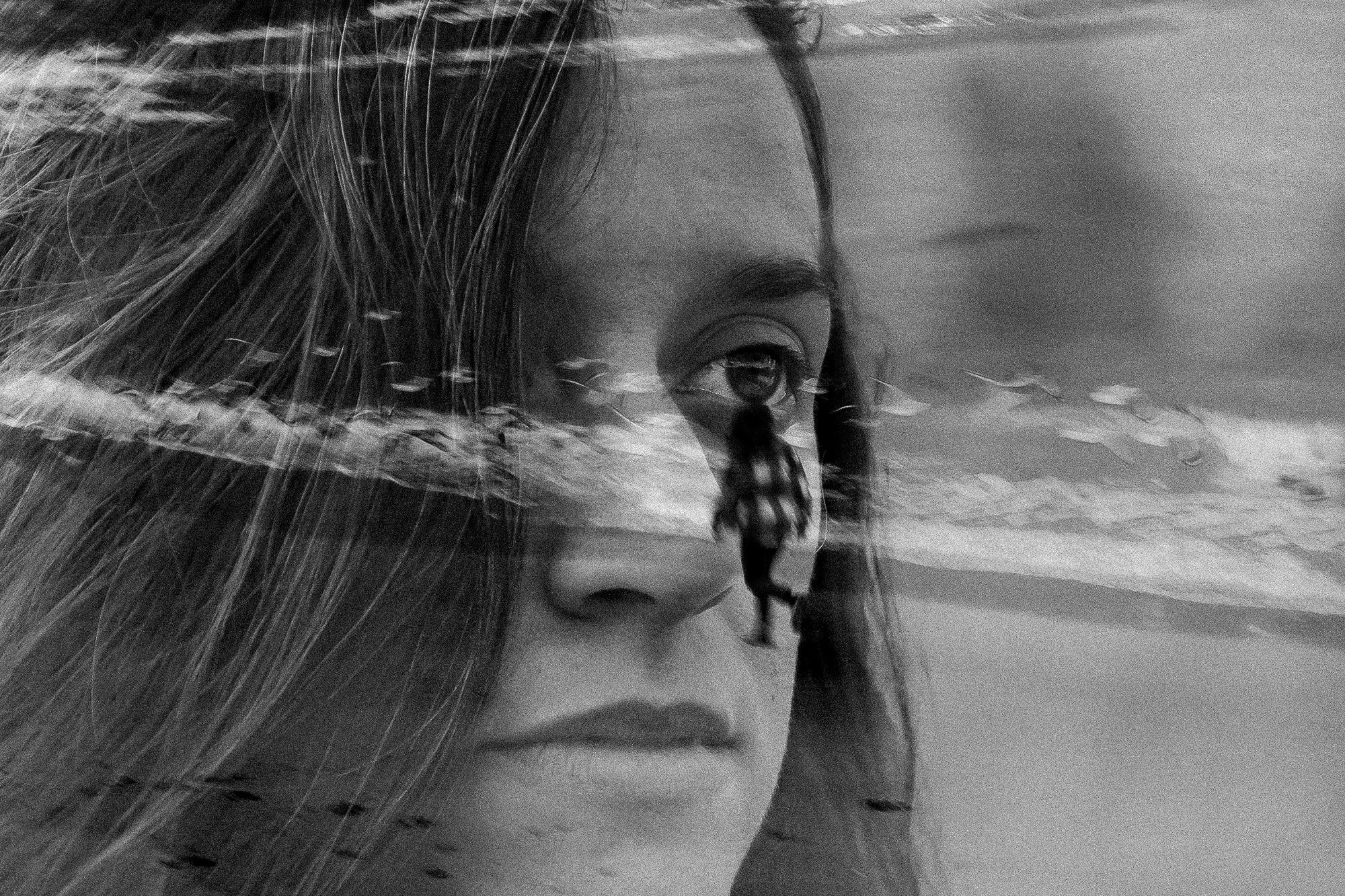
“Il n’y a plus de saisons.” (1)
As a child, I remember my grandmother saying this phrase while, like each of our family visits, we were walking around her vegetable garden to observe the carrots and cabbages emerging from the soil. This expression, used by our seniors in the French countryside, highlights abnormal weather in a specific season.
Nowadays, these words now considered old-fashioned in the eyes of young people for their outdated generality, nevertheless take on their full meaning. Beyond the ready-made phrase, there is in fact the idea that the very cycle of the seasons has been damaged and with it, what we call our Home.
In his essay “Ce mal du pays sans exil » (2), the French philosopher Baptiste Morizot believes that, through the disruption of the seasons, it is the link to our entire home that is disrupted. The latter, this environment that we have made our, the landscapes, the mineral world that surrounds us on a daily basis was until then considered unalterable and predictable.
With heatwaves, floods, droughts, fires or the collapse of biodiversity, the homes in which we live are modified and their habitability is altered. In the past, the life of a human being was ephemeral in an indestructible nature with ordered seasons. Today, on the contrary, humans now appear more stable than their environment.
Most of the last scientific projections consider that a significant number of ecosystems across the world are likely to collapse or transform before the end of the century due to land destruction, population growth and climate change. But a recent study (3) estimates that worldwide, 20% of ecosystems could collapse or transform much sooner than expected.
Based on the findings, one of the authors, Professor Simon Willcock, particularly points out the Amazon rainforest explaining that it is on the verge of a catastrophic breakdown within a human lifetime. “We could realistically be the last generation to see the Amazon”, he said. If the Amazon Forest morphs into arid savannah as he suggests, it will inevitably have an impact on many other ecosystems.
Thus, with this kind of collapse or transformation, the weave made up of environment’s natural actors — plants, animals, insects, bacteria, fungi — would disappear from the planet much faster than the entire life of a human being.
The destruction of our homes also means the disappearance of the singular relationship that binds us nature and humans. Facing this degradation of one’s home, of one’s everyday natural environment, certain persons can develop a feeling of distress or desolation. Reactions can be many: anxiety, powerlessness, denial, anger, sadness, guilt, etc. This state of angst has a name: solastalgia.
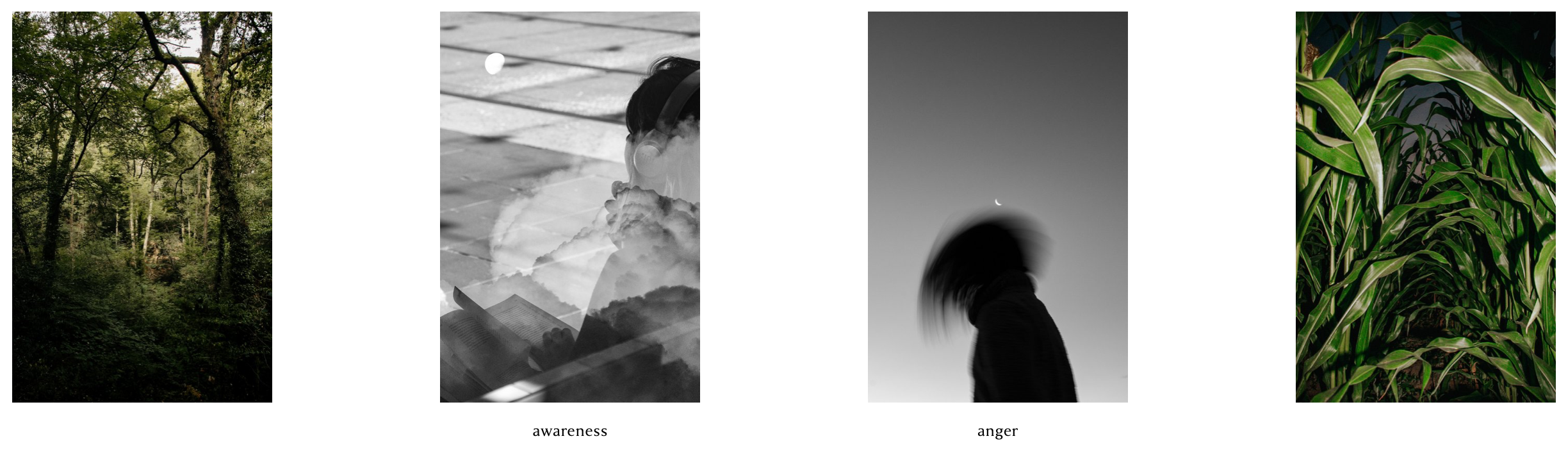
Excerpt from my series Solastalgia visible in the Projects tab
Coined in 2003 by the Australian philosopher Glenn Albrecht (4), the solastalgia is a neologism developed from the English word “solace” derived from the Latin “solacium” with meanings connected to the relief of distress and the suffix “algia” borrowed from “nostalgia” translating as “pain”. In his book, Glenn Albrecht explains that he had first-hand experience of the destruction of his familiar environment due to open-cast coal mining in the Upper Hunter region, New South Wales, Australia, where he lived before. Likewise, rural residents and First Nation people were affected by the hideous transformation of landscapes to which they attached a deep emotional connection.
His account is far from being an isolated story. All over the world, industries and governments are destroying homes, as it was the case in Japan with the Fukushima nuclear accident or in Brazil with the failure of the Brumadinho dam, without forgetting the ravages of colonization on the lands of native population.
In her last book (5), Alices Desbiolles, Public Health Doctor and specialist of Environmental Health, describes solastalgia as the expression of the link existing between the distress of ecosystems and the psychological distress, when the first leads to the second. She explains that solastalgia affects individuals who are aware that “there is no planet B”, to use a famous slogan of climate activists. This absence of alternative can develop moral suffering in the individuals similar to the pain felt when leaving the home we love.
The researchers Hedda Haugen Askland and Matthew Bunn (6) also specify that solastalgia is “the loss of means not only of making connections with the past, but also of imagining the future.”
Baptiste Morizot expresses as “homesickness but at home” (7) the feeling of loss and wandering of exiles but while being at home. In a way, it is the nostalgia of a home that is still very present but which seems to disappear beneath our feet without having left it.
Thus, Solastalgia is not just a nostalgia for the past. It is also an existential anxiety in the face of the deterioration and the irreversible destruction of our immediate environment with consequences for the individual in the present and the future.
Therefore, we can ask ourselves the question of how to live in this damaged world. How can we give meaning and form to our distress when our world is disappearing before our eyes?
Just like the loss of a loved one, solastalgia triggers many emotions in the individual. From denial, it can go through the stage of anger, powerlessness or sadness for example. These are, in a way, the same stages of mourning that a person can experience before learning and accepting to live with the loss of their loved one.
Accepting the metamorphoses of the world, no matter how hurtful it is.
Accepting that the world is changing to be able to act against the disastrous fate reserved to our planet and build a new comforting home.
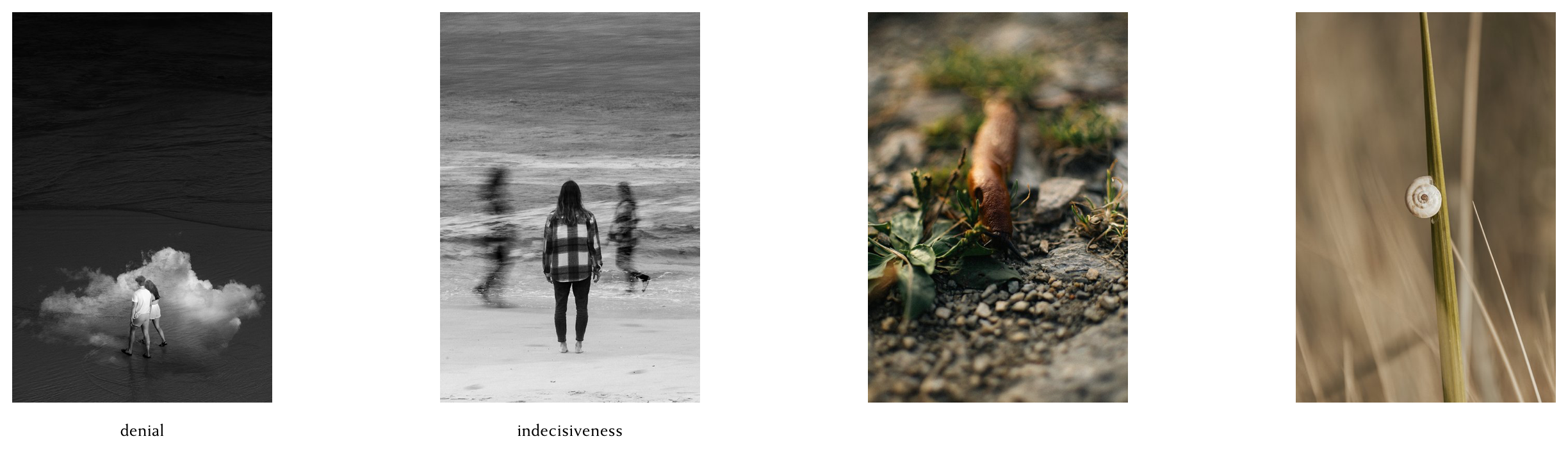
Excerpt from my series Solastalgia visible in the Projects tab
My series Solastalgia is visible here (Projects / Solastalgia).
(1) Literally translated as: “There are no seasons anymore.”
(2) (7) Morizot B., Ce mal du pays sans exil. Les affects du mauvais temps qui vient, Revue Critique, 2019
(3) Willcock S., Cooper G.S., Addy J. et al. Earlier collapse of Anthropocene ecosystems driven by multiple faster and noisier drivers. Nature Sustainability 6, 1331–1342 (2023).
(4) Albrecht G., Earth Emotions: New Words for a new World, Cornell University Press, 2019
(5) Desbiolles A., L’éco-anxiété : vivre sereinement dans un monde abîmé, Éditions Fayard, 2020
(6) Askland H.H. et Bunn M. Lived experiences of environmental change: Solastalgia, power and place. Emotion, Space and Society, 2018