
Landscape sampling of a changing countryside
FROM WEST TO WEST
Côtes d’Armor
Calvados
Landes
Maine-et-Loire
During the winter of 2022, I travelled the roads of western France in my camper van. Equipped with only a single 50mm lens, I wanted to get away from the cities in order to photograph rural areas.
I have an ambivalent relationship with the countryside. I grew up there, as did my parents and previous generations. My maternal grandparents owned a small farm in Mayenne, the kind that used to exist. A few animals, a few crops, and a network of solidarity among farmers allowed them to live modestly in the heart of a region where agriculture was the main activity. Land consolidation and the rise of agribusiness, combined with the profound changes in our lifestyles over the last fifty years, have gradually driven out this way of inhabiting the world*. The countryside of my grandparents seems to have vanished.
My family history thus introduced me to this disappearing rural way of life. However, the countryside of my elders bore no resemblance to the one where I spent my childhood and adolescence. Located not far from a small town, revitalized by its proximity to and rail connection with a medium-sized city, I was able to enjoy all the positive aspects of urban life. The surrounding fields and woods served more as scenery than as a way of life. In an era marked by suburbanization, living in the countryside seemed synonymous with living in the past.
…
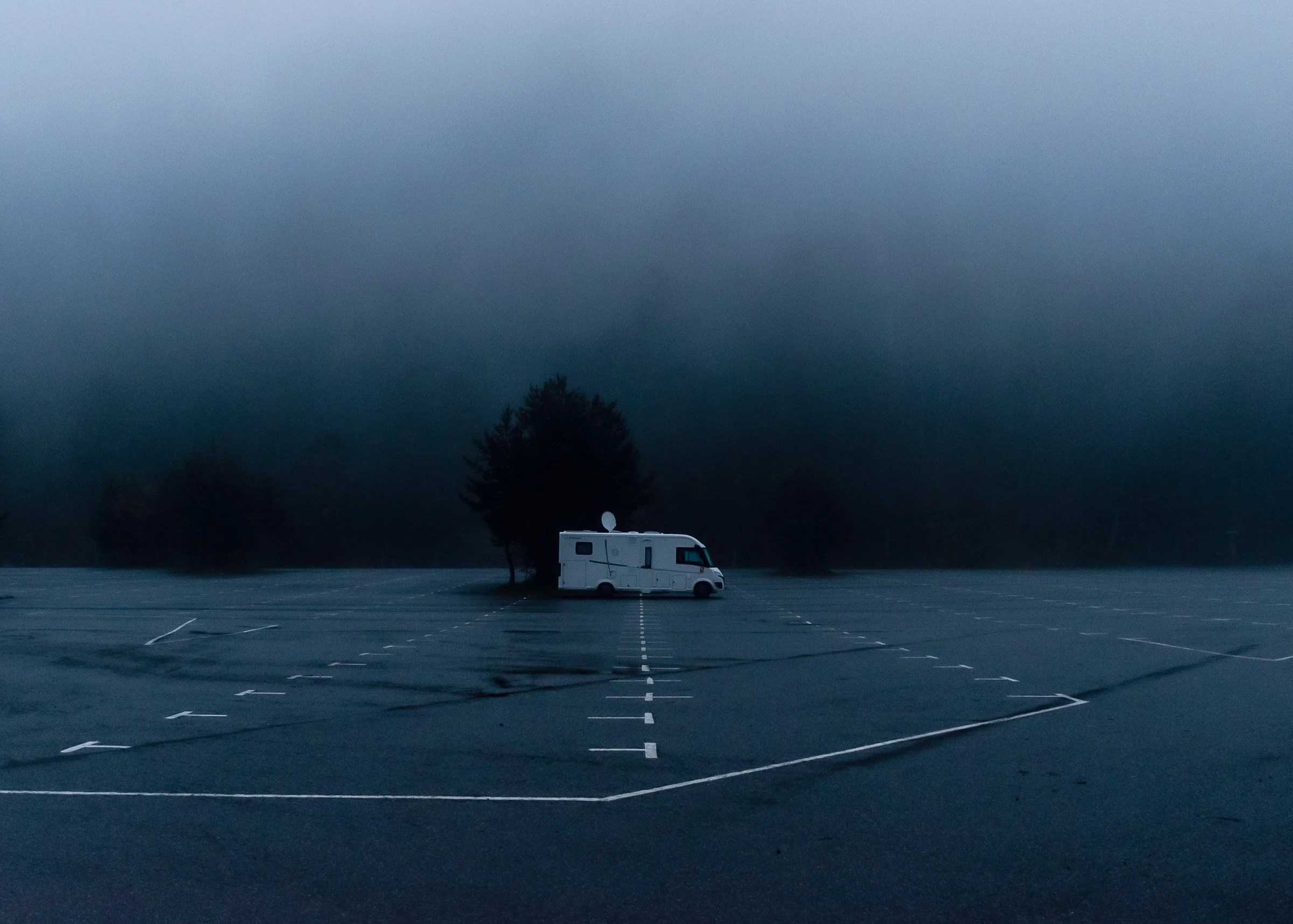
Hautes-Pyrénées
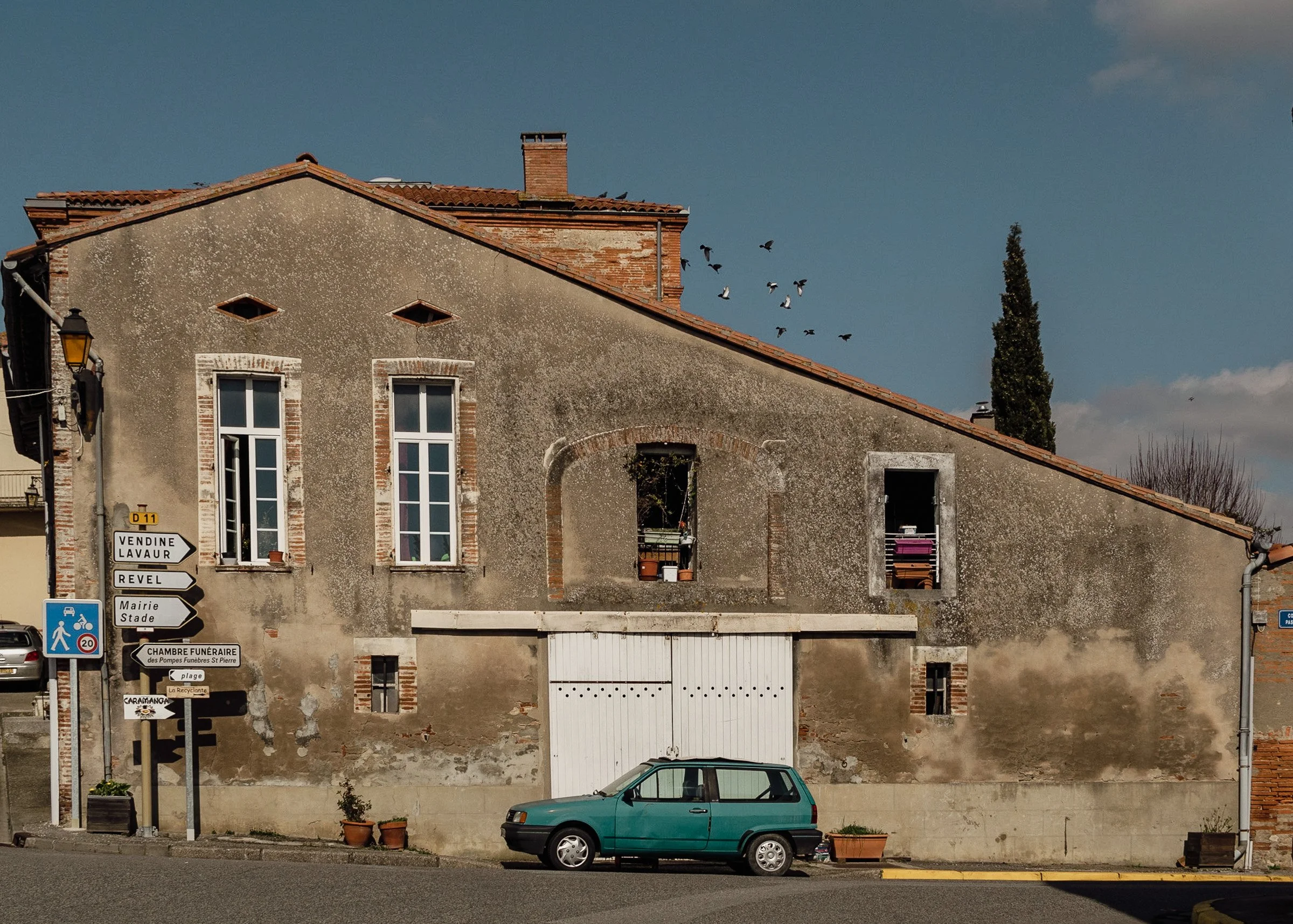
Haute-Garonne
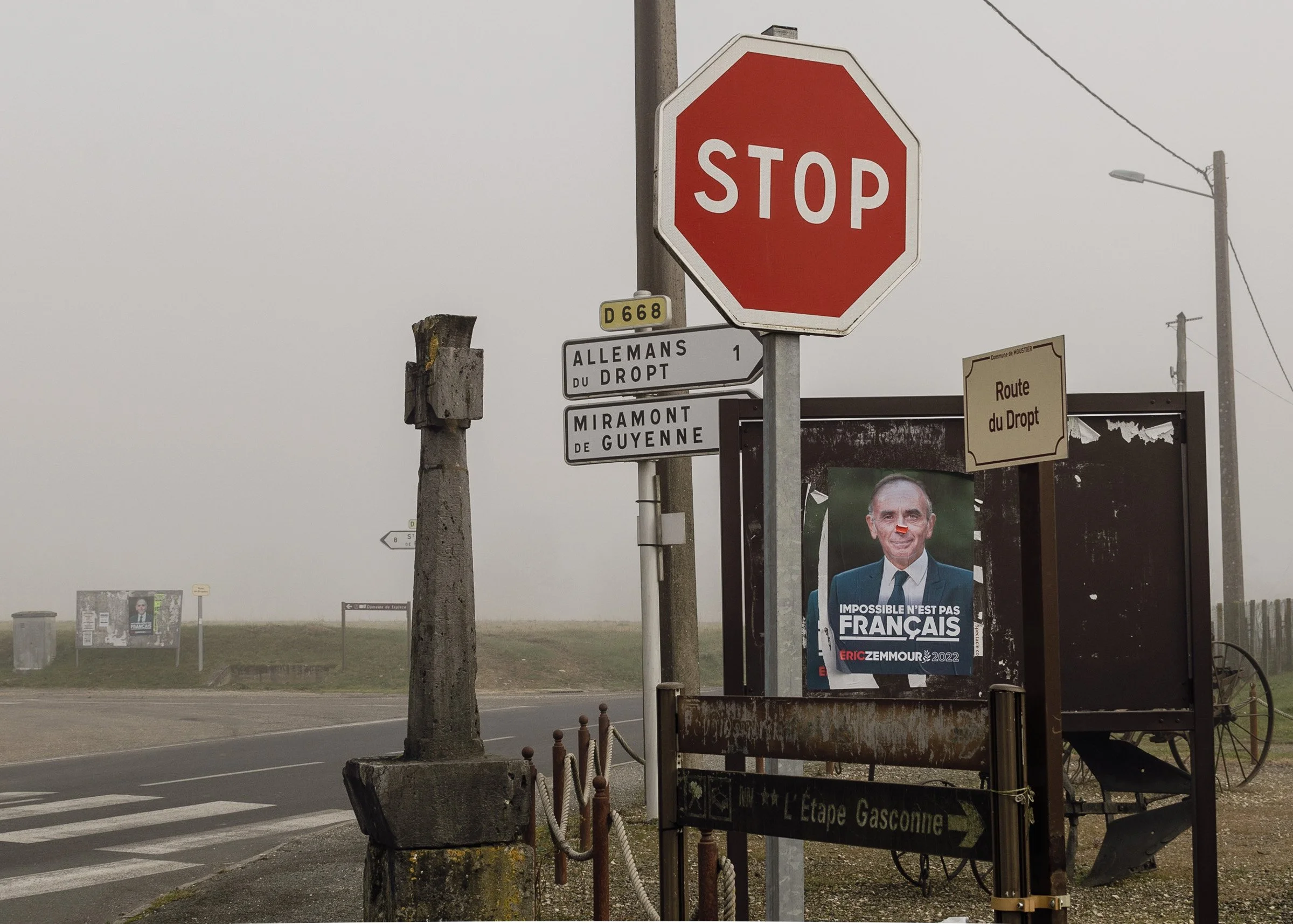
Lot-et-Garonne
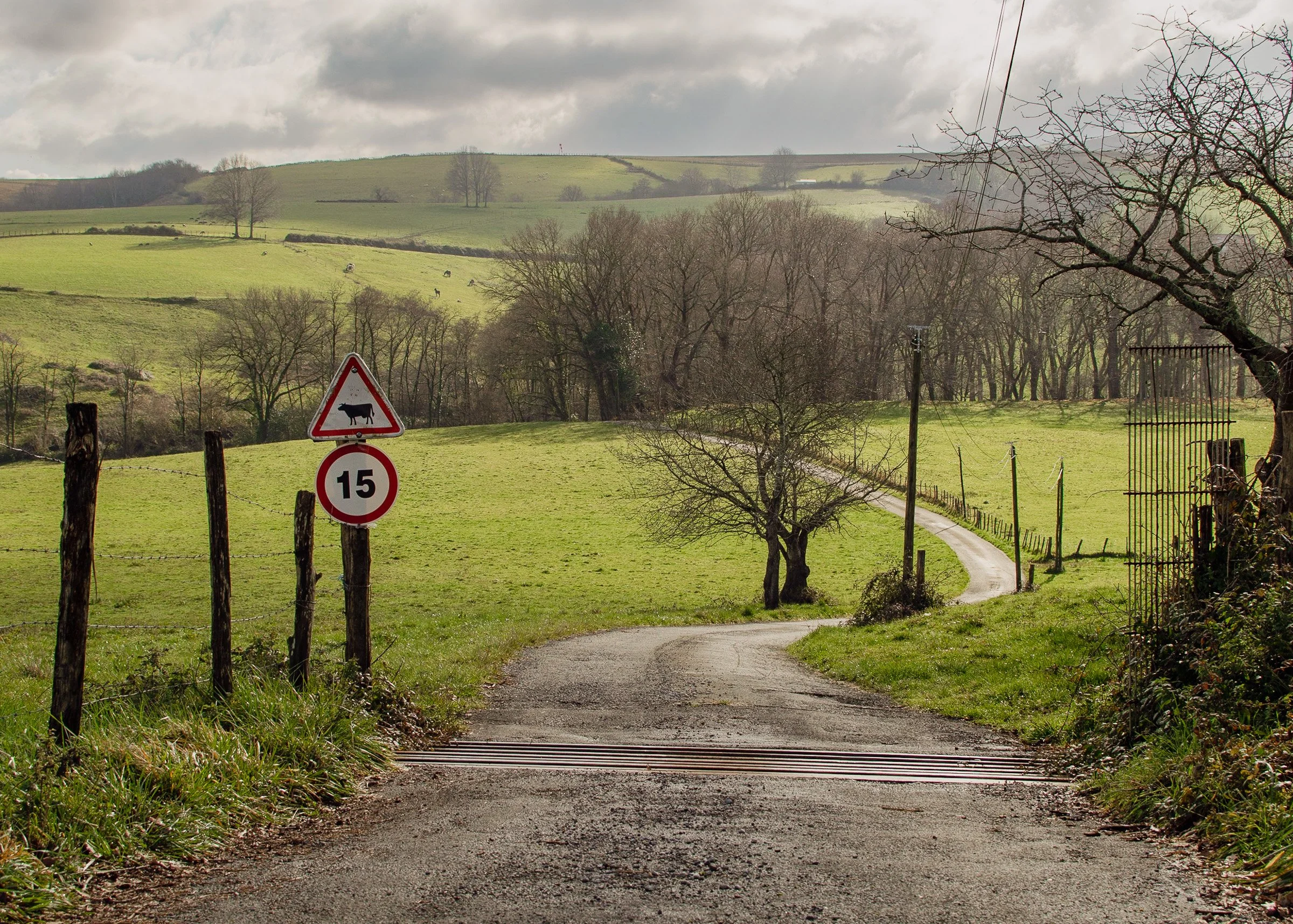
Pyrénées-Atlantiques
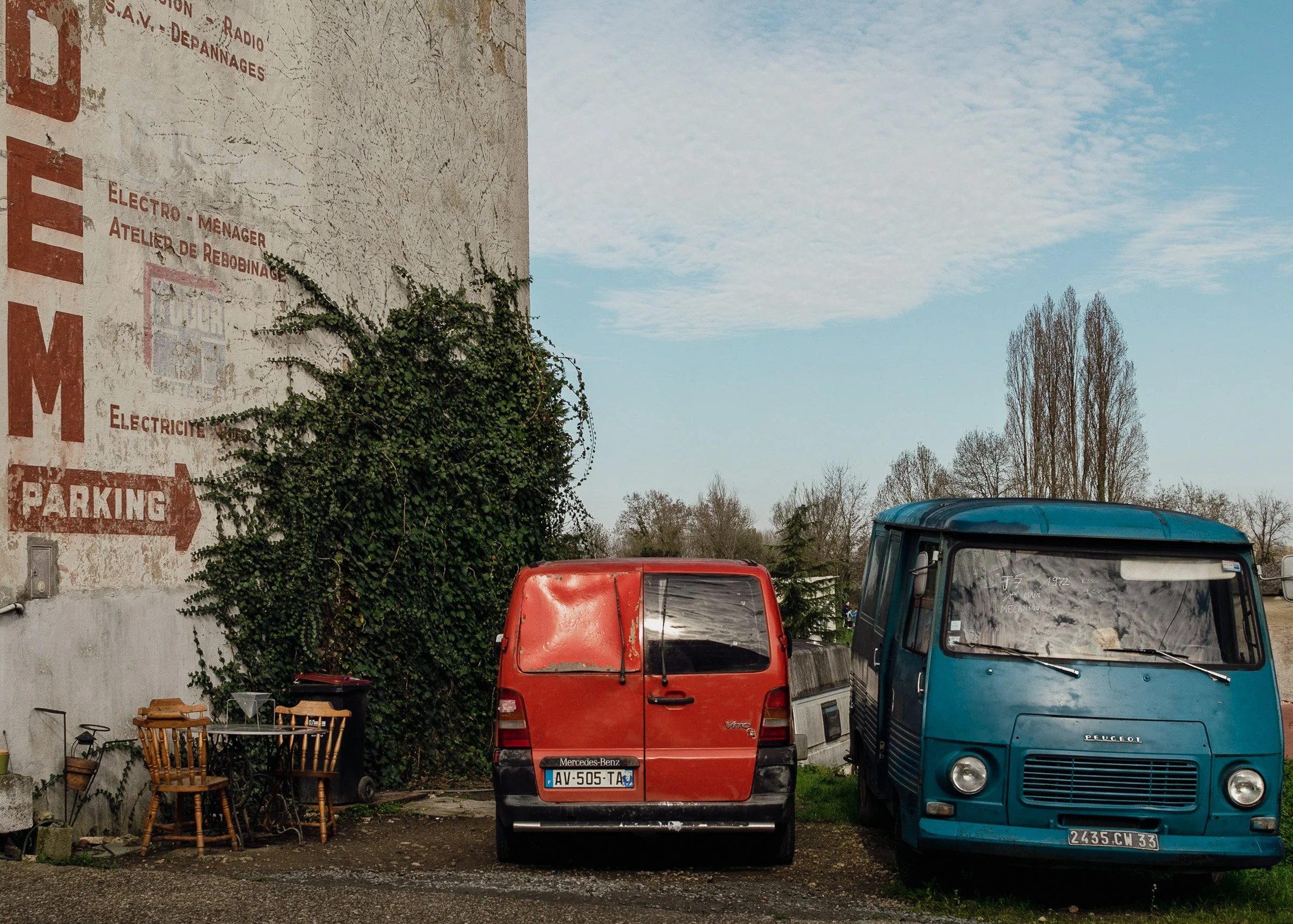
Gironde
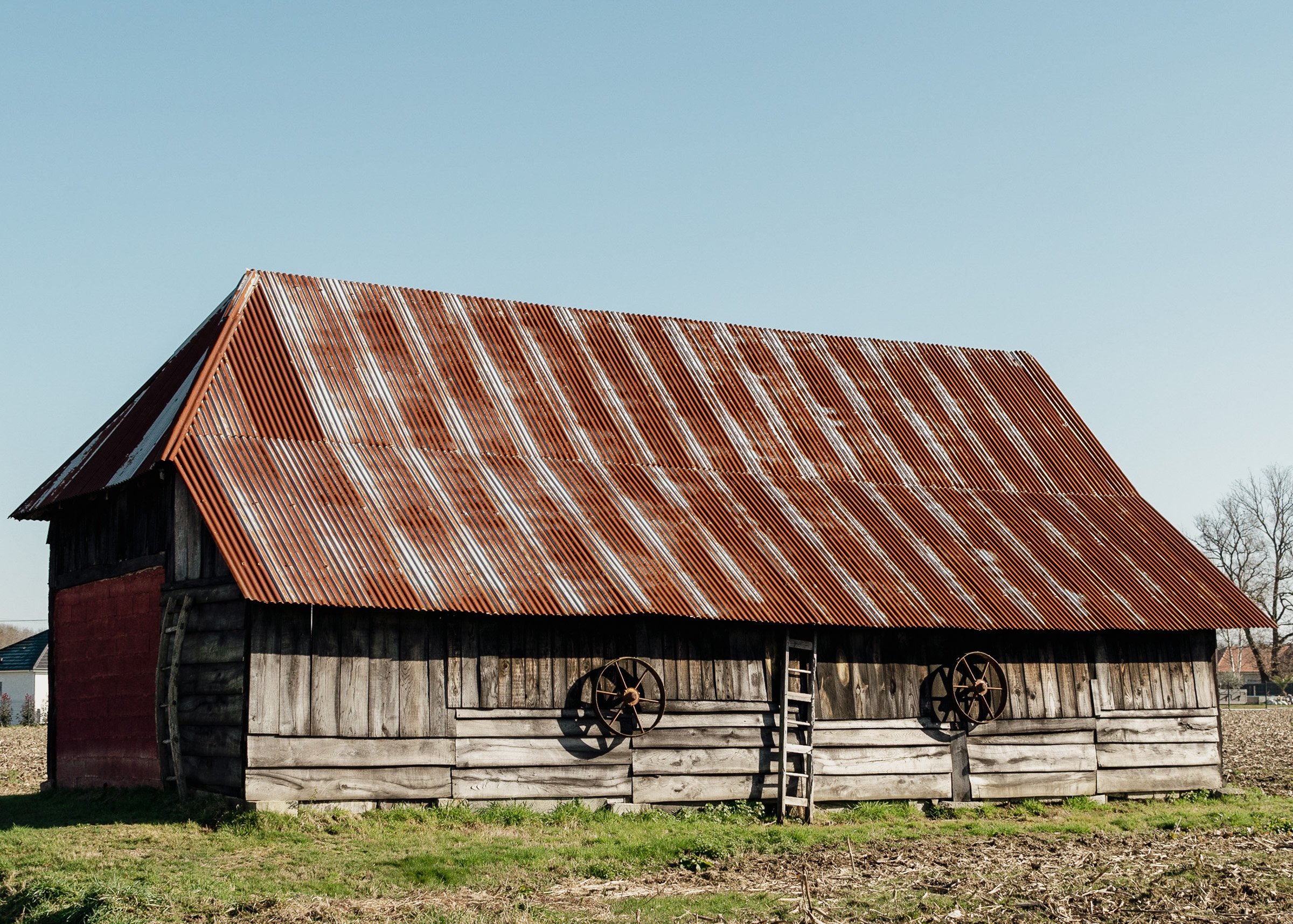
Gers
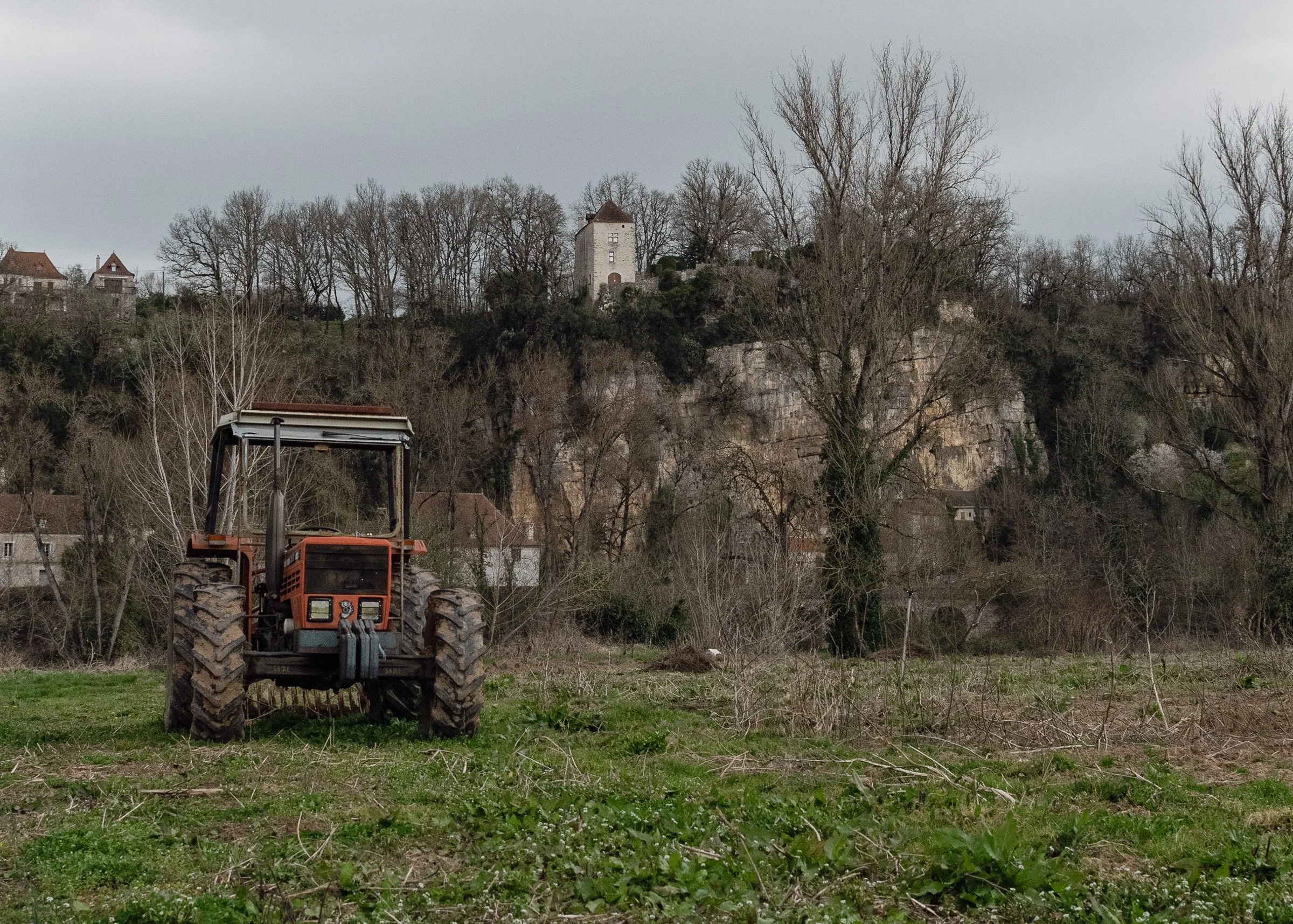
Lot
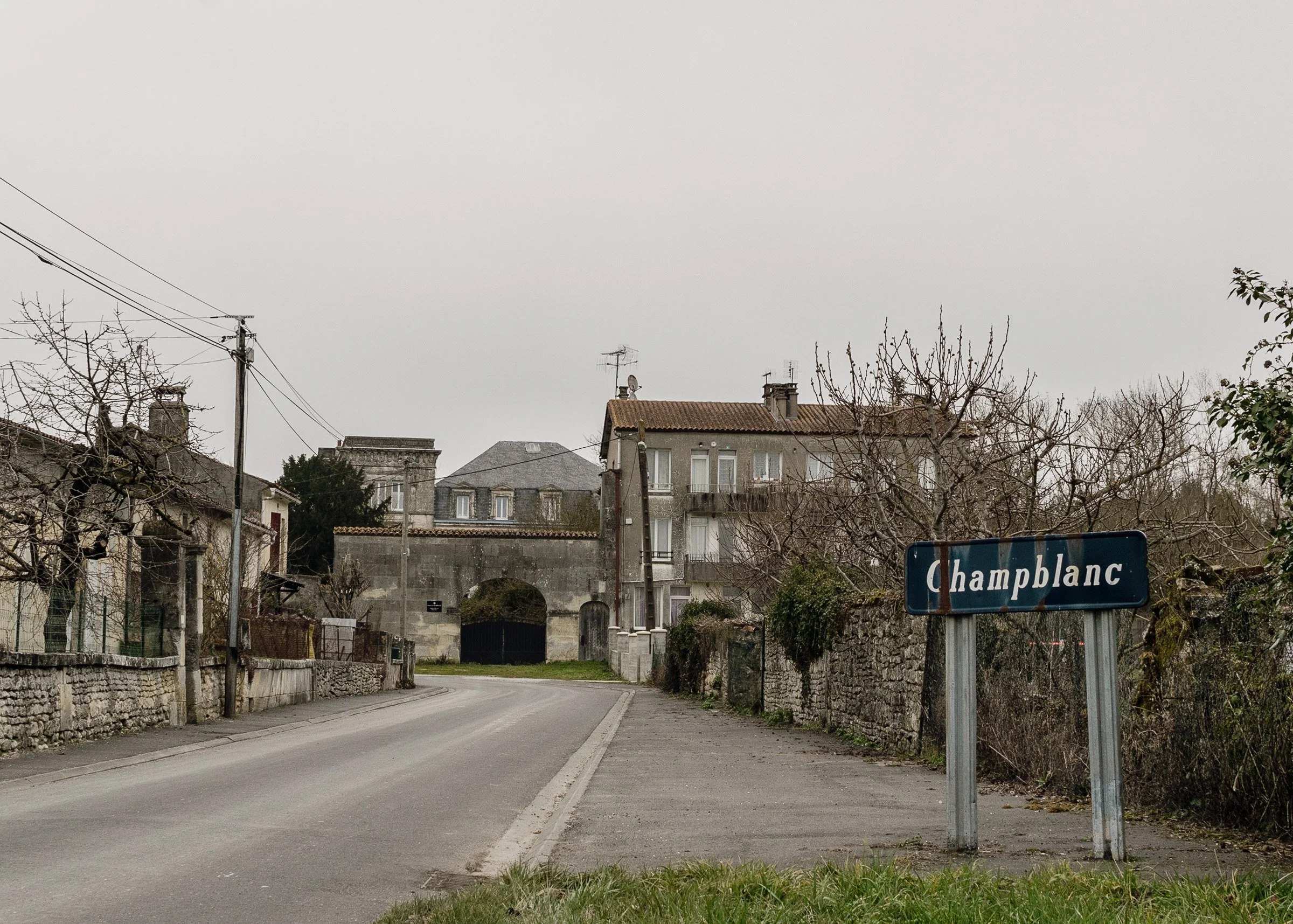
Charente
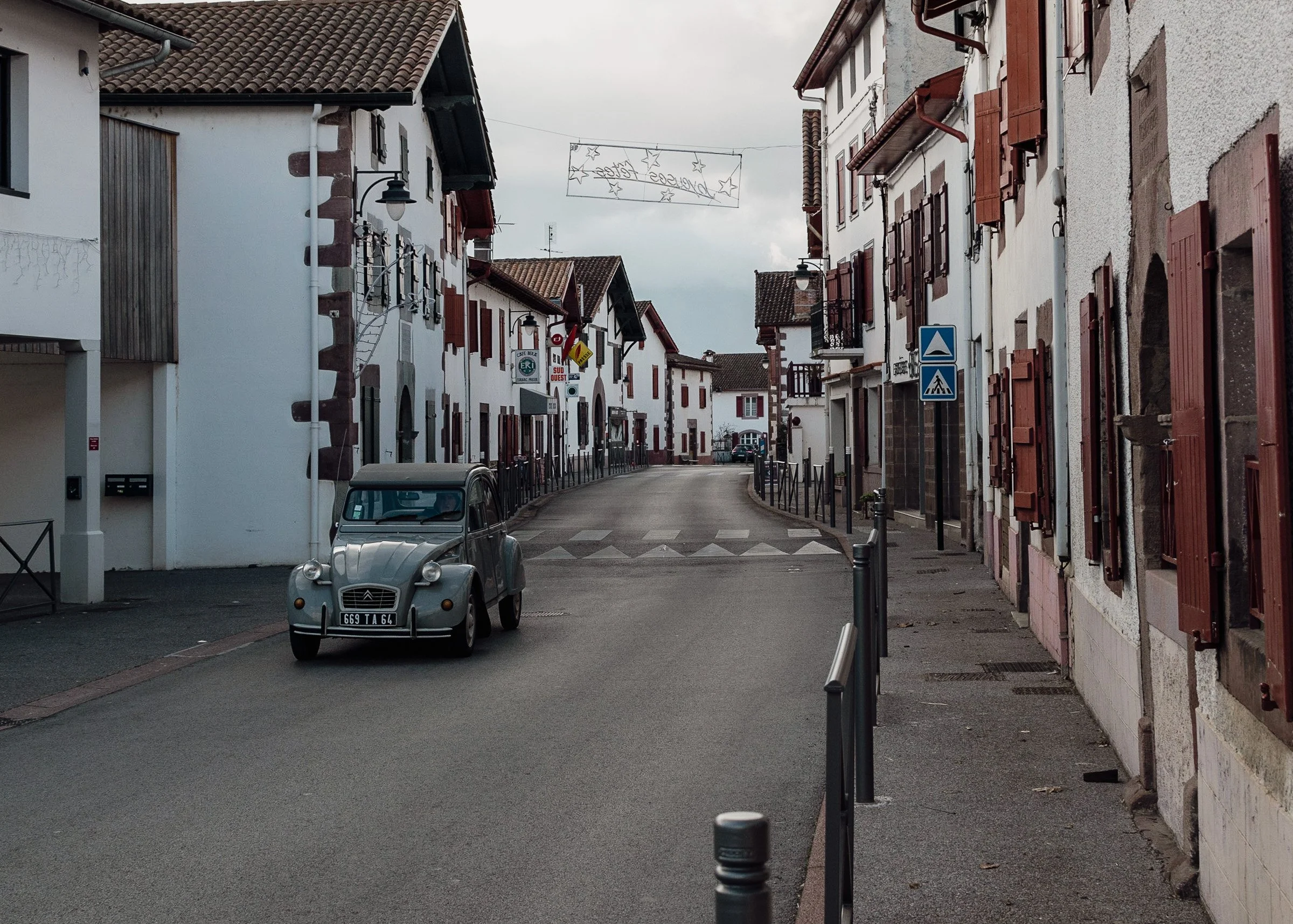
Pyrénées-Atlantiques
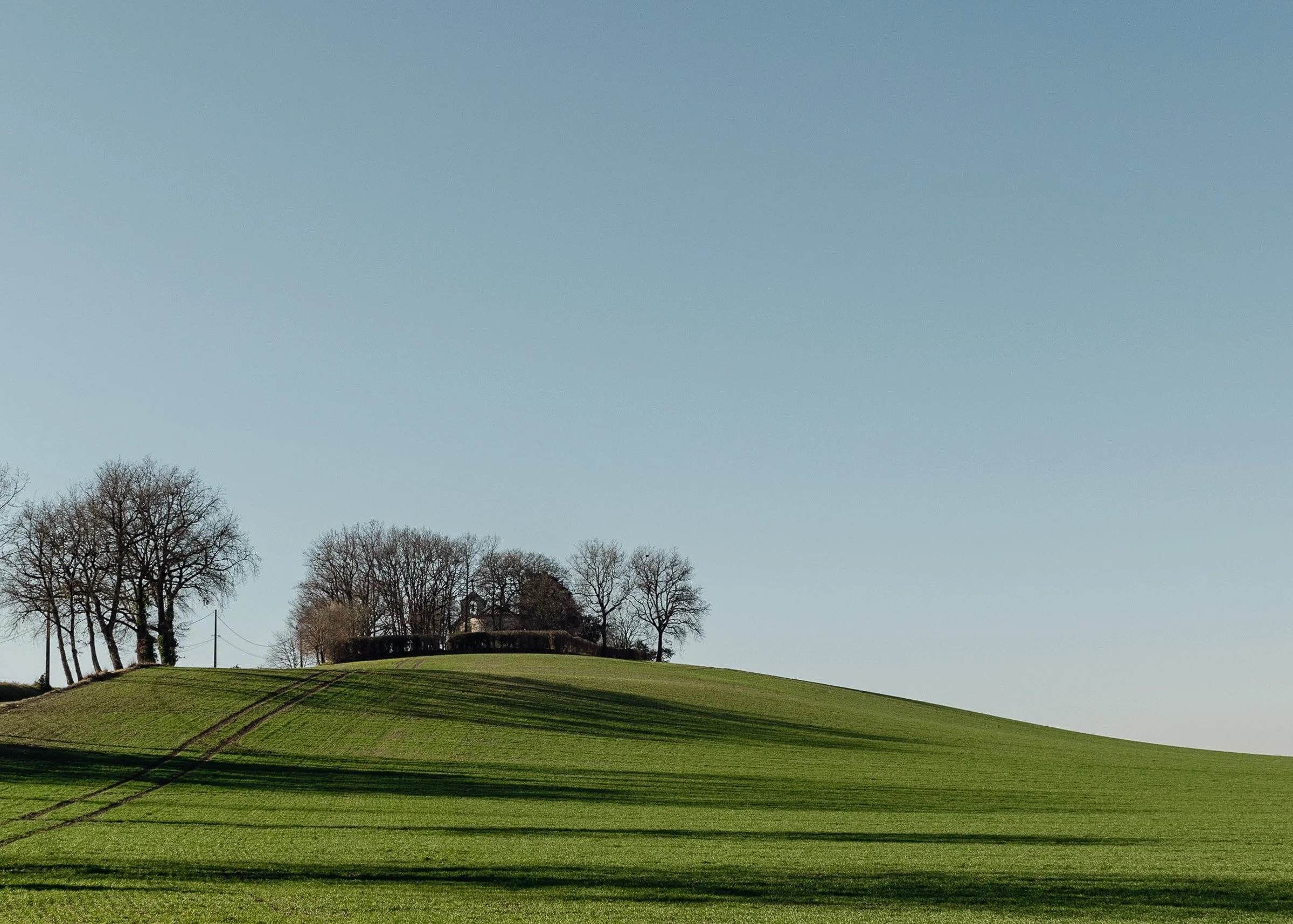
Dordogne
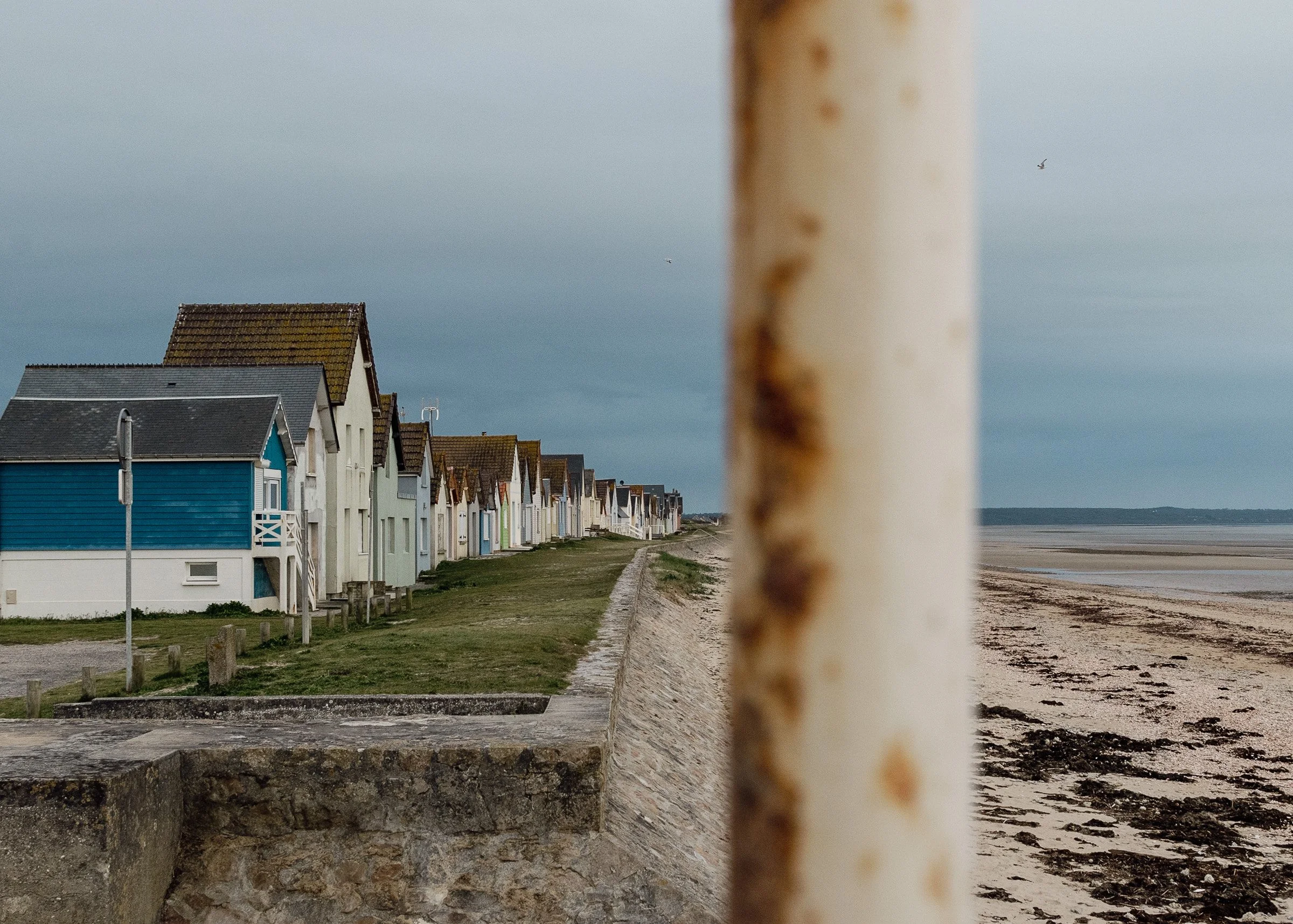
Manche
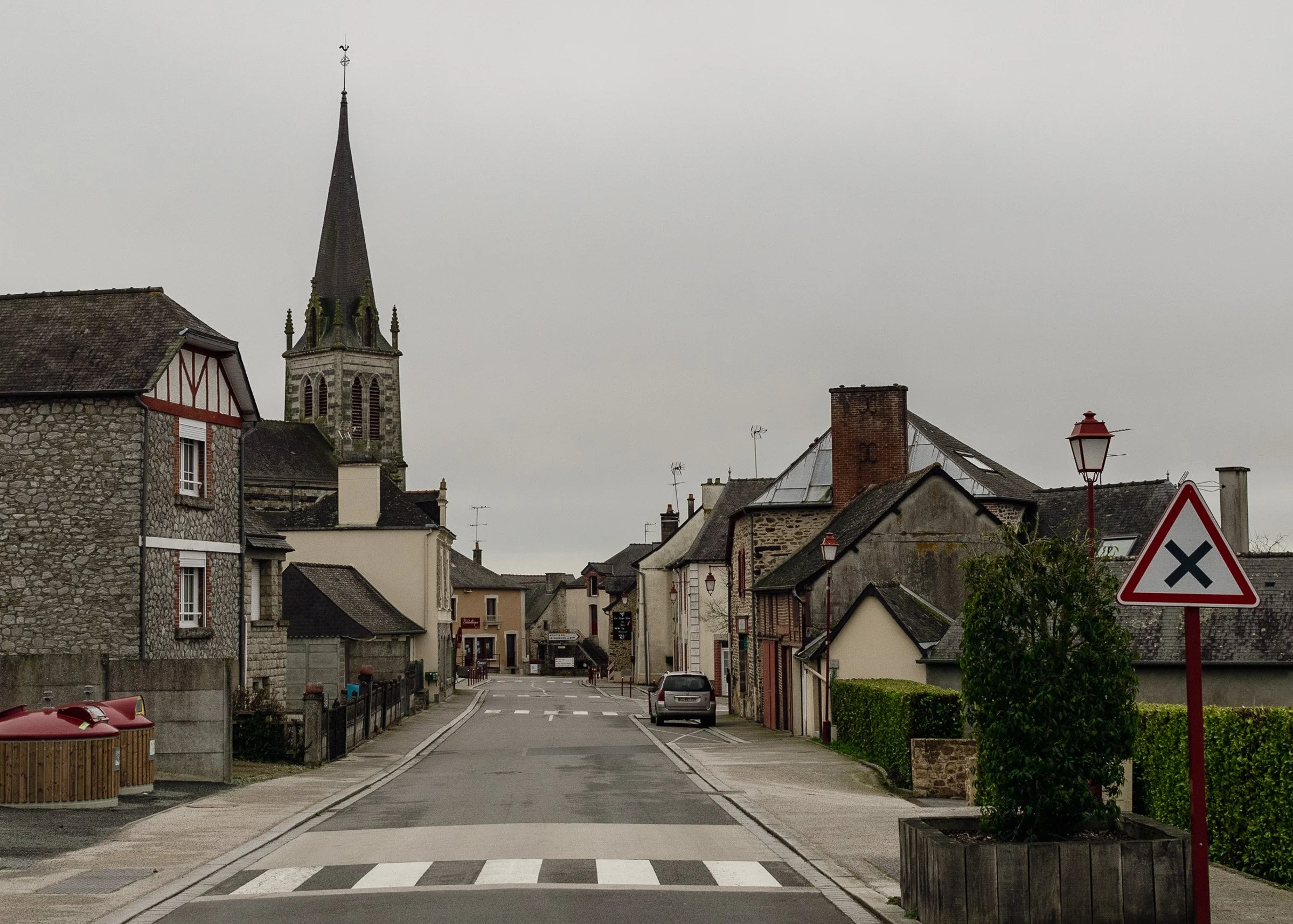
Mayenne
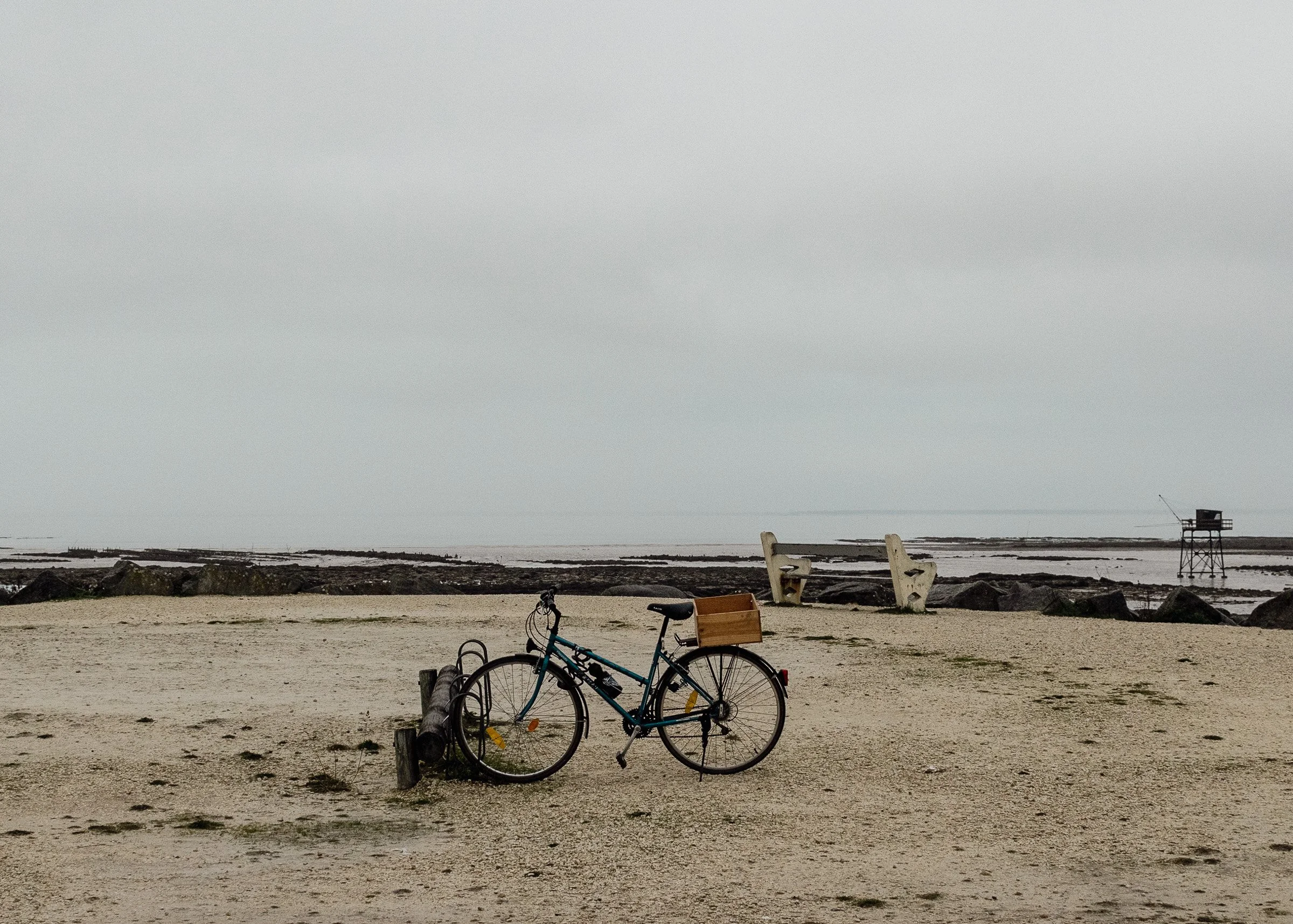
Charente-Maritime

Morbihan
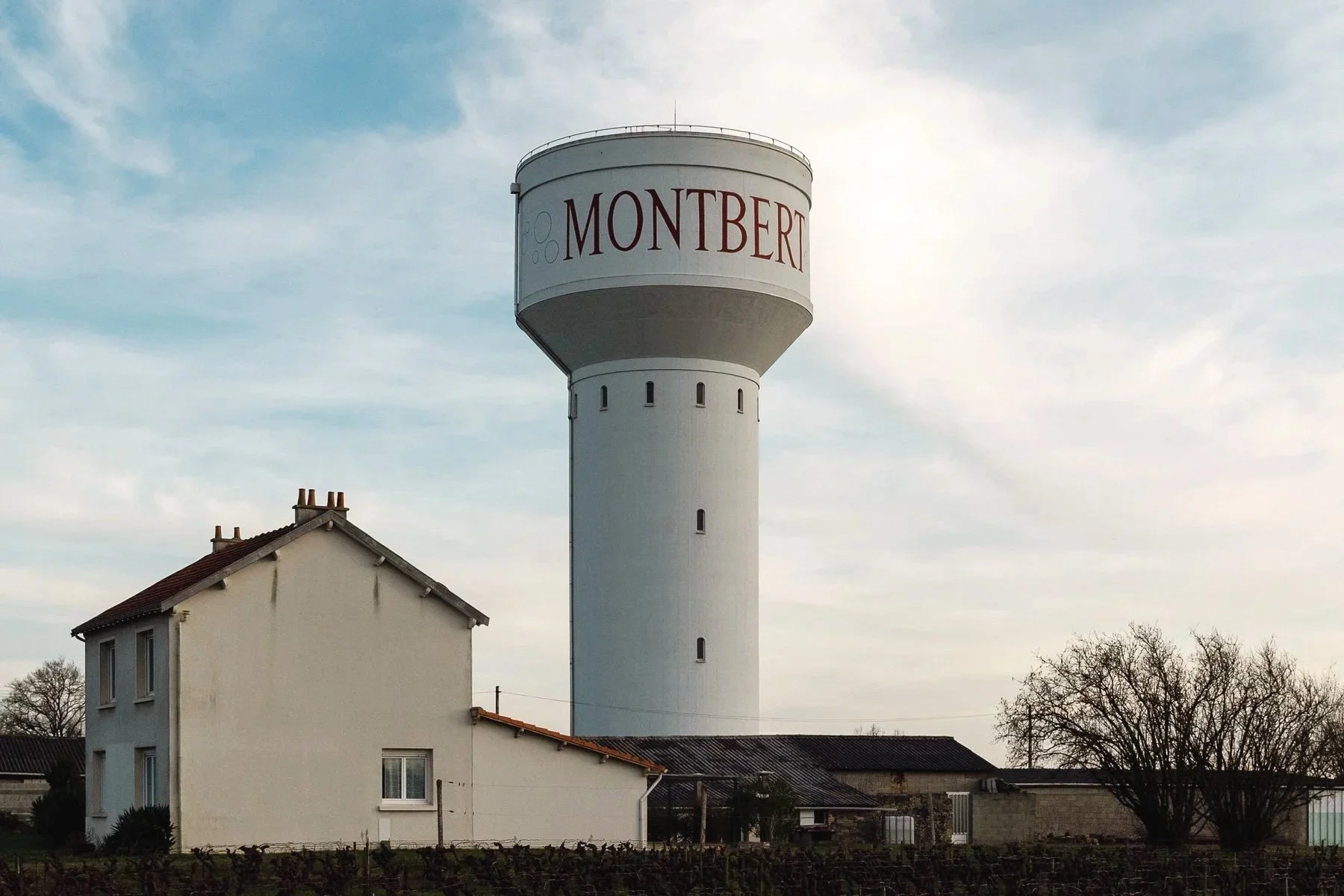
Loire-Atlantique
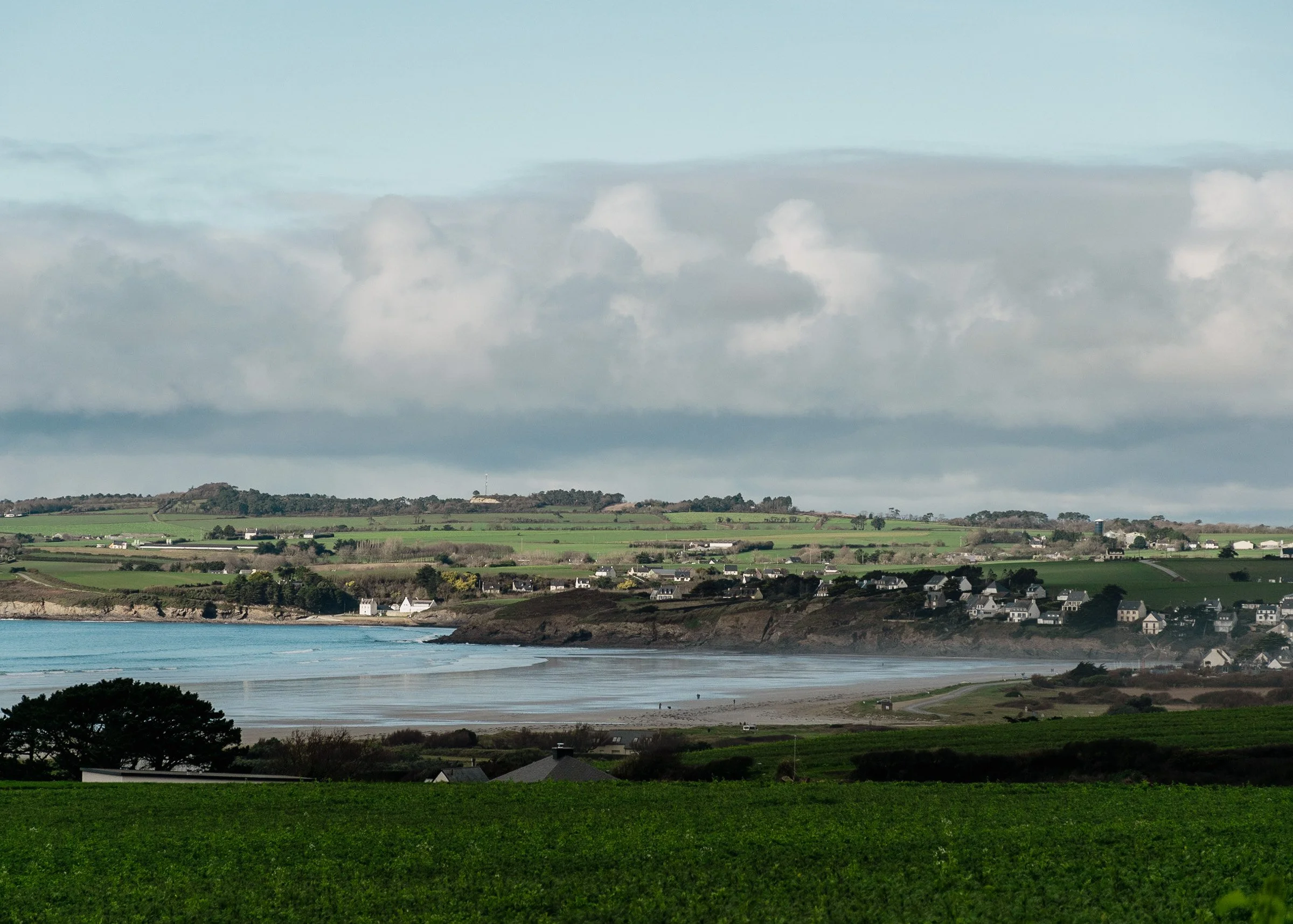
Finistère
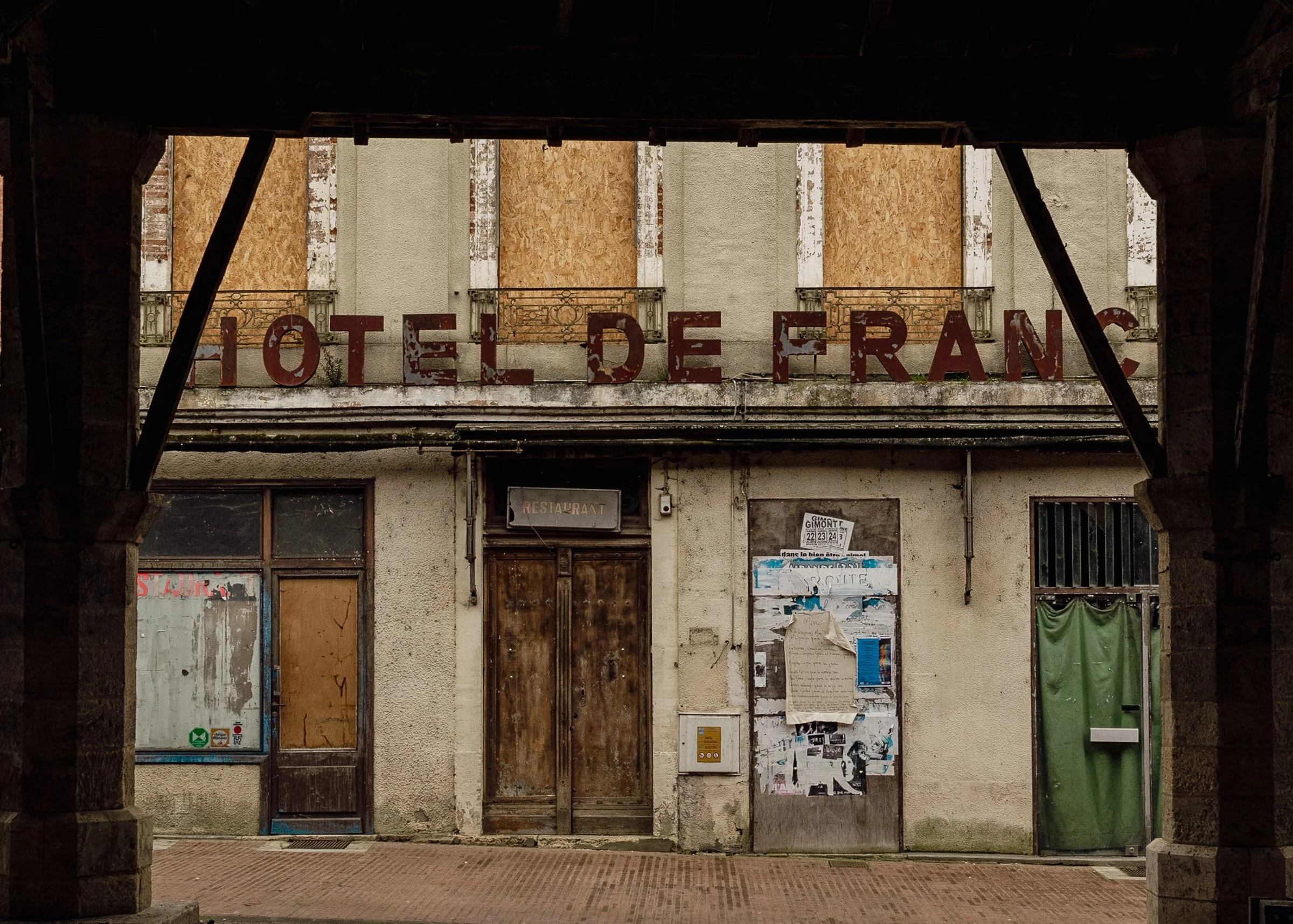
Tarn-et-Garonne
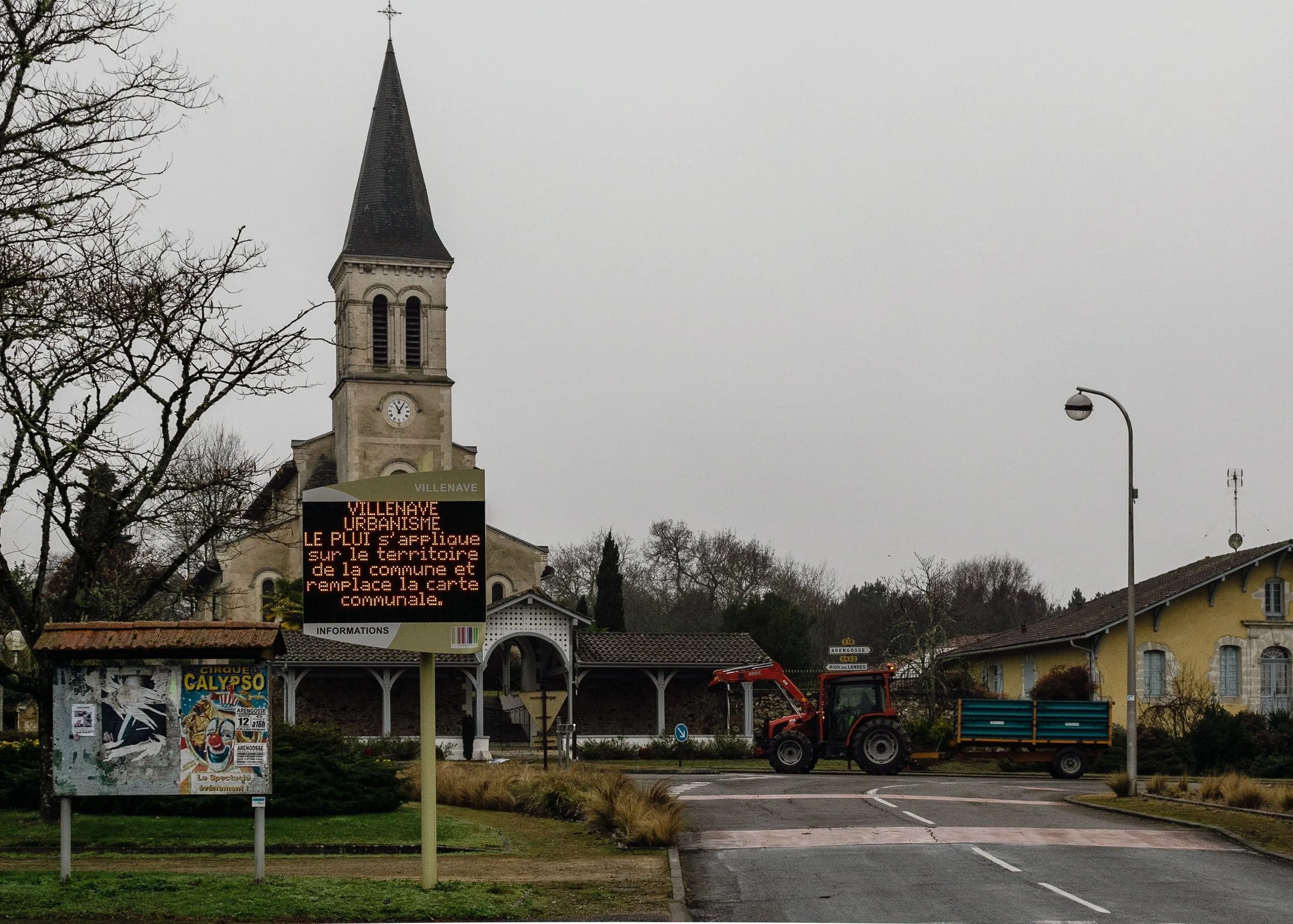
Landes
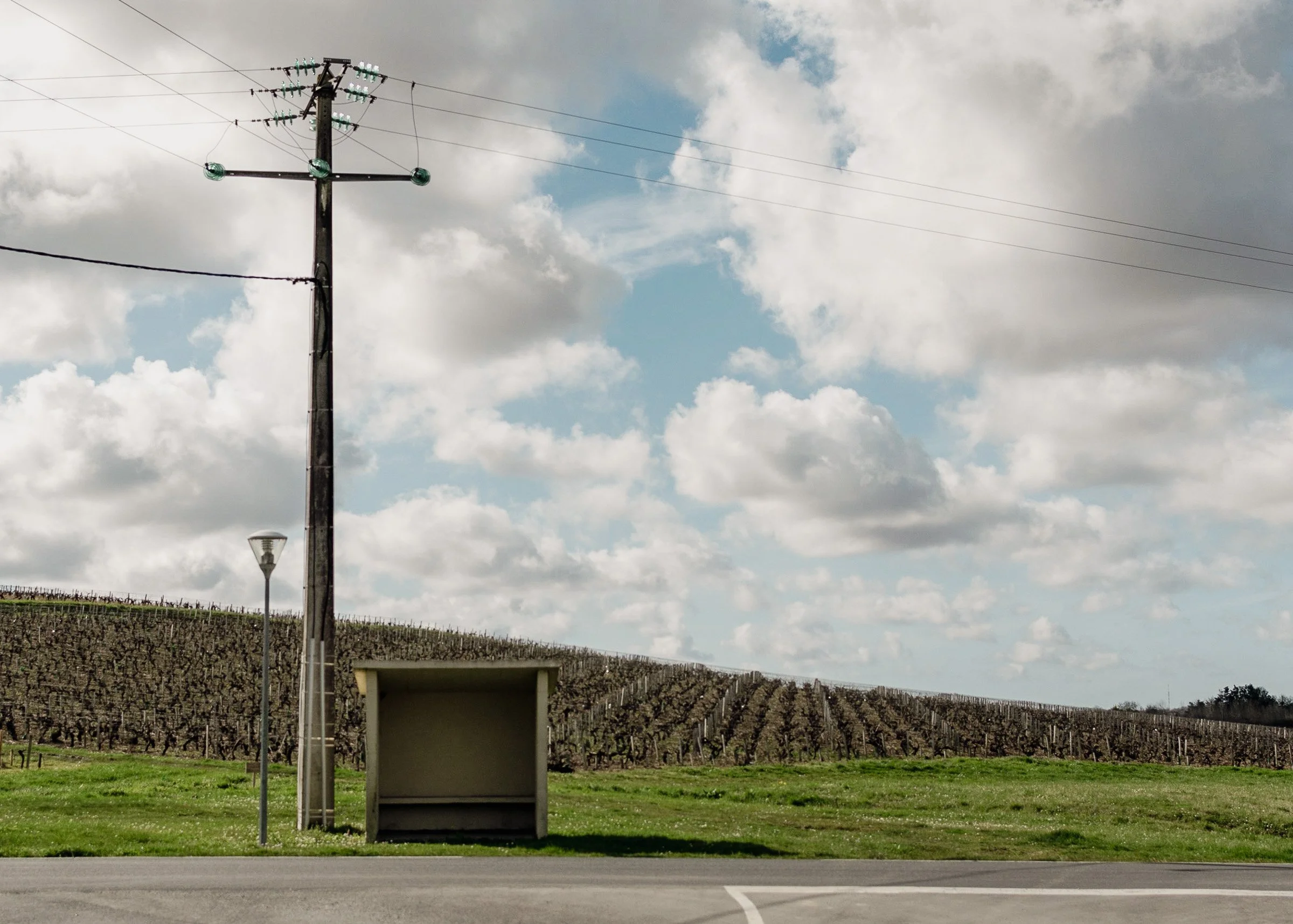
Gironde
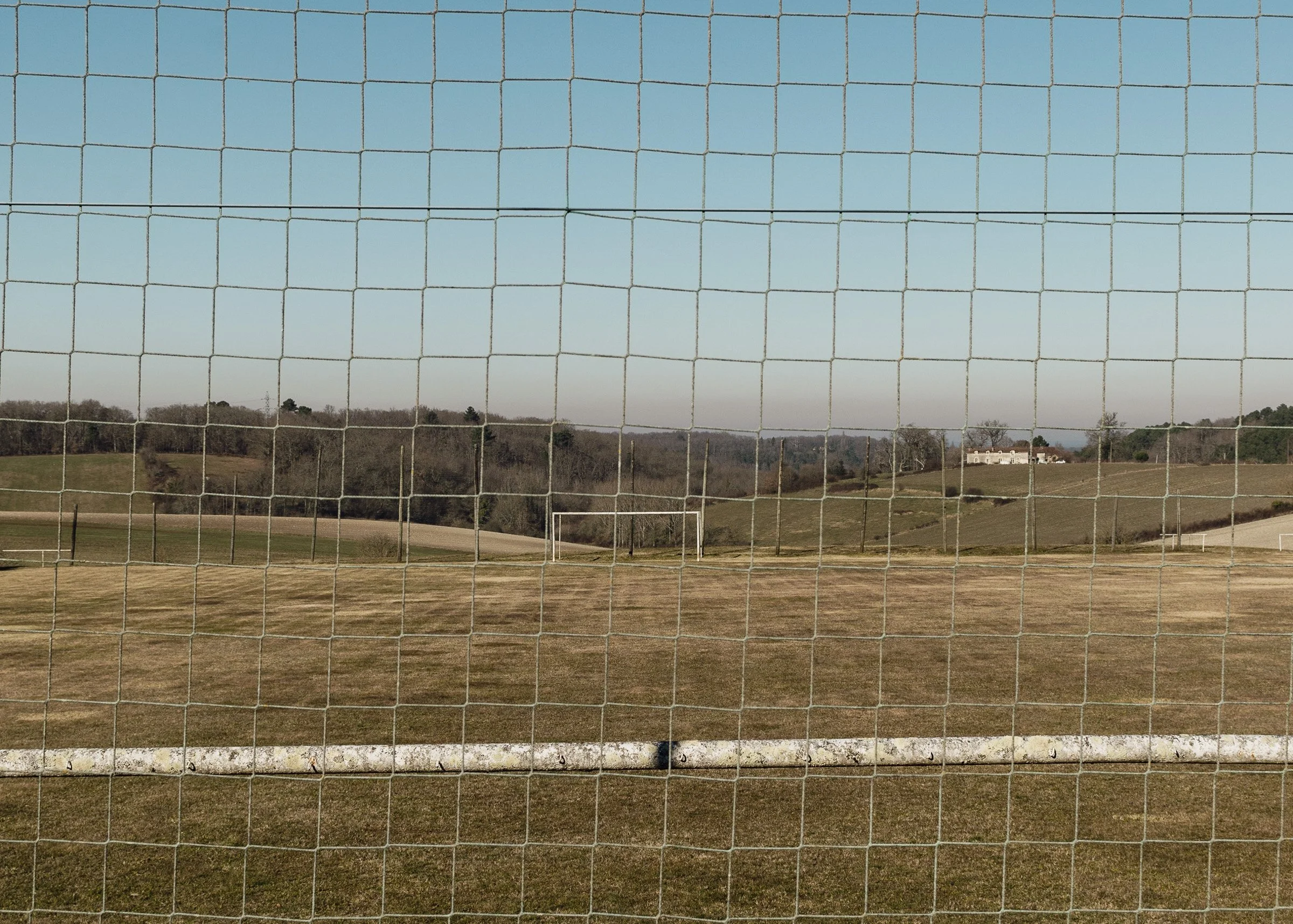
Deux-Sèvres
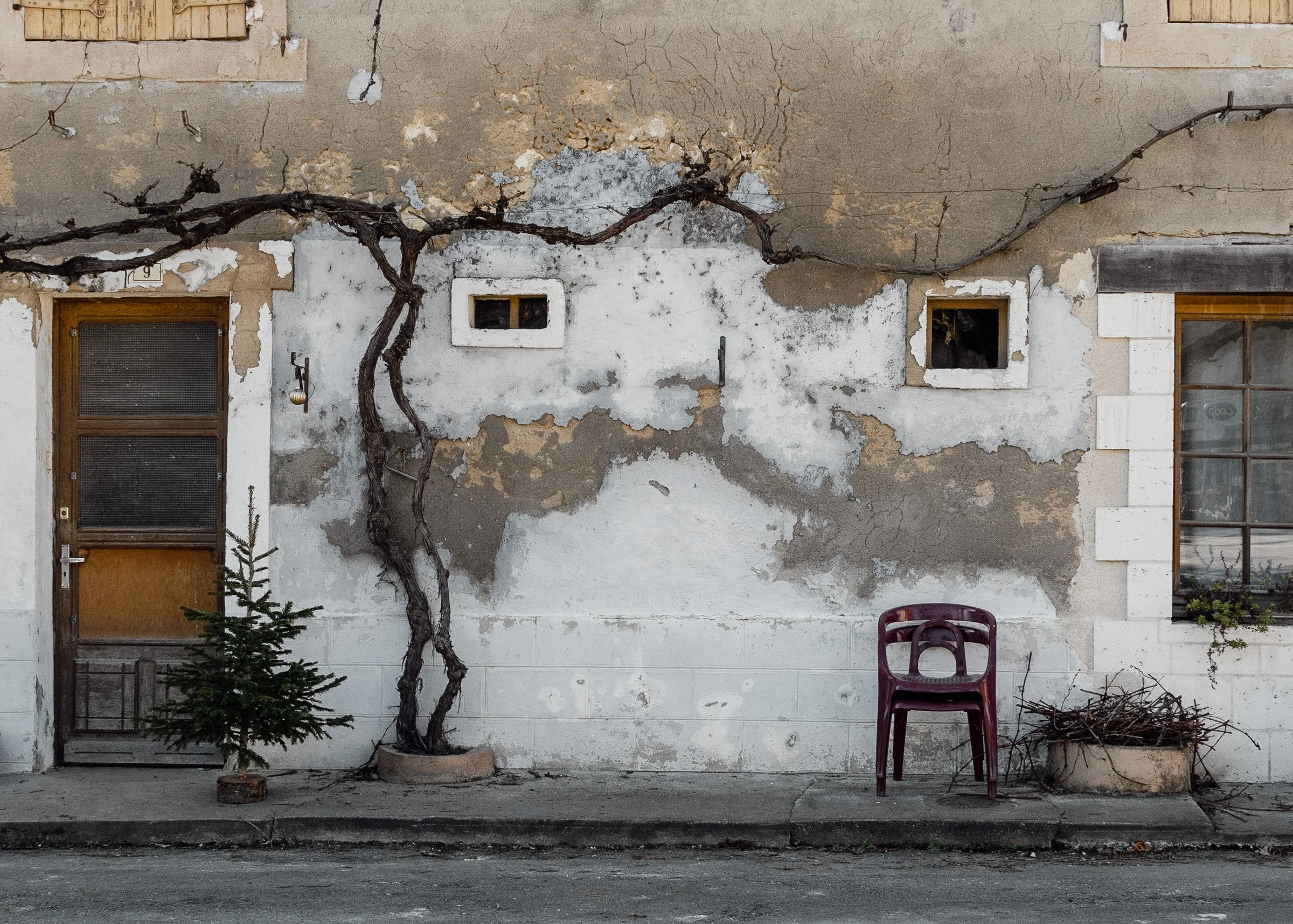
Charente-Maritime
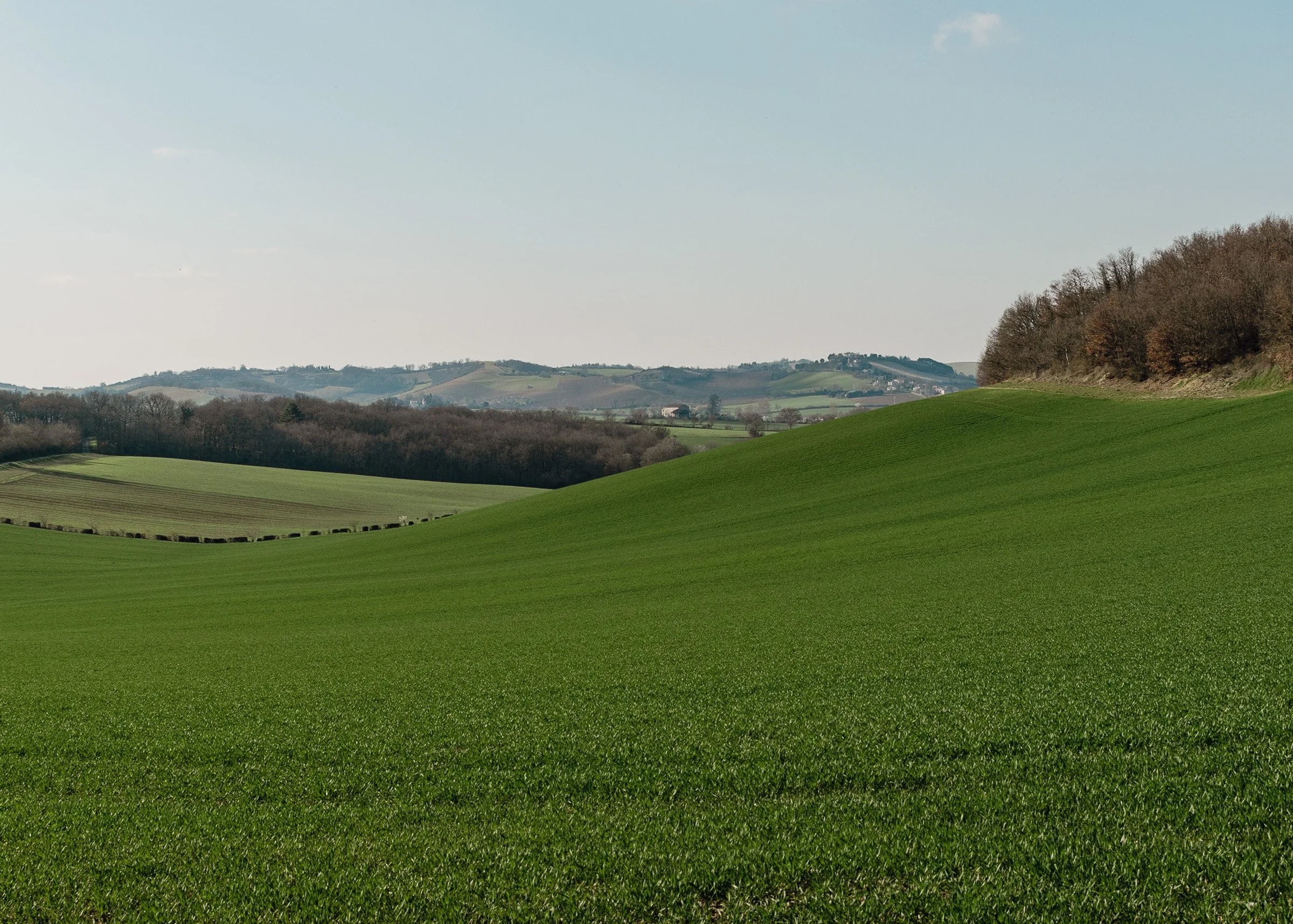
Tarn
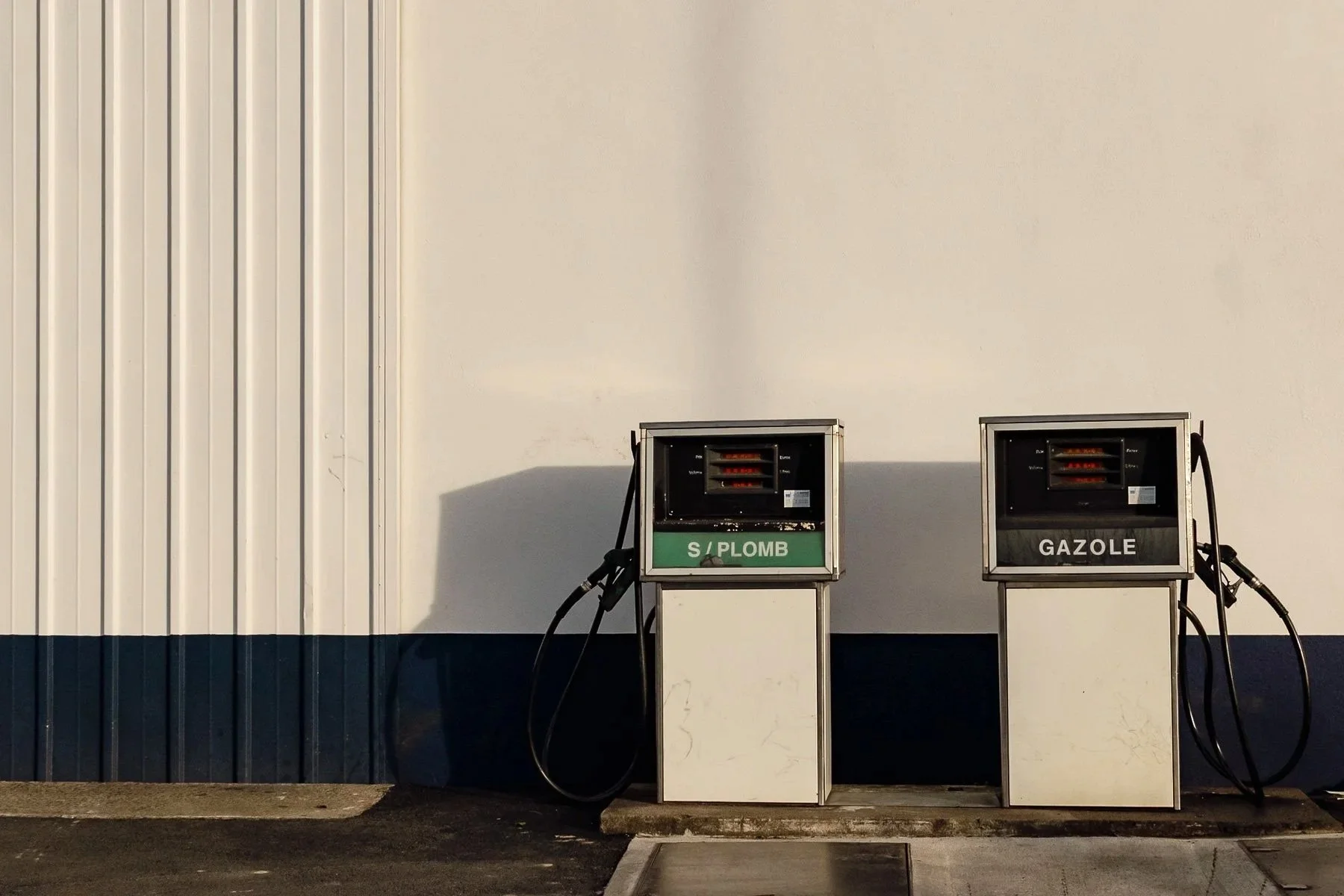
Vendée
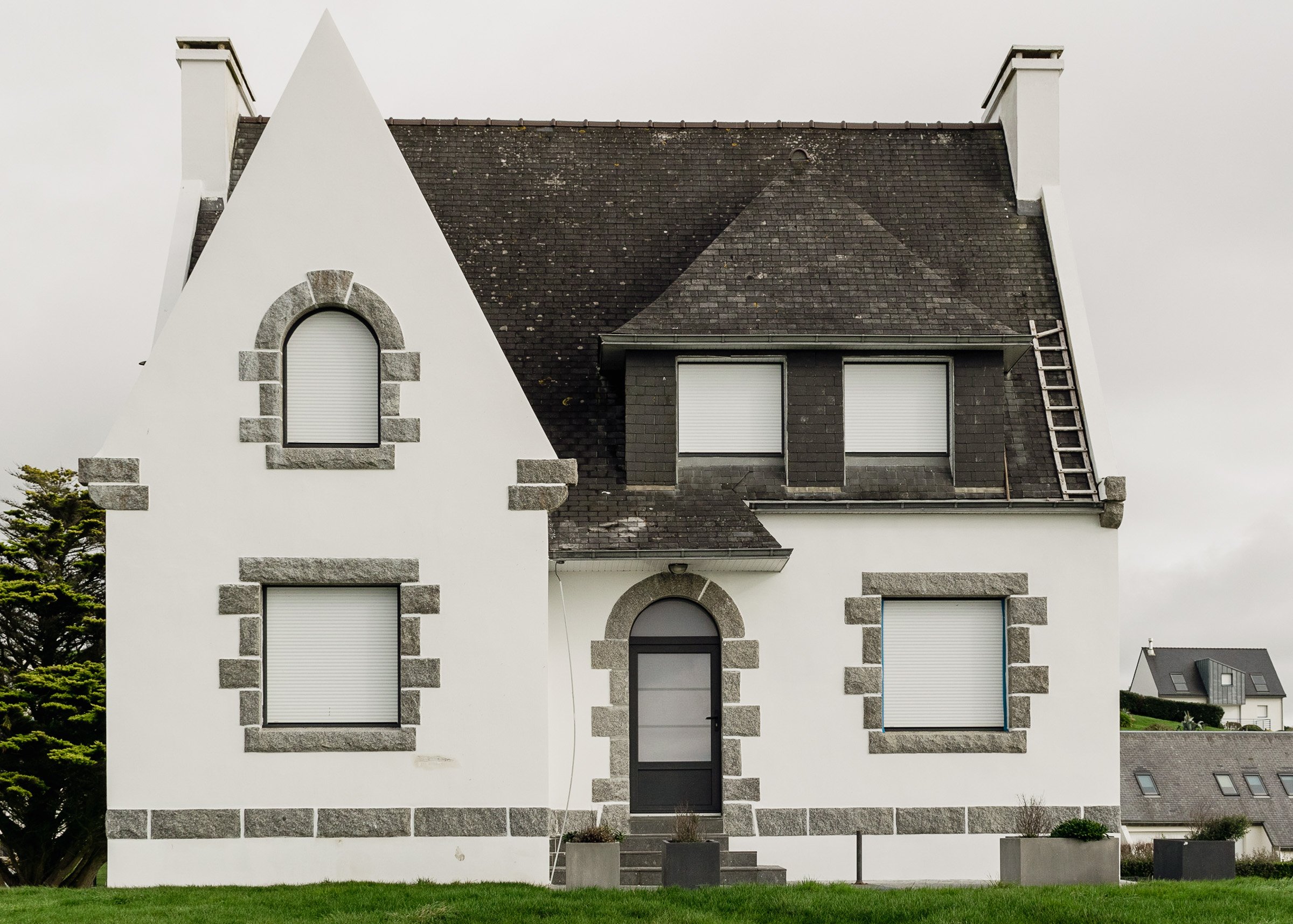
Finistère
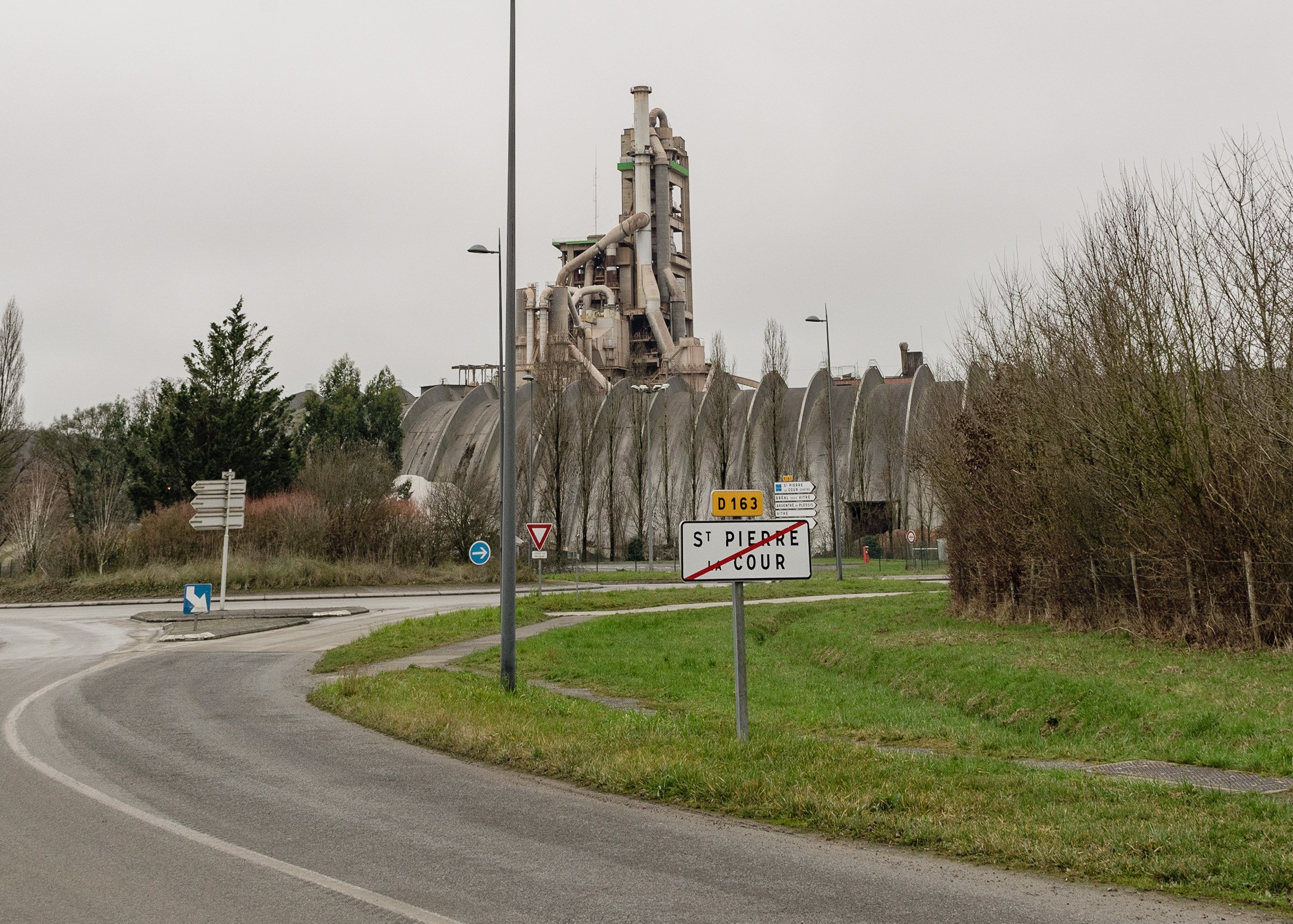
Mayenne
Finistère
Tarn
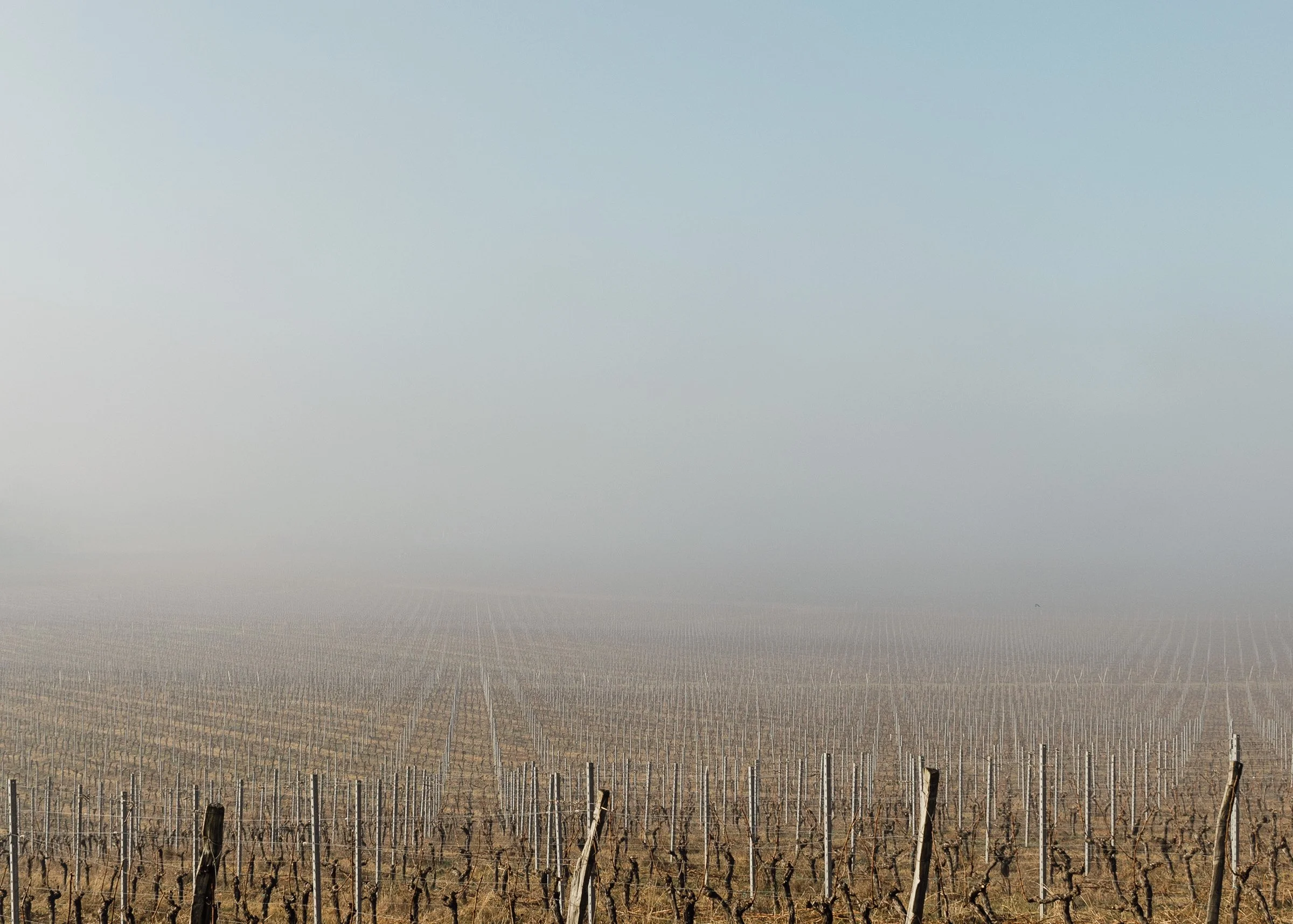
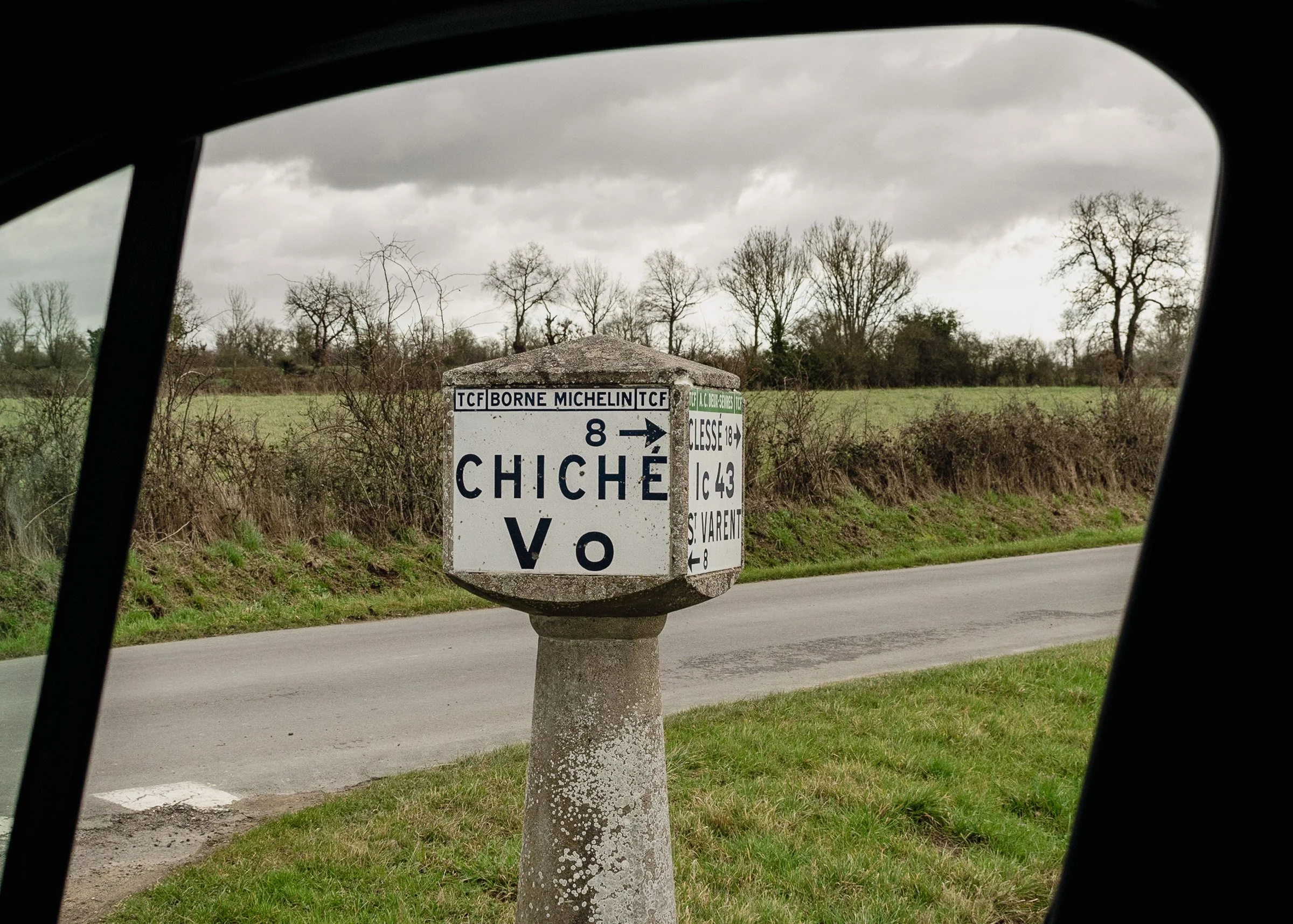
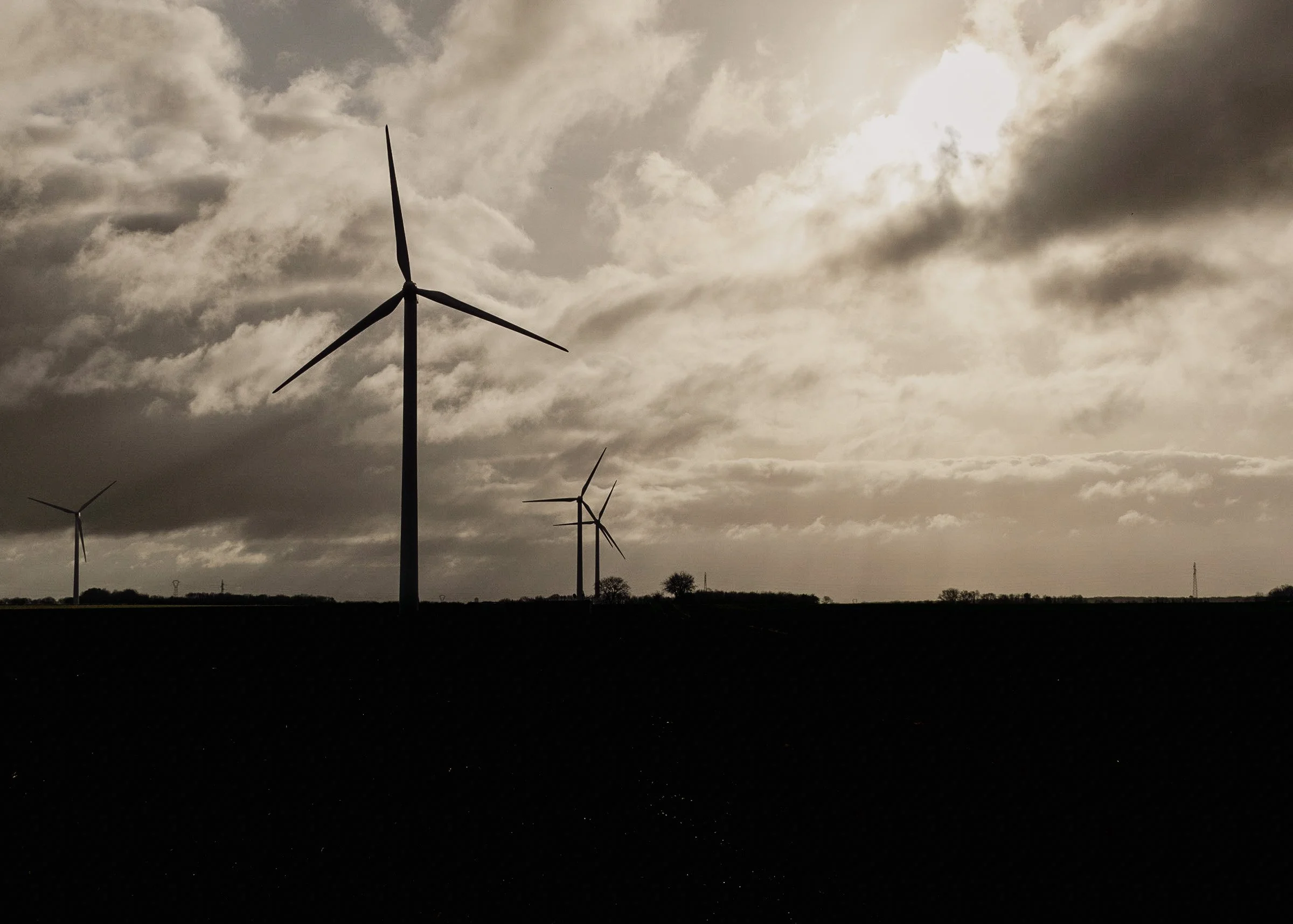
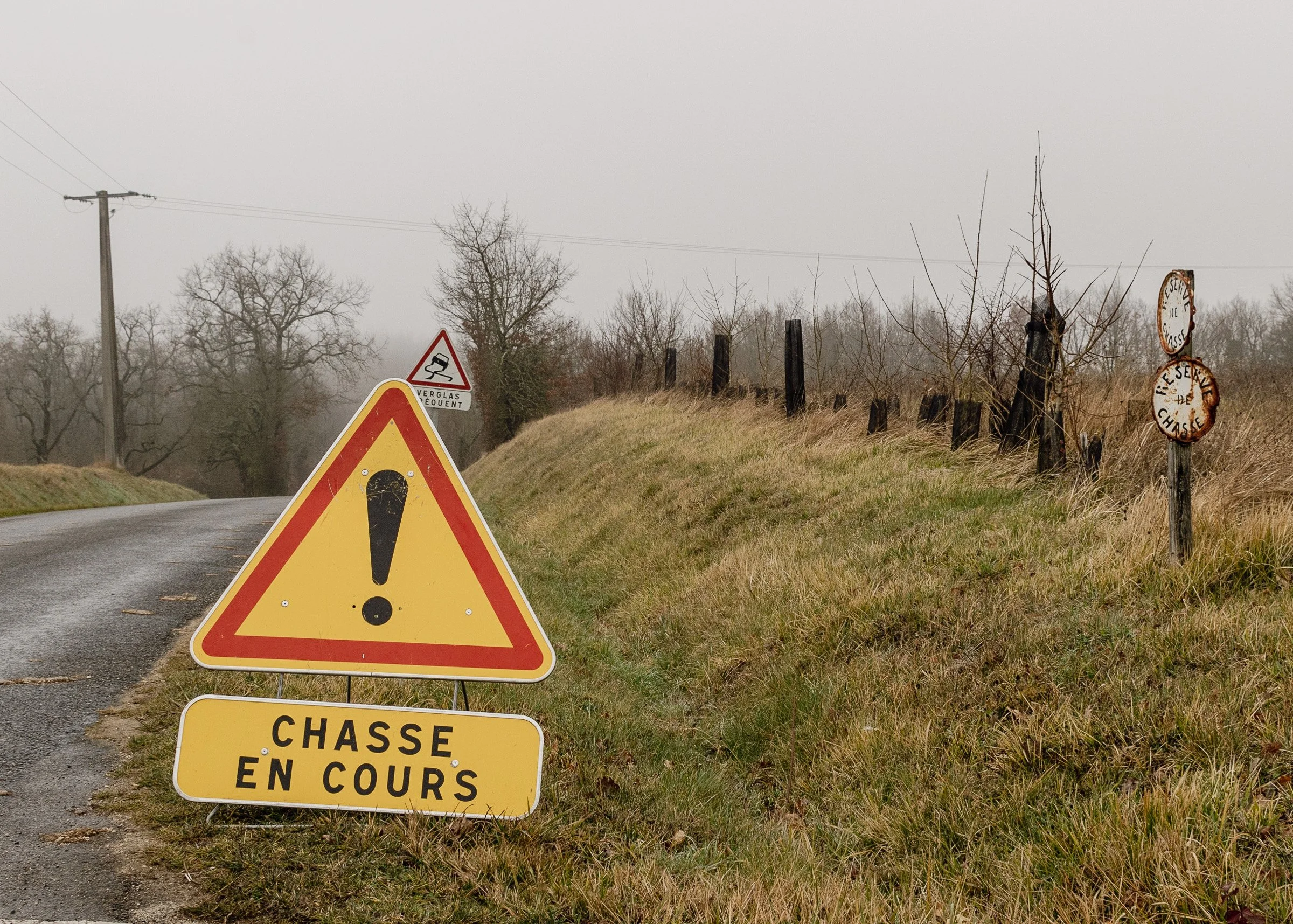
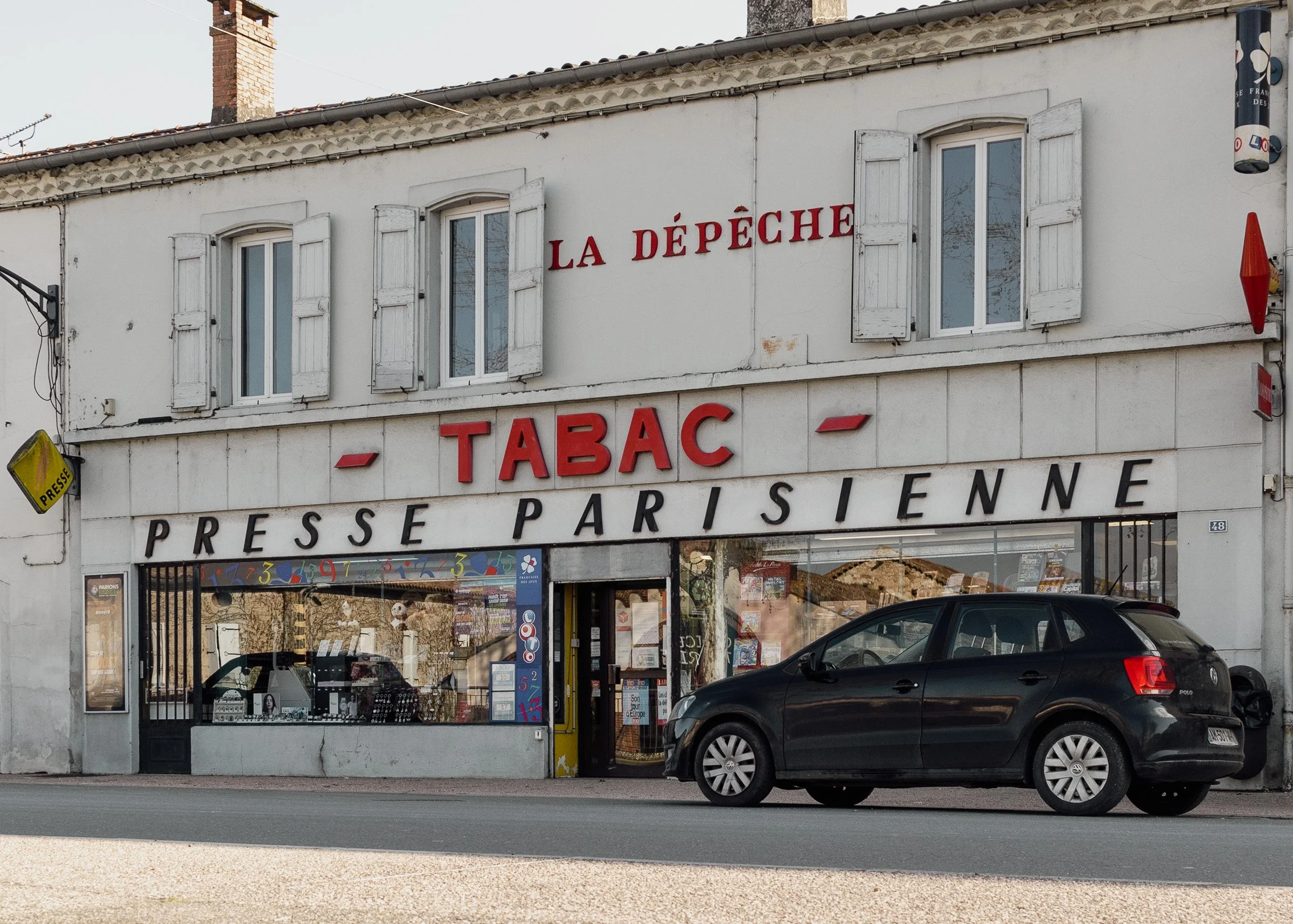
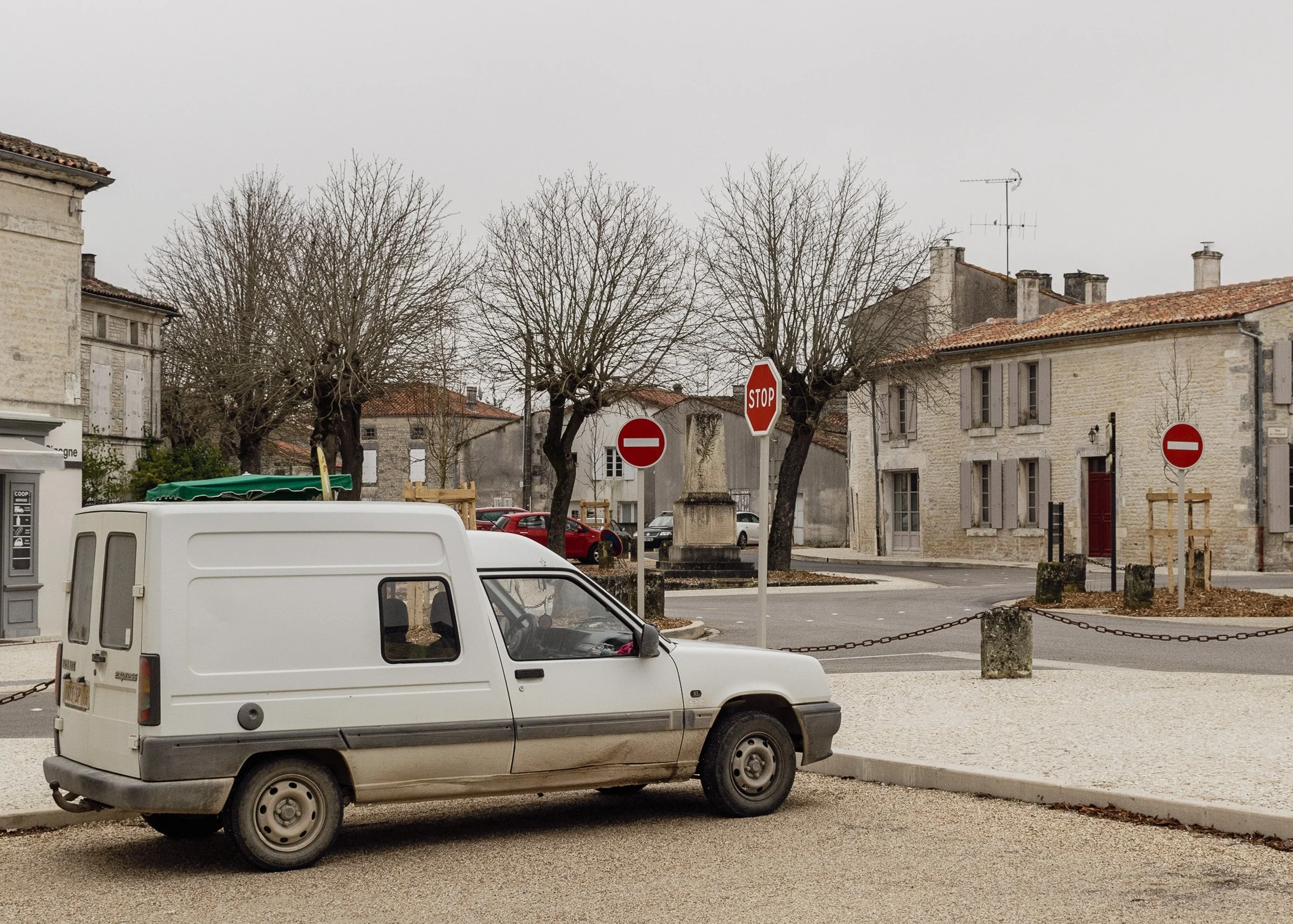
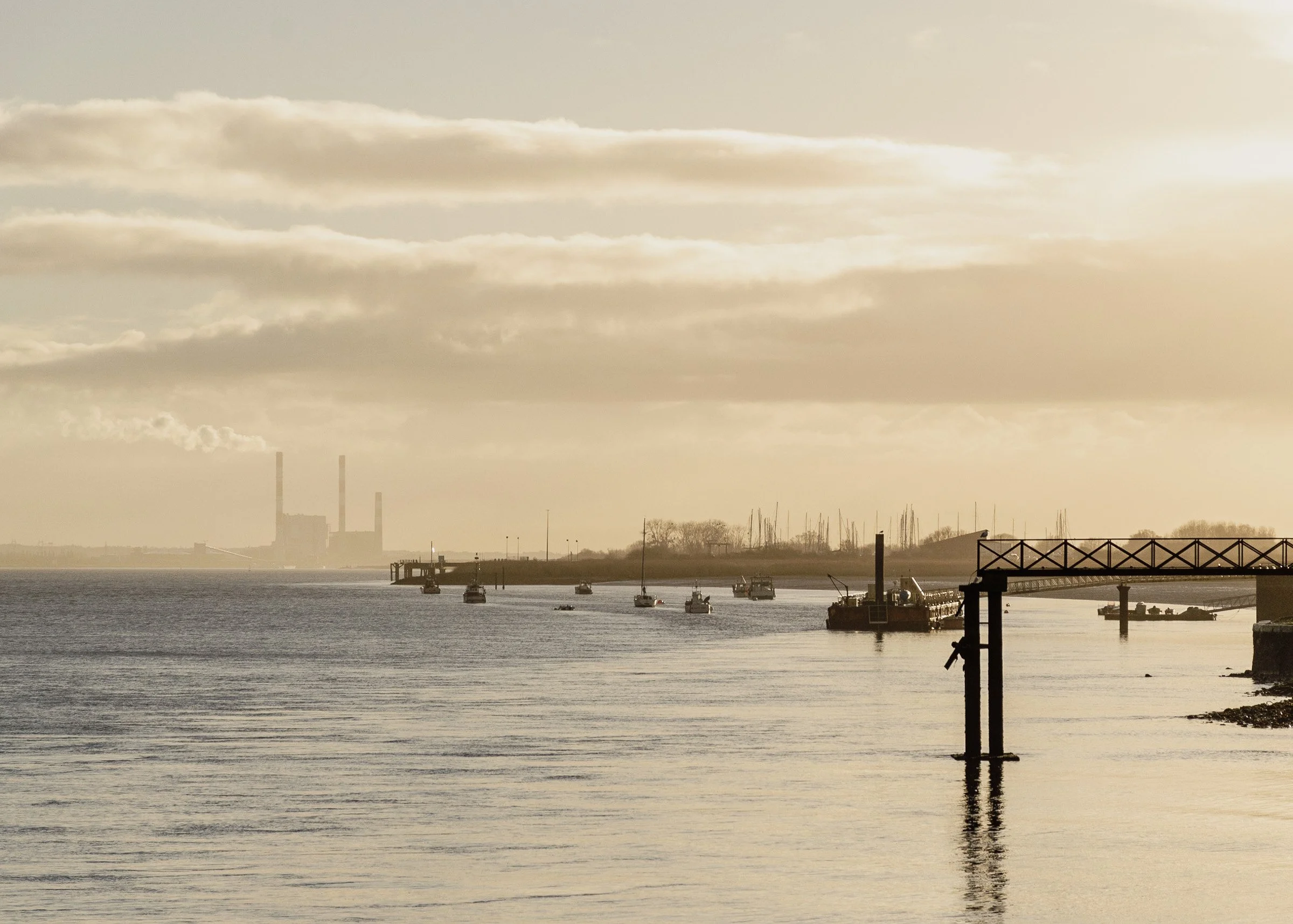
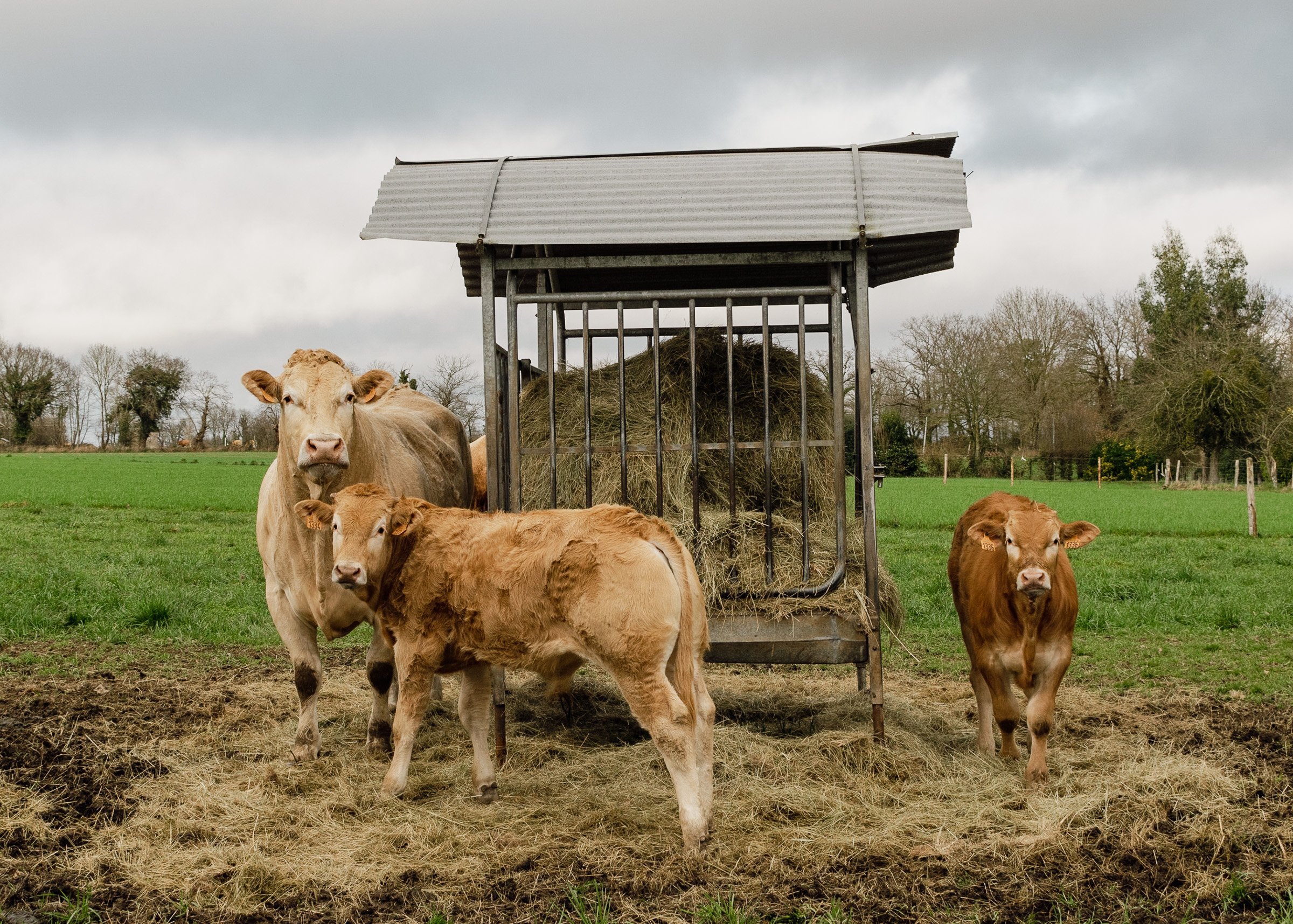
Today, however, I realize that the countryside I knew, the countryside of my grandparents, is dying year after year, giving way to a rural landscape marked by agribusiness, the development of the motorway network or wind farms, the disappearance of old farms and the farming profession, the desertion of village centers, the anachronism of certain places, etc. Like cities that seek to adapt to contemporary challenges, the countryside, too, is changing to conform to the transformations of our modern world.
Based on this observation, I felt the urge to explore my grandparents' countryside to discover if any fragments of it still existed in our world today. I decided to consider the countryside as a subject in its own right. Like the main character in my story, I wanted to give it prominence and thus remove the human element from my photographs. Also as a narrative choice, I decided to take my photos in winter. With its dormant vegetation, its paused tourism, and its secluded populations, it's a season that, despite itself, imposes a kind of honesty. Enhancing a photograph with lush vegetation, lively village festivals, or bucolic settings becomes more difficult. In winter, reality seems amplified. It was with these desires that one morning, I decided to hit the road.
…
Sarthe
Morbihan
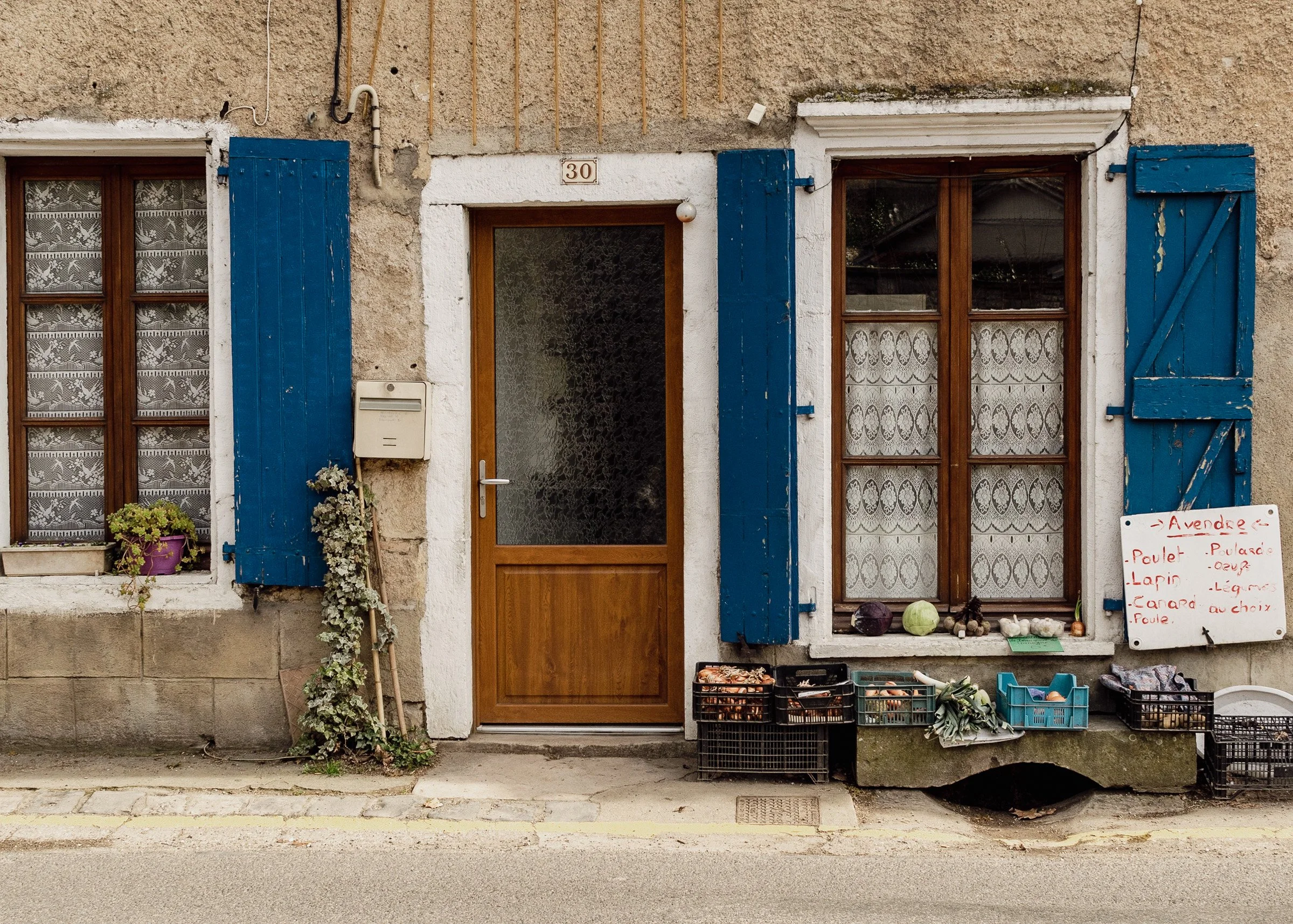
Tarn-et-Garonne
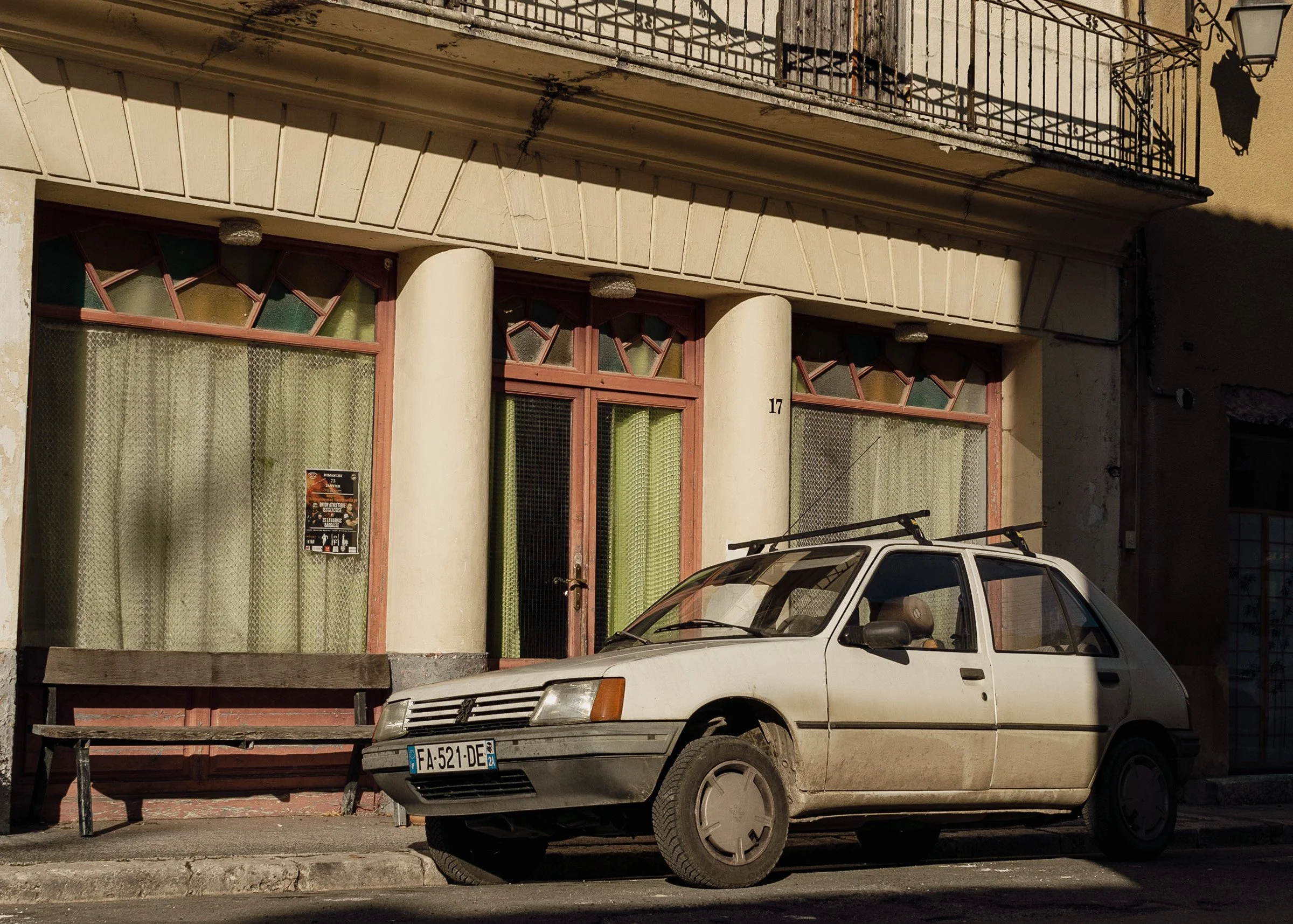
Dordogne
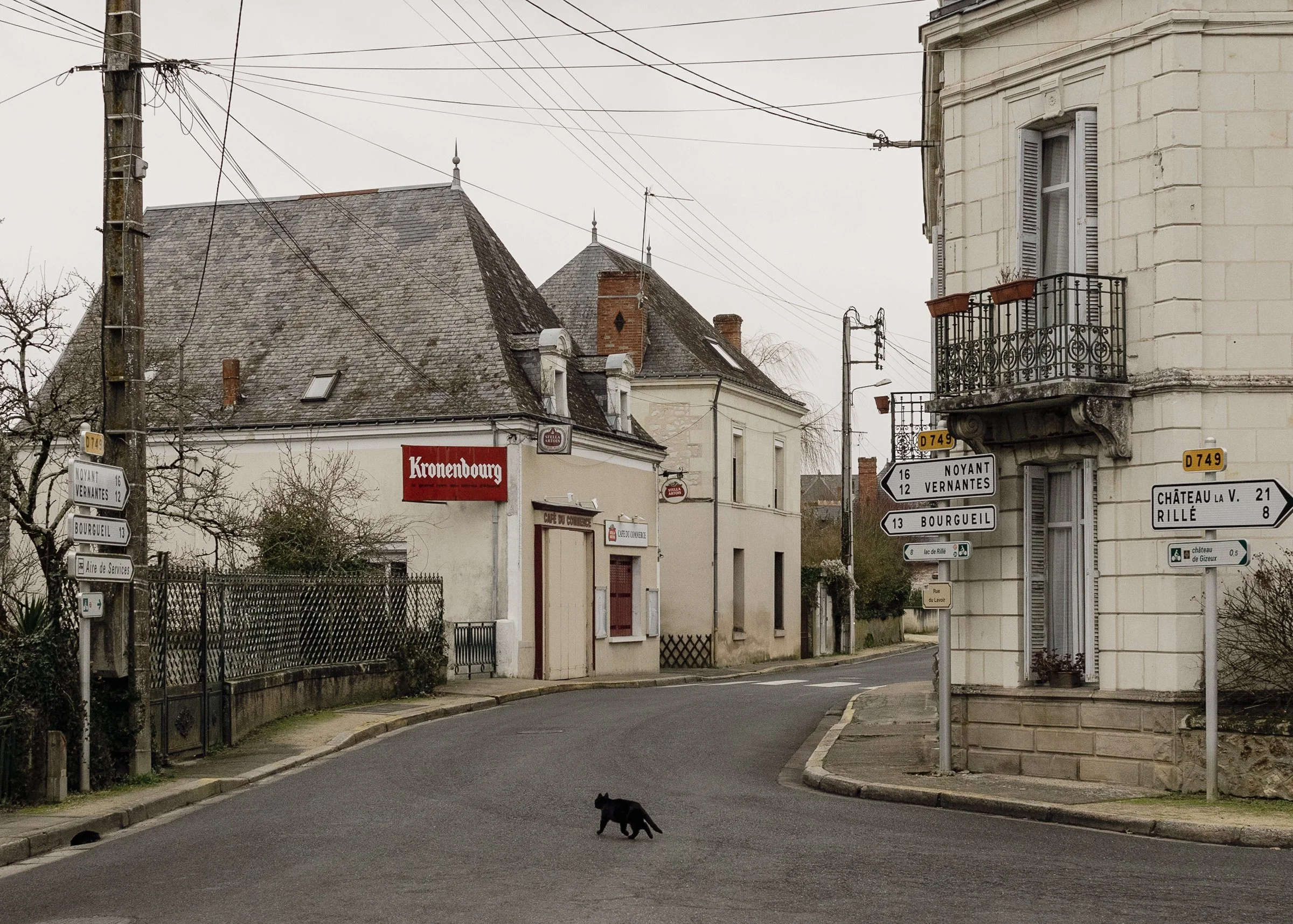
Indre-et-Loire
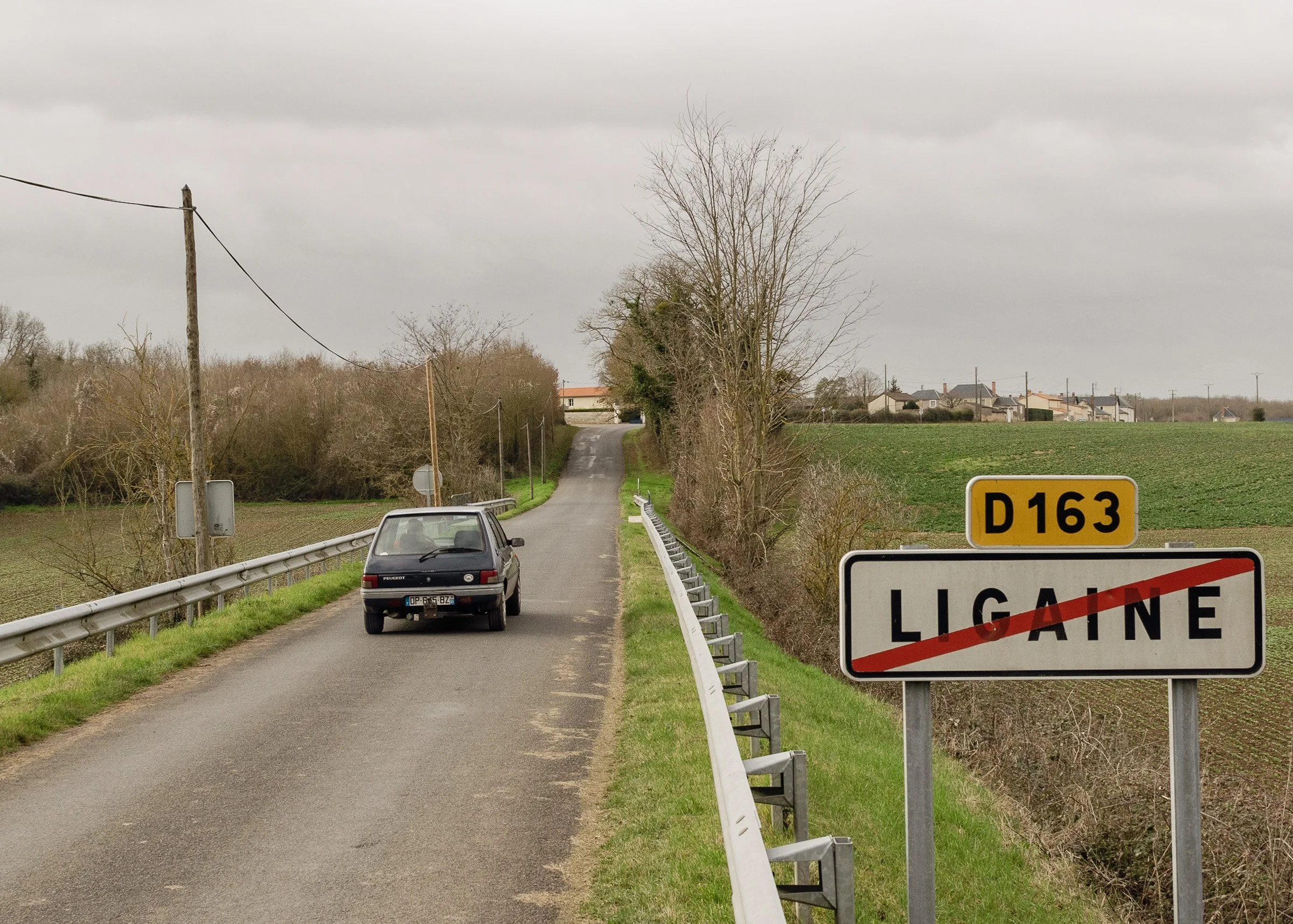
Deux-Sèvres
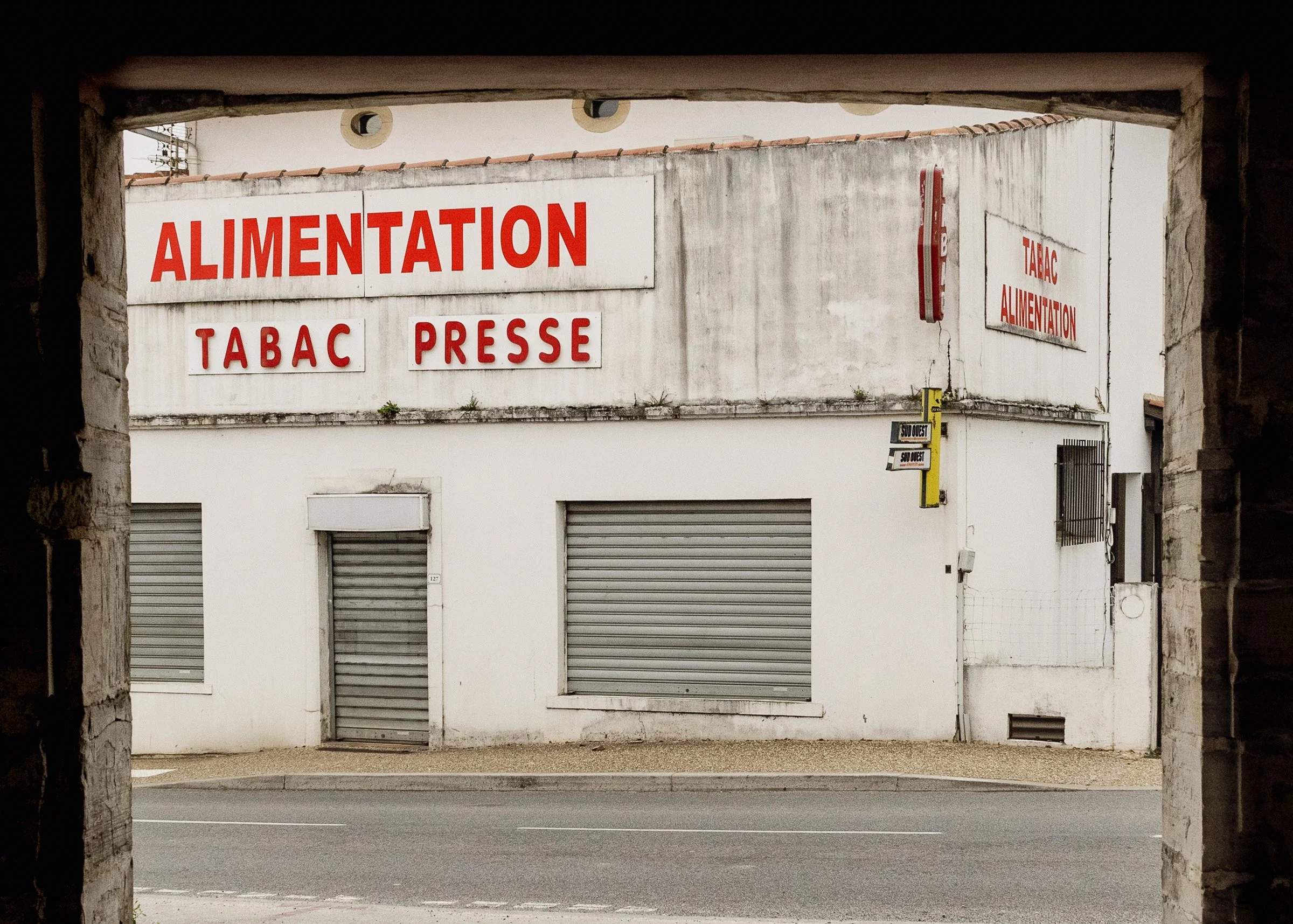
Pyrénées-Atlantiques
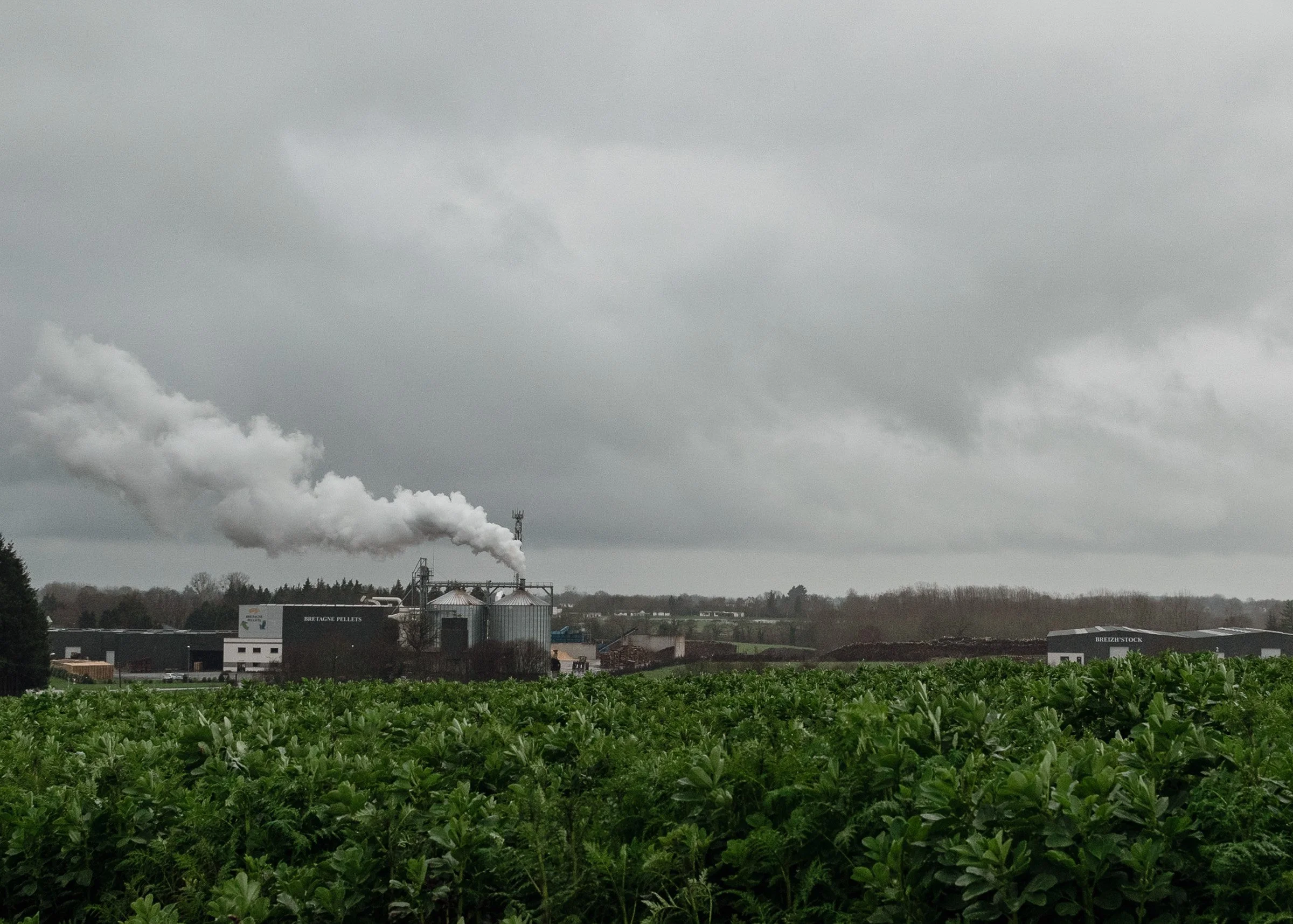
Loire-Atlantique
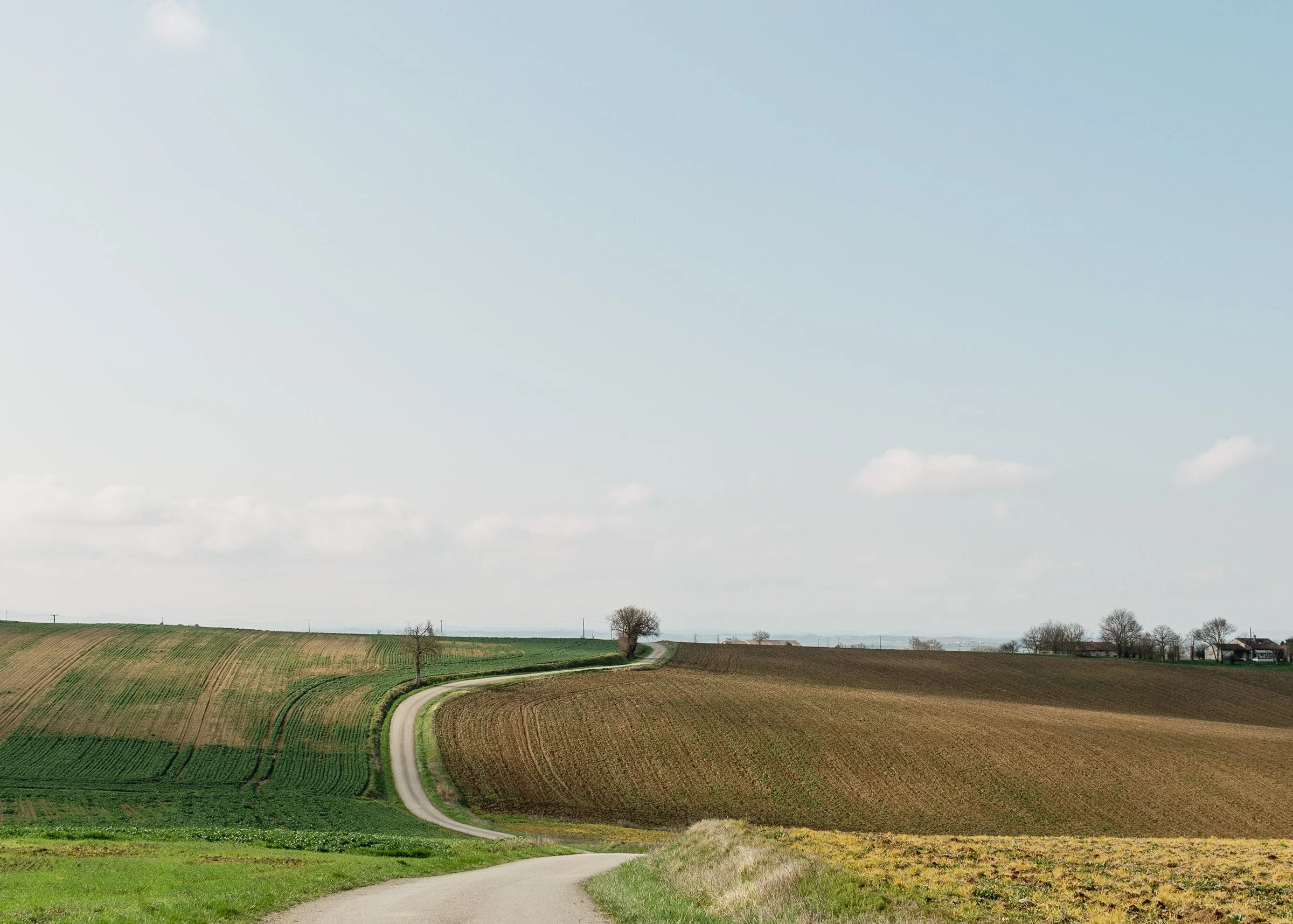
Haute-Garonne
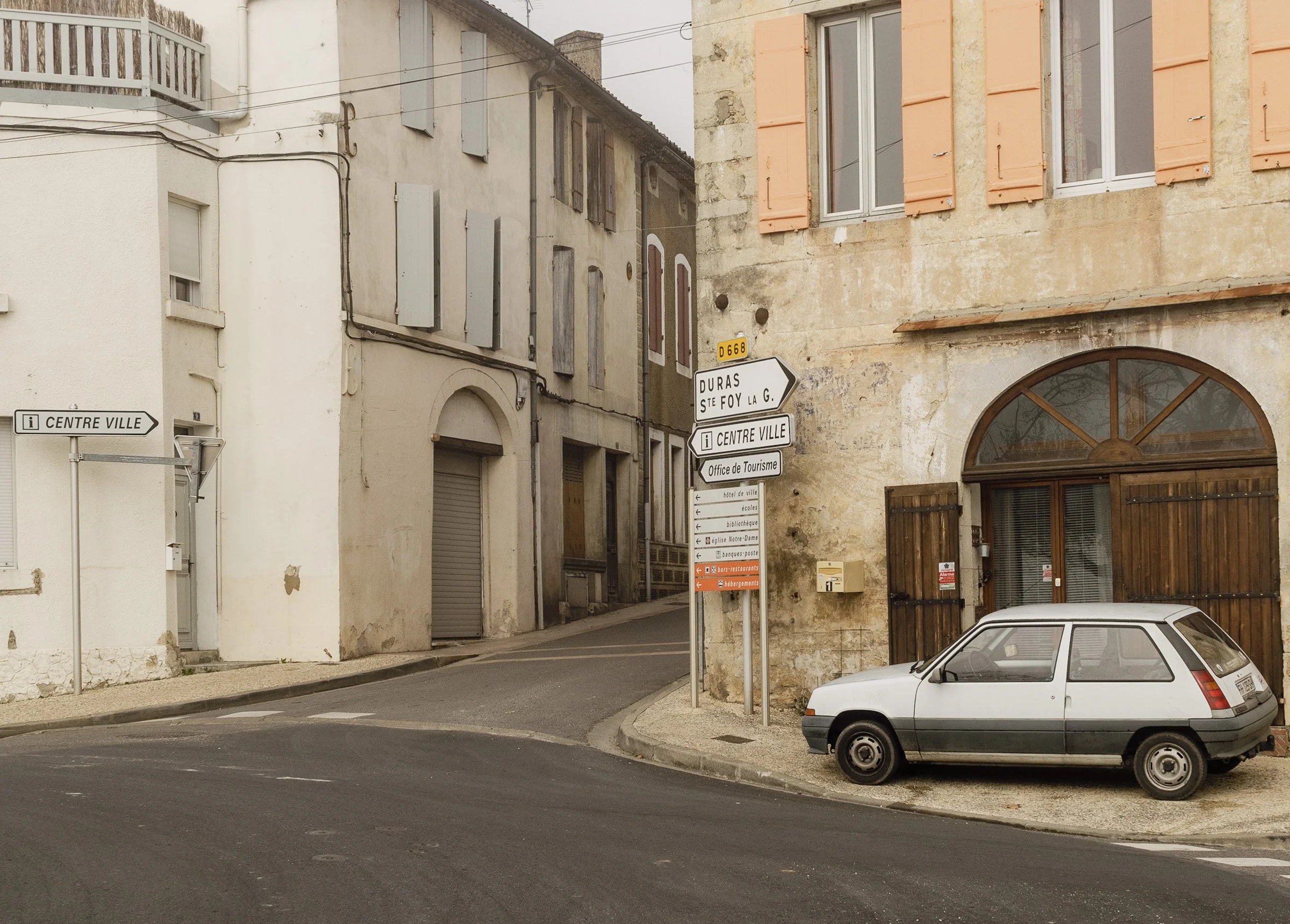
Lot-et-Garonne
Gironde
Deux-Sèvres
Vendée

Calvados
Vienne
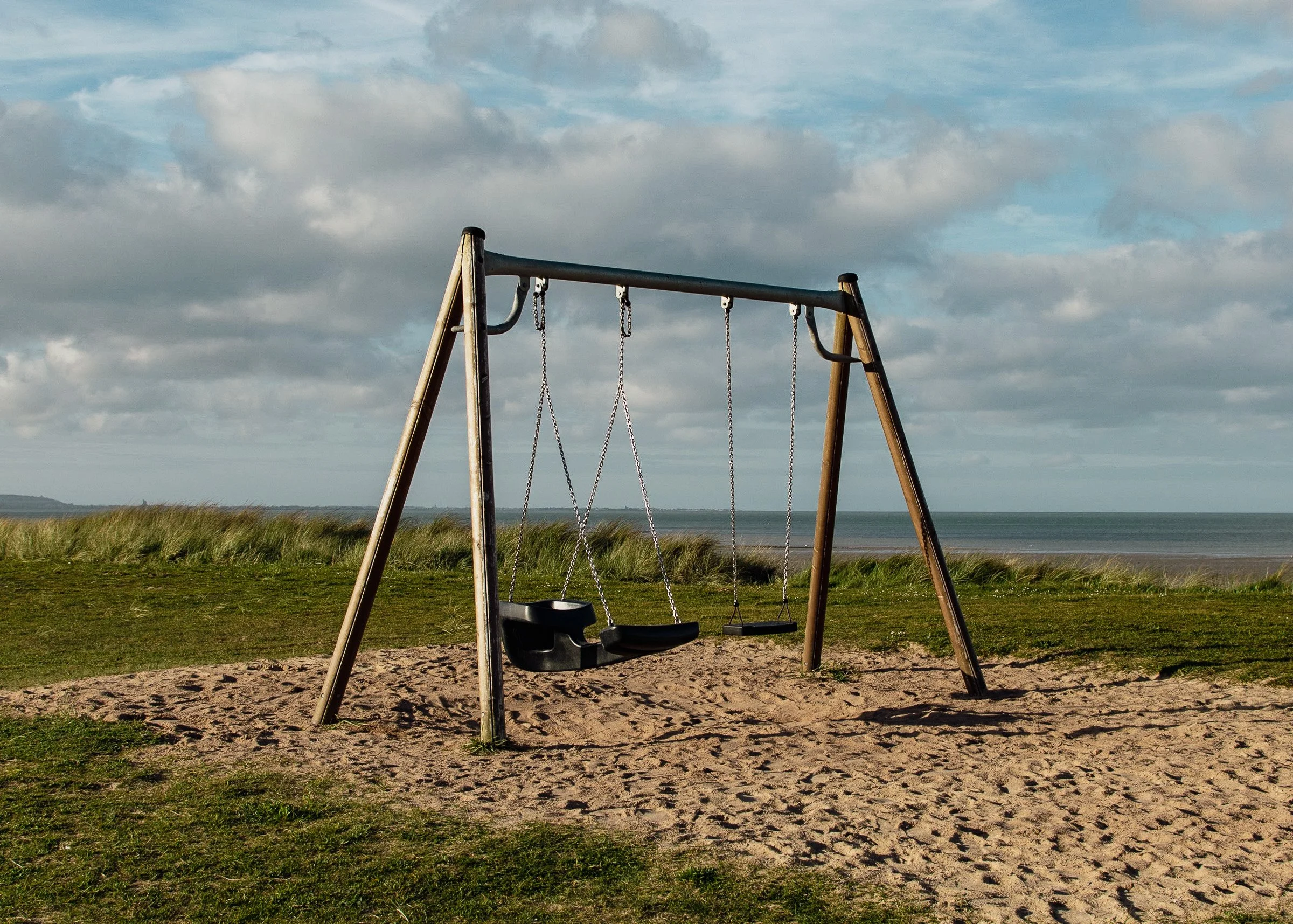
Manche
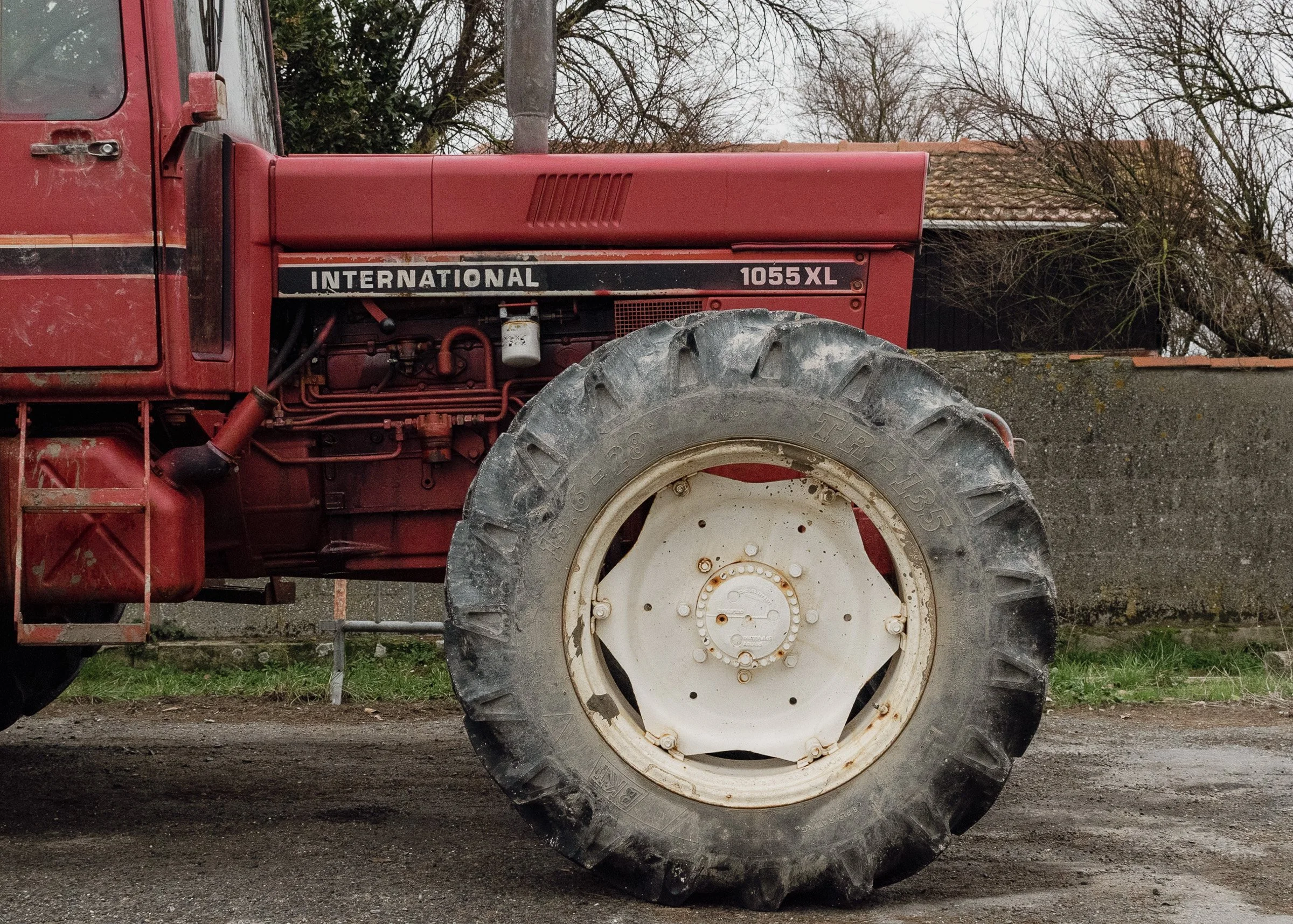
Charente-Maritime
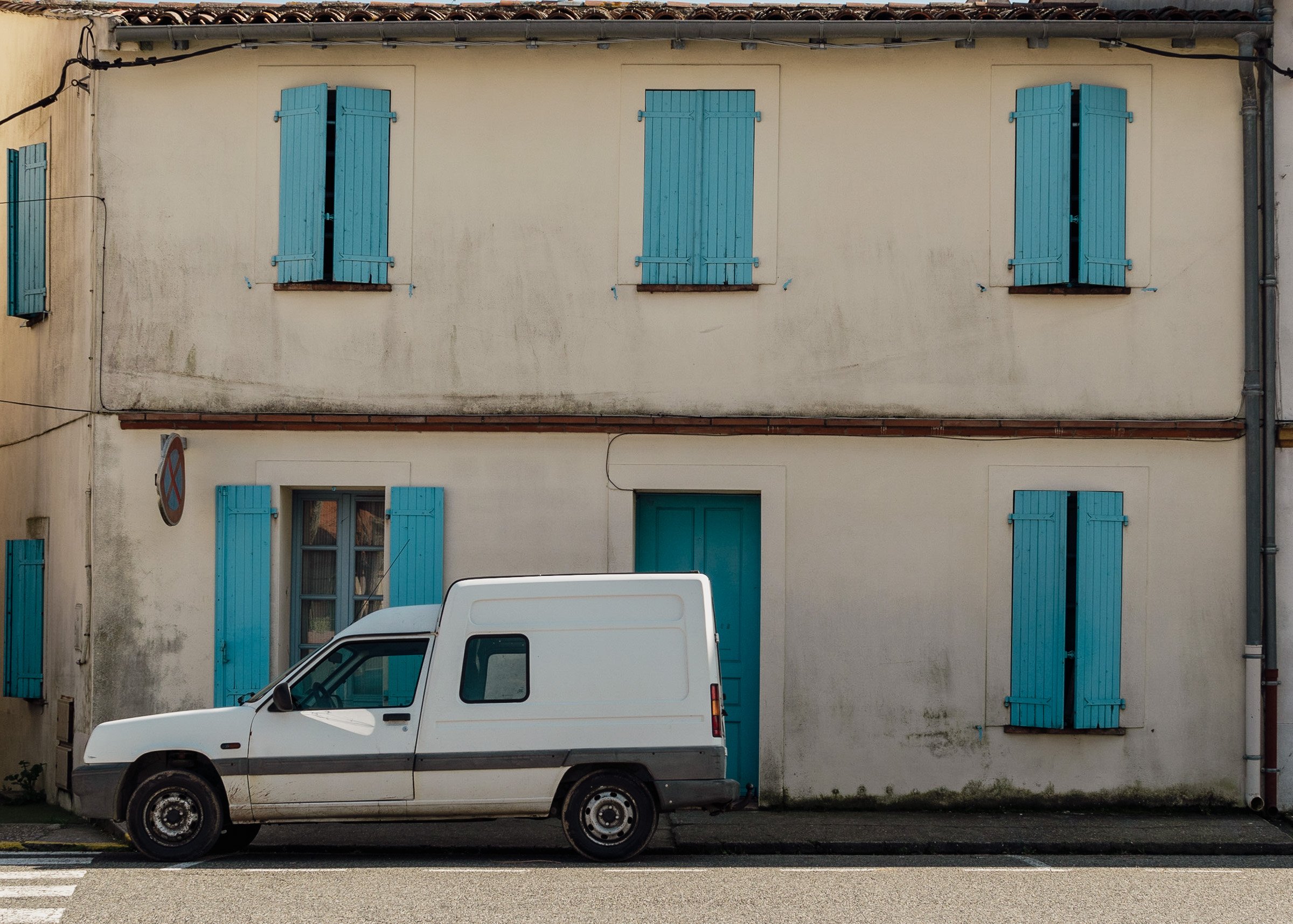
Haute-Garonne
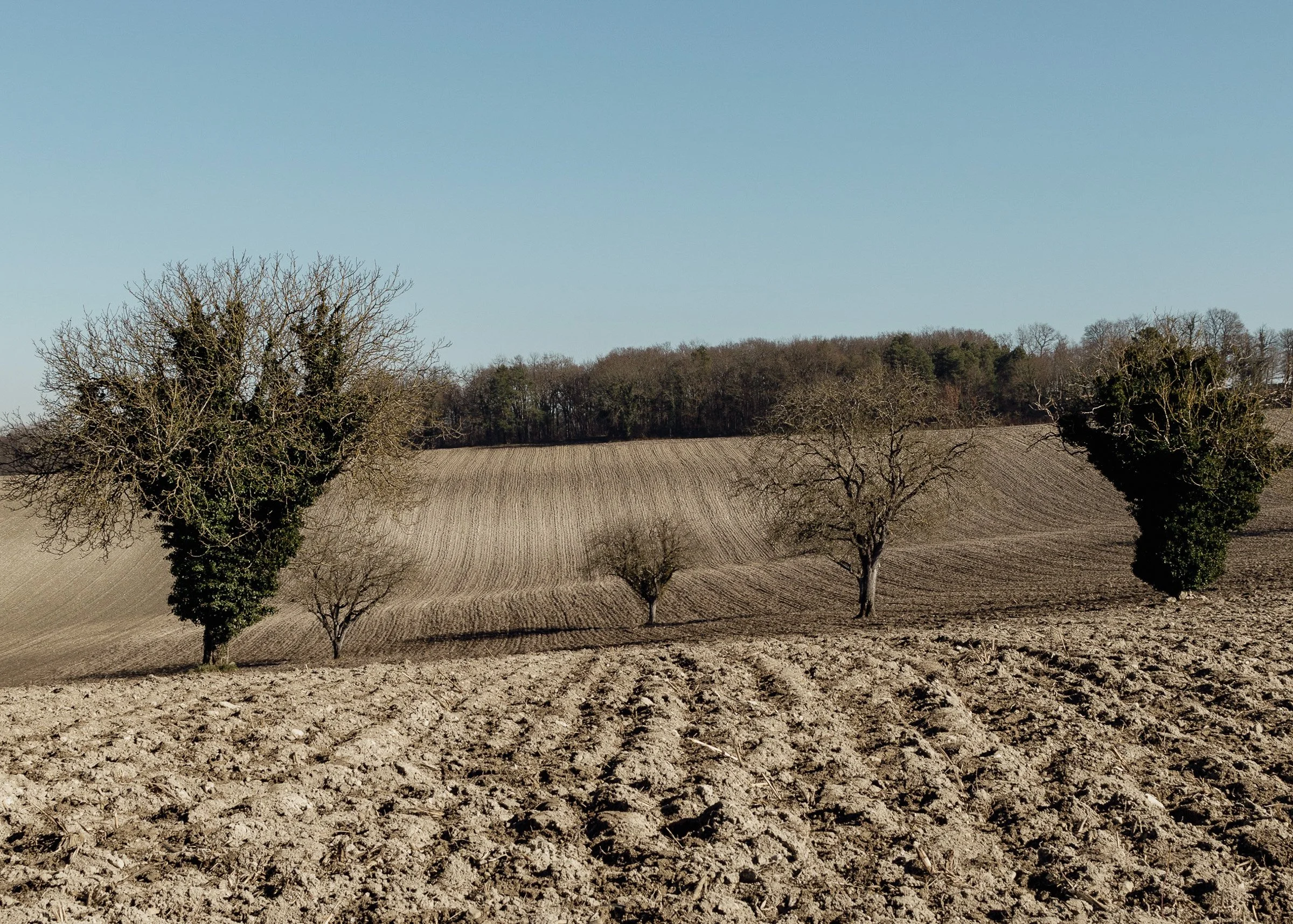
Charente
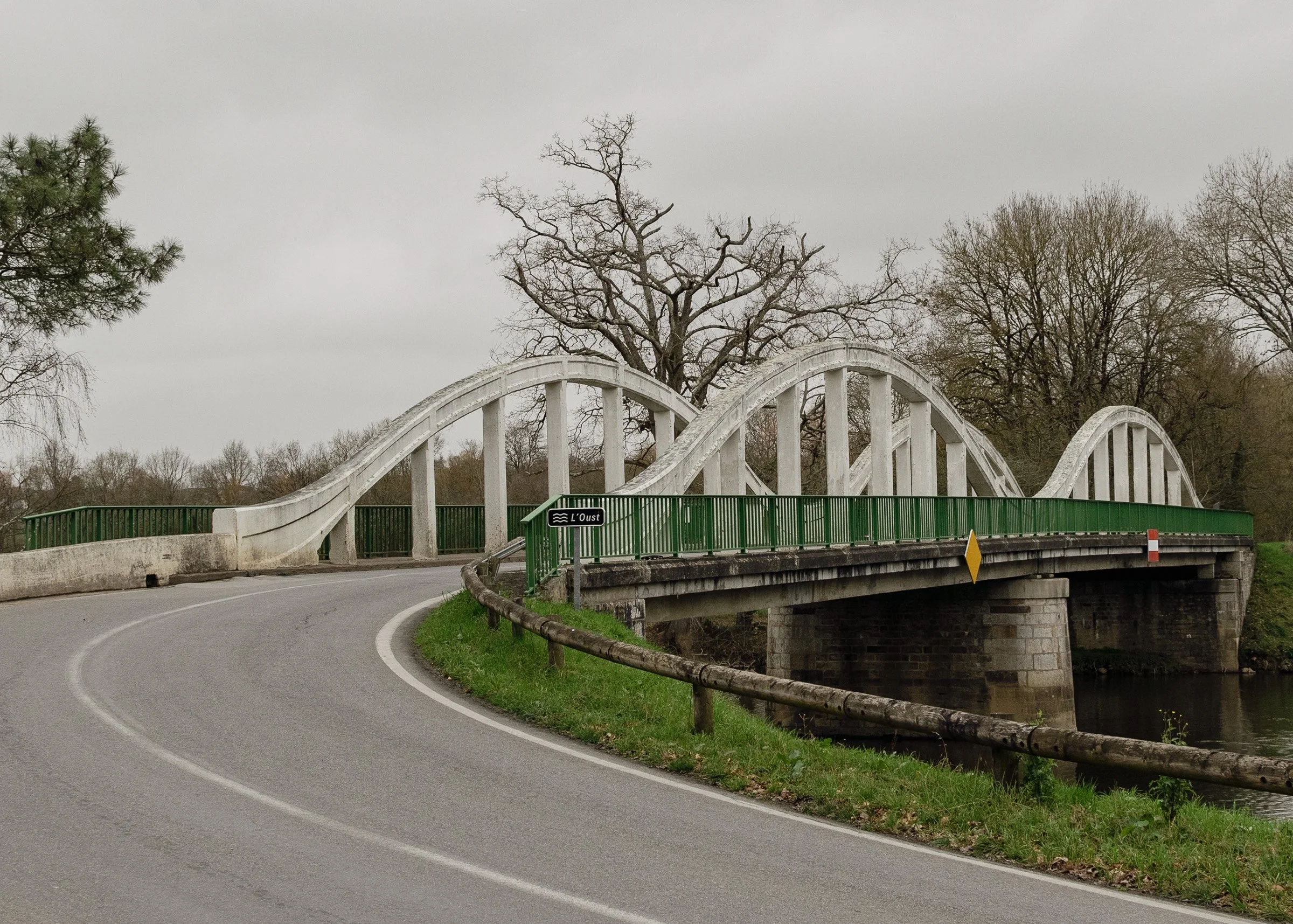
Morbihan
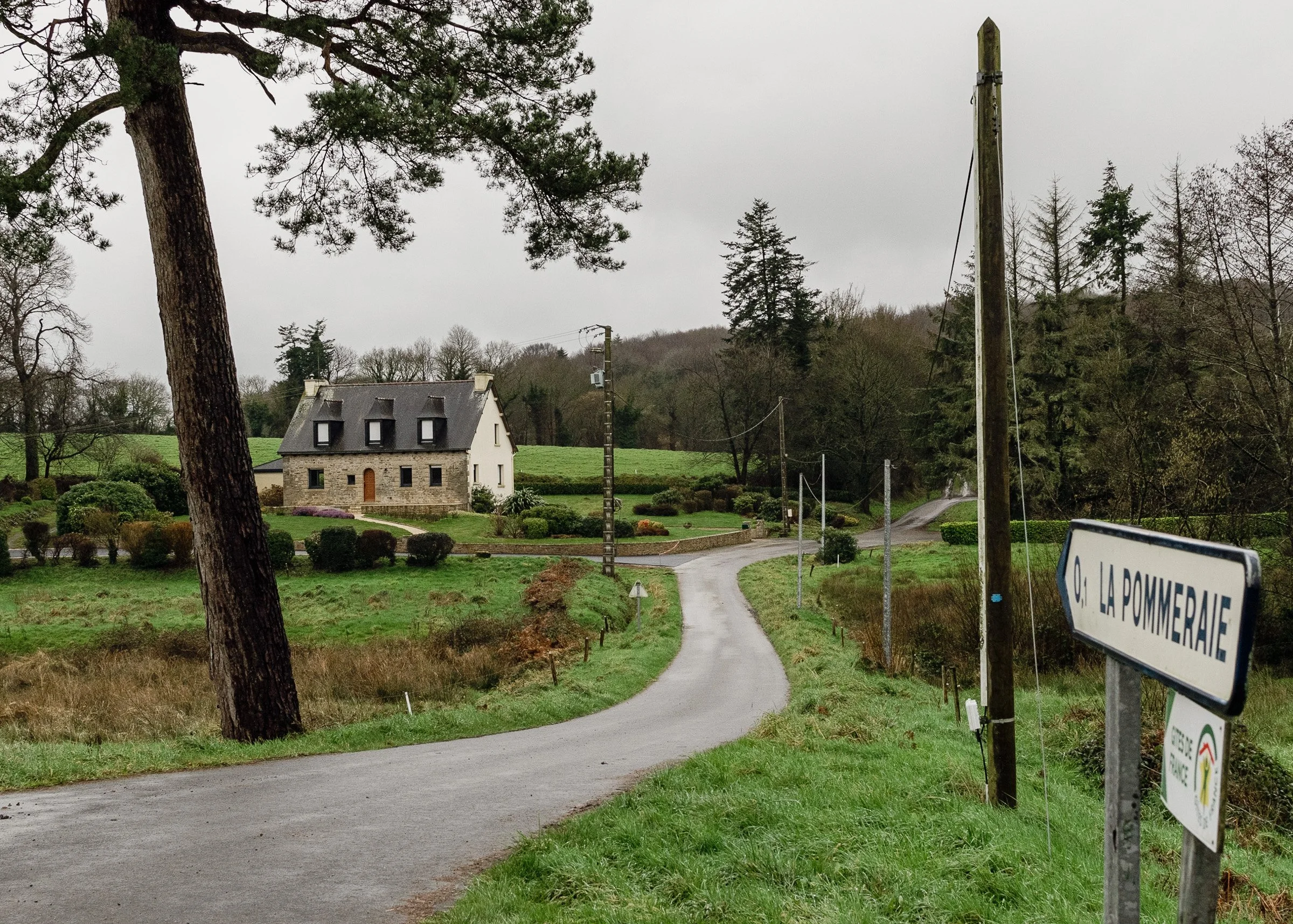
Ille-et-Vilaine
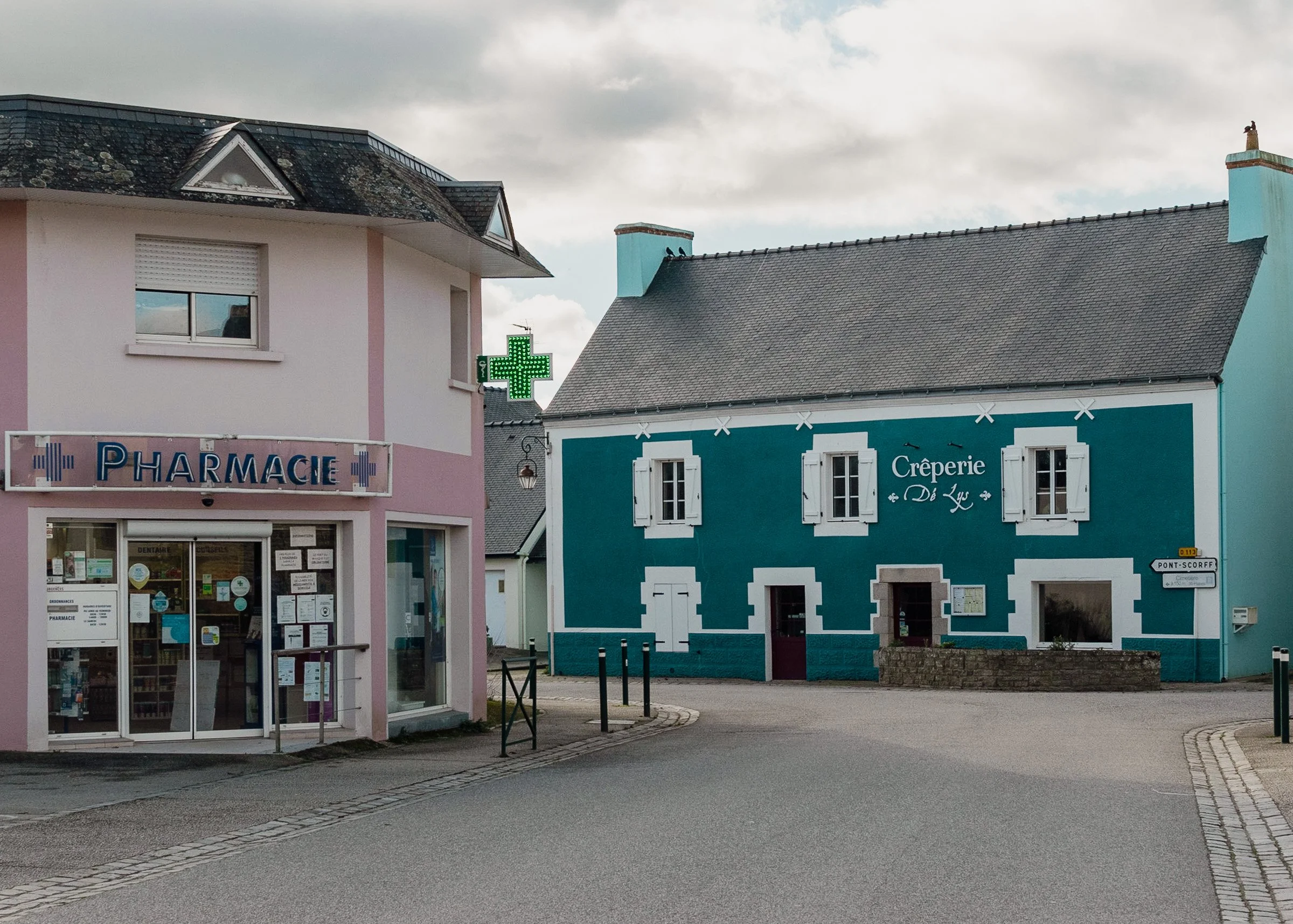
Finistère
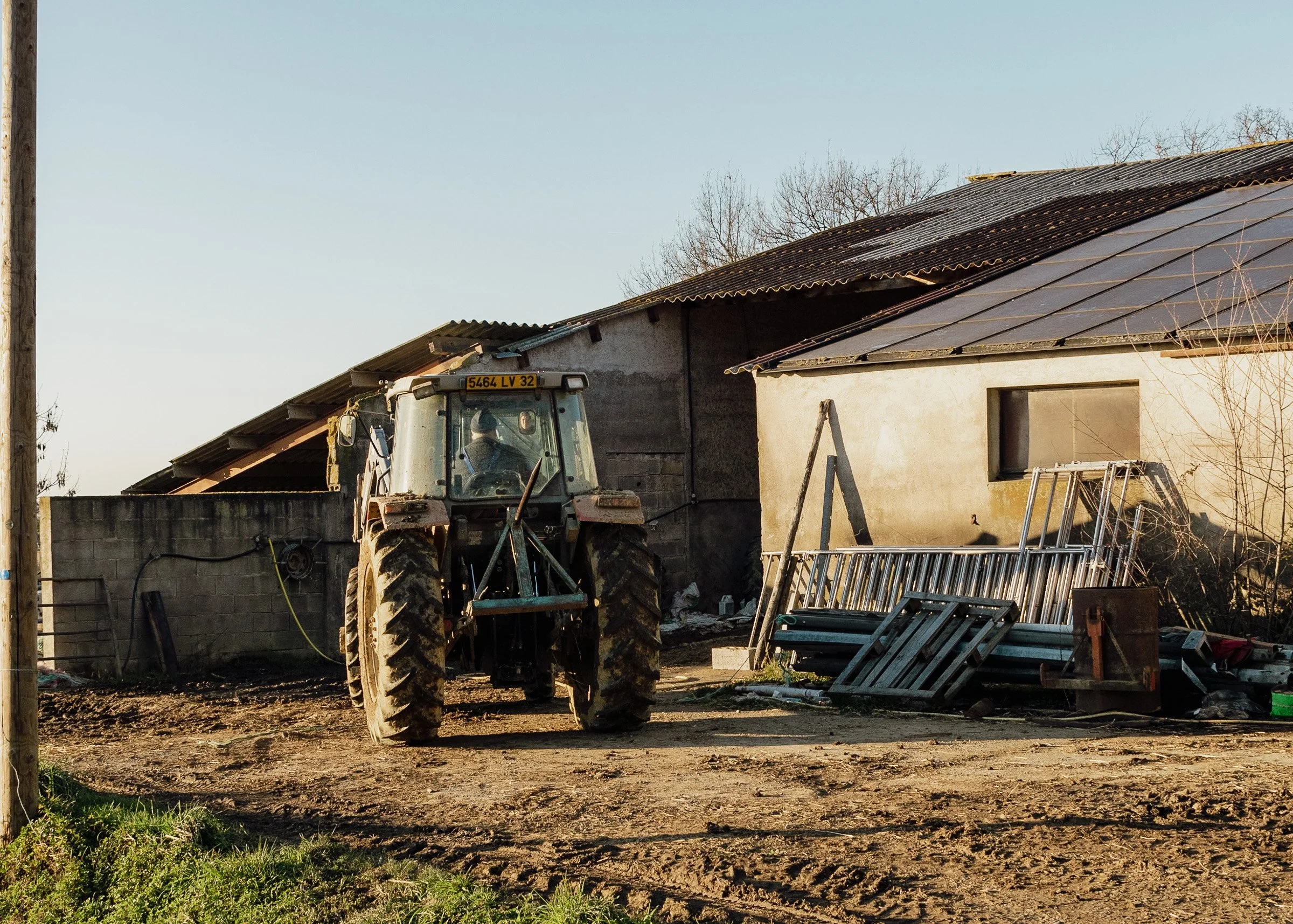
Gers
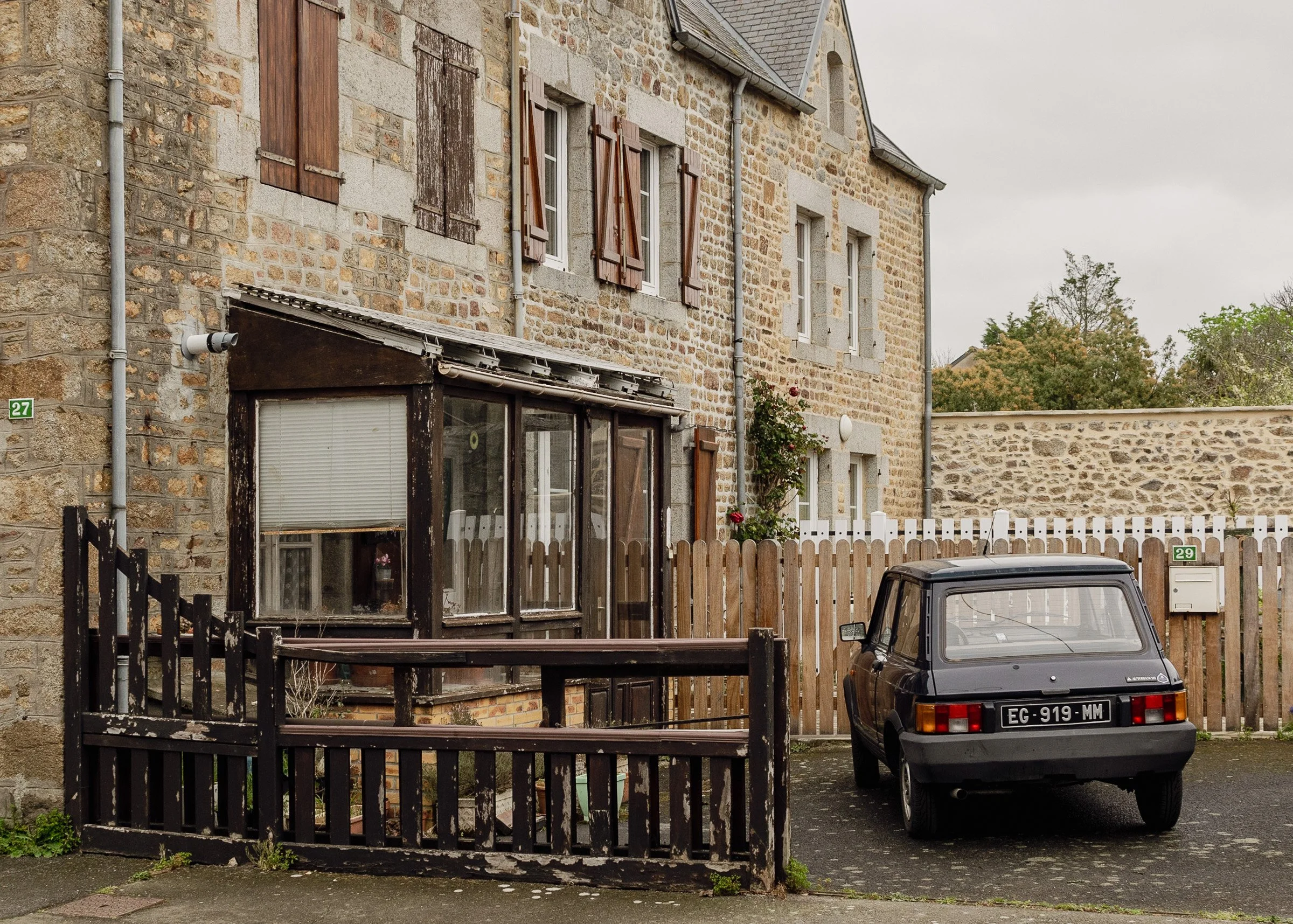
Calvados
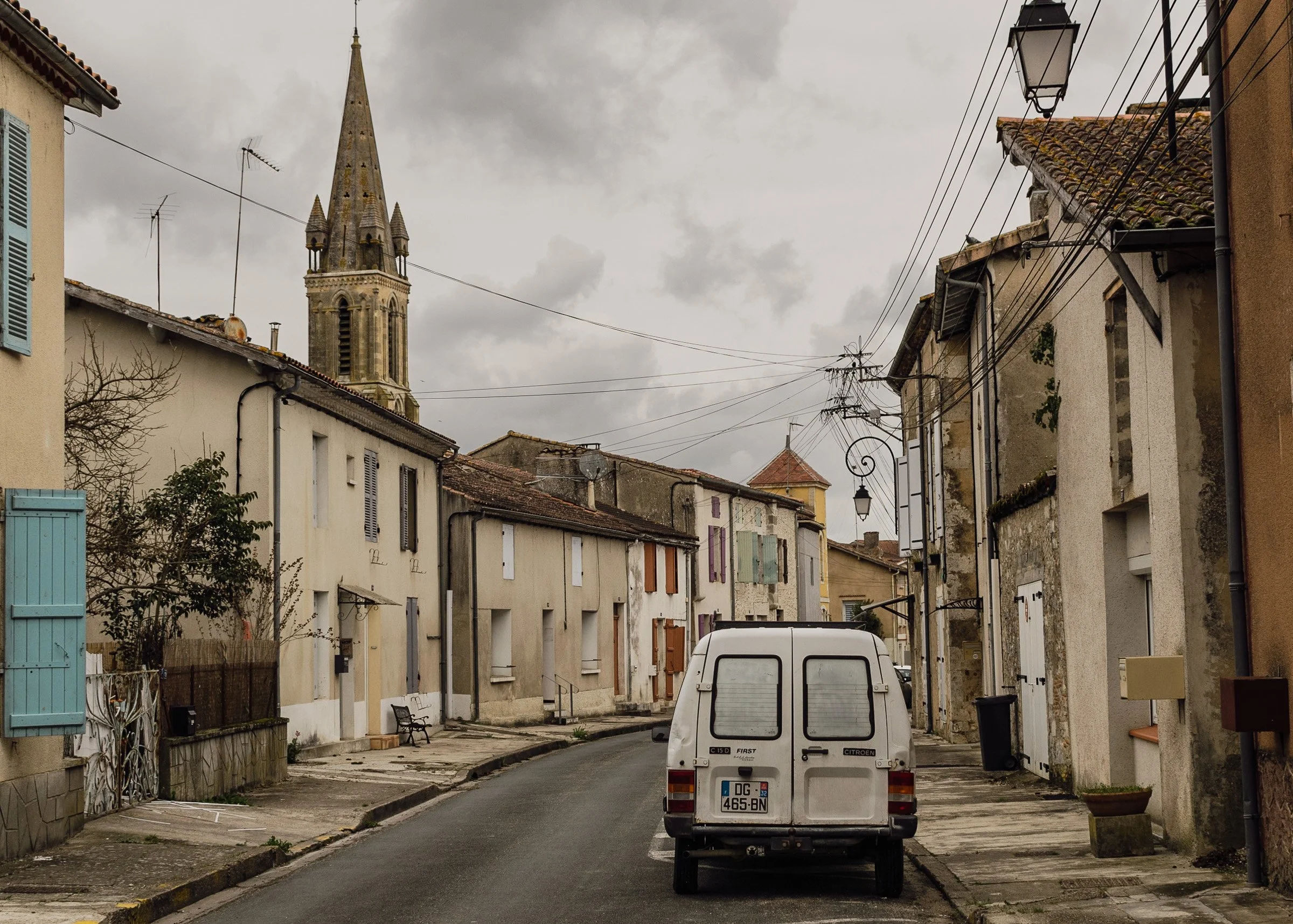
Lot-et-Garonne
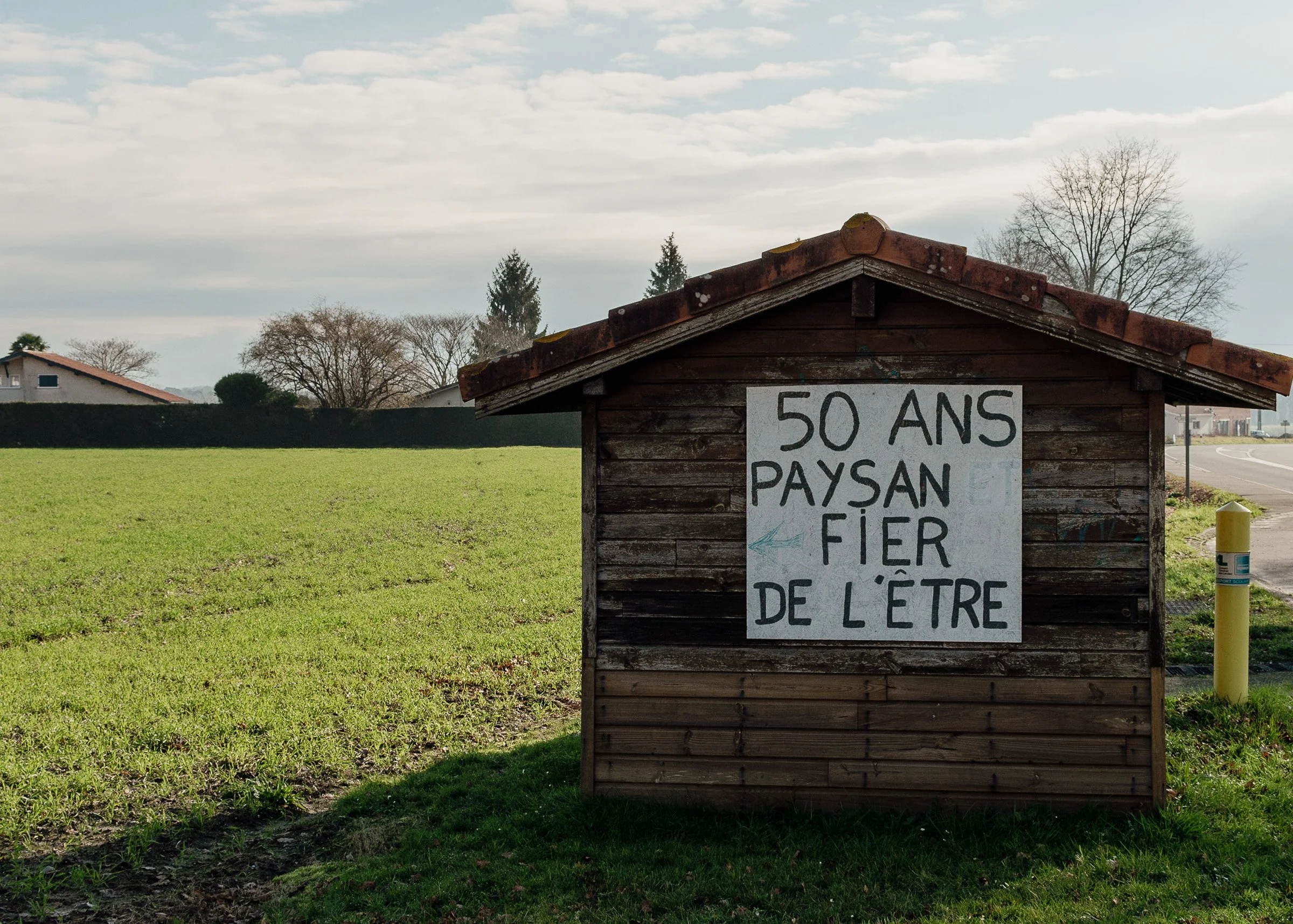
Pyrénées-Atlantiques
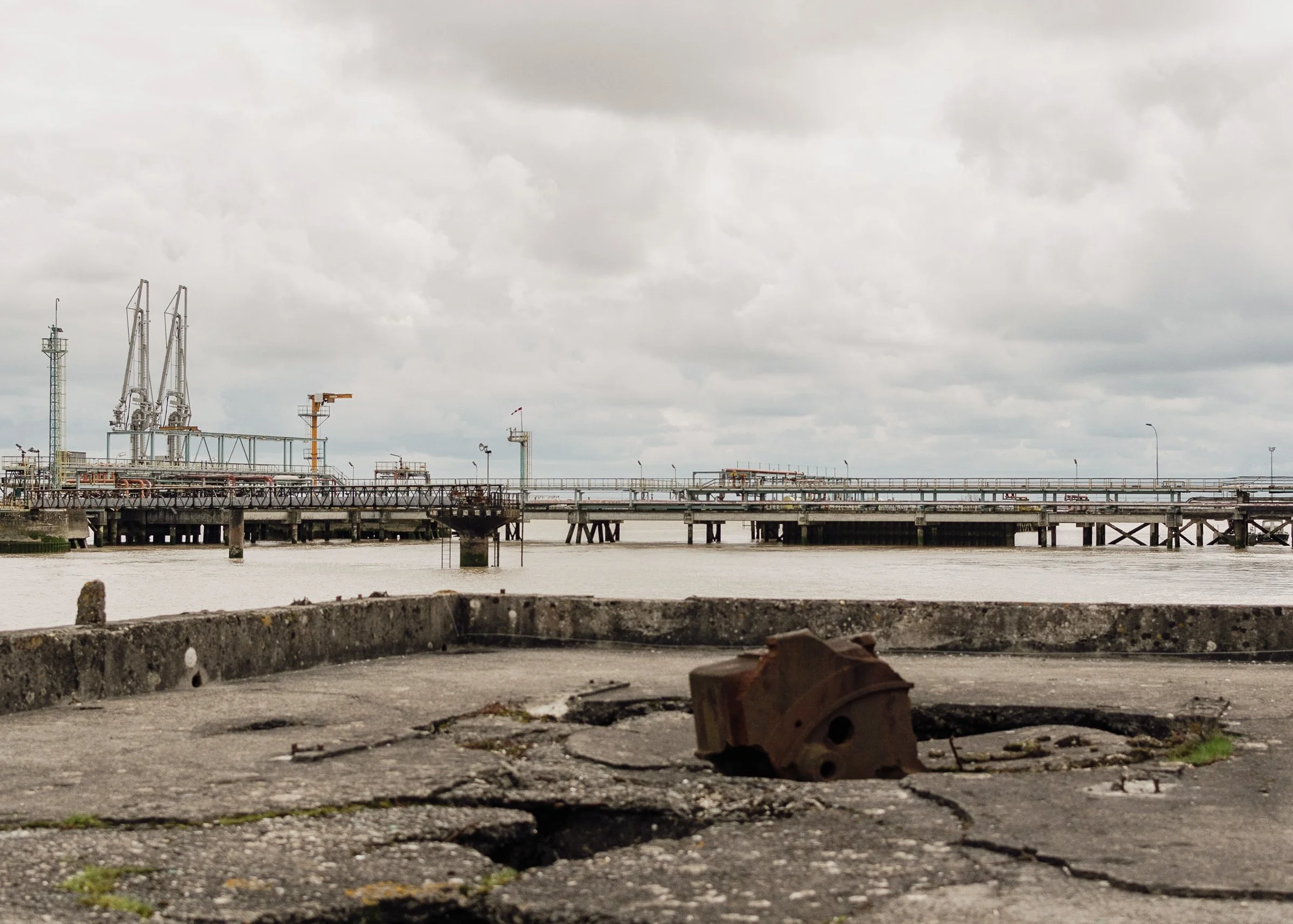
Gironde
Indre-et-loire
Hautes-Pyrénées
Inspired by Raymond Depardon's photo-geographical journey across France, I chose to capture rarely seen landscapes far from the tourist routes that sometimes convey a clichéd or idealized image of our countryside. I wanted my photography to be honest, neither embellishing nor uglifying, but simply capturing the place in a fleeting moment. A kind of testimony, in a way, of a territory undergoing profound transformations. A testimony that would capture the action and daily life of human beings without actually photographing them.
*INSEE: In 1970, metropolitan France had 1,587,600 farms. In 2020, it had 390,000.
Ille-et-Vilaine
Landes
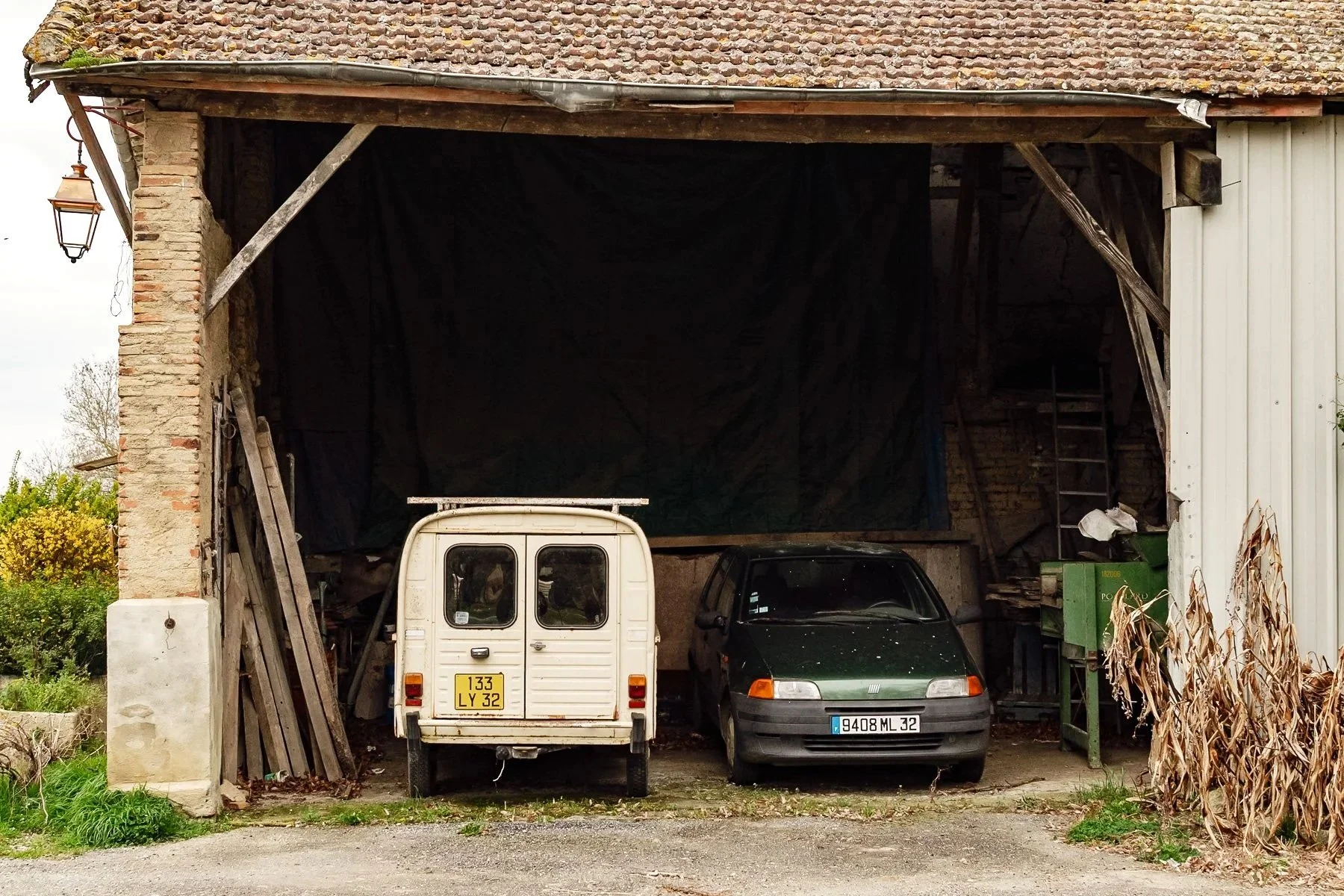
Gers
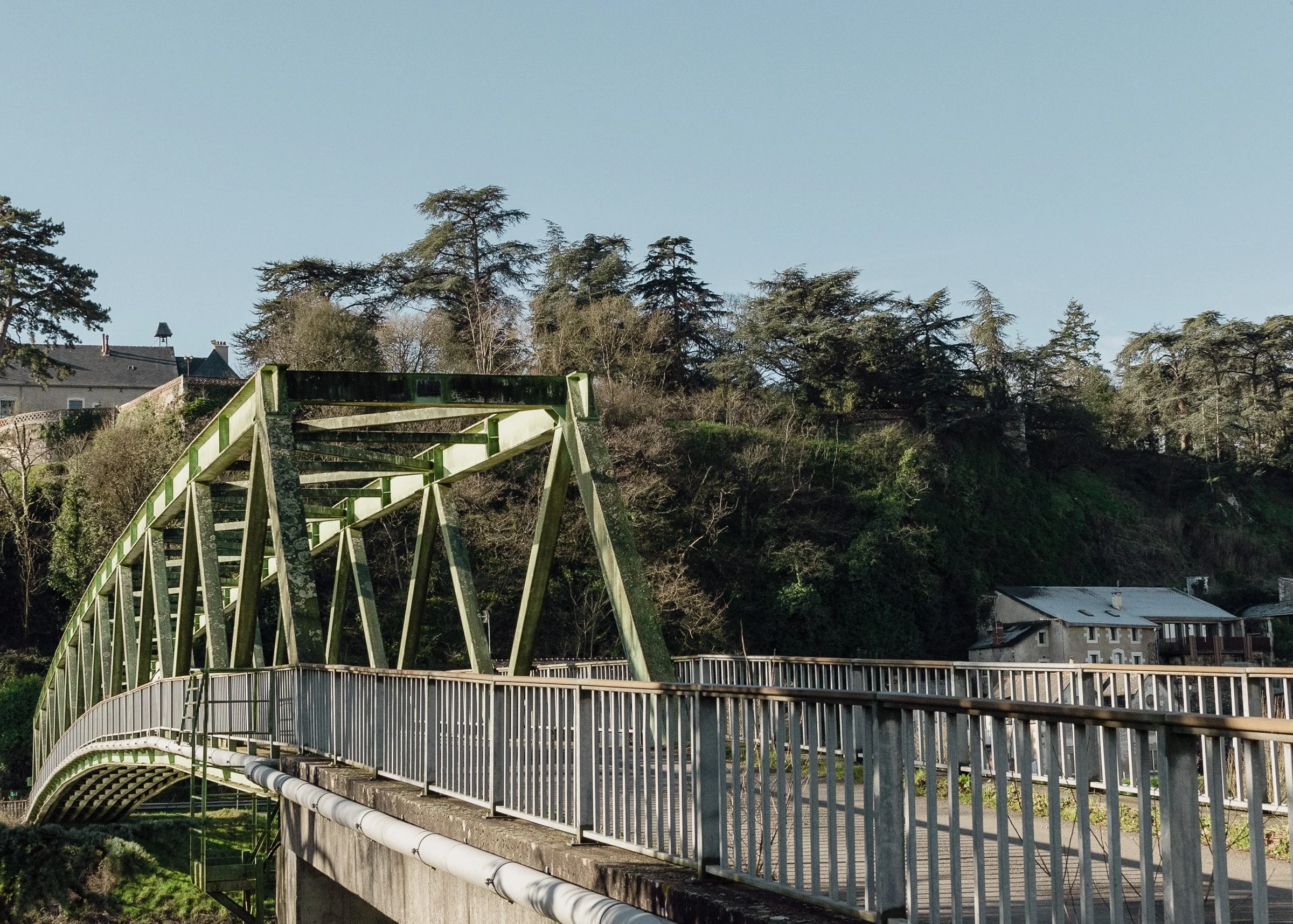
Maine-et-Loire
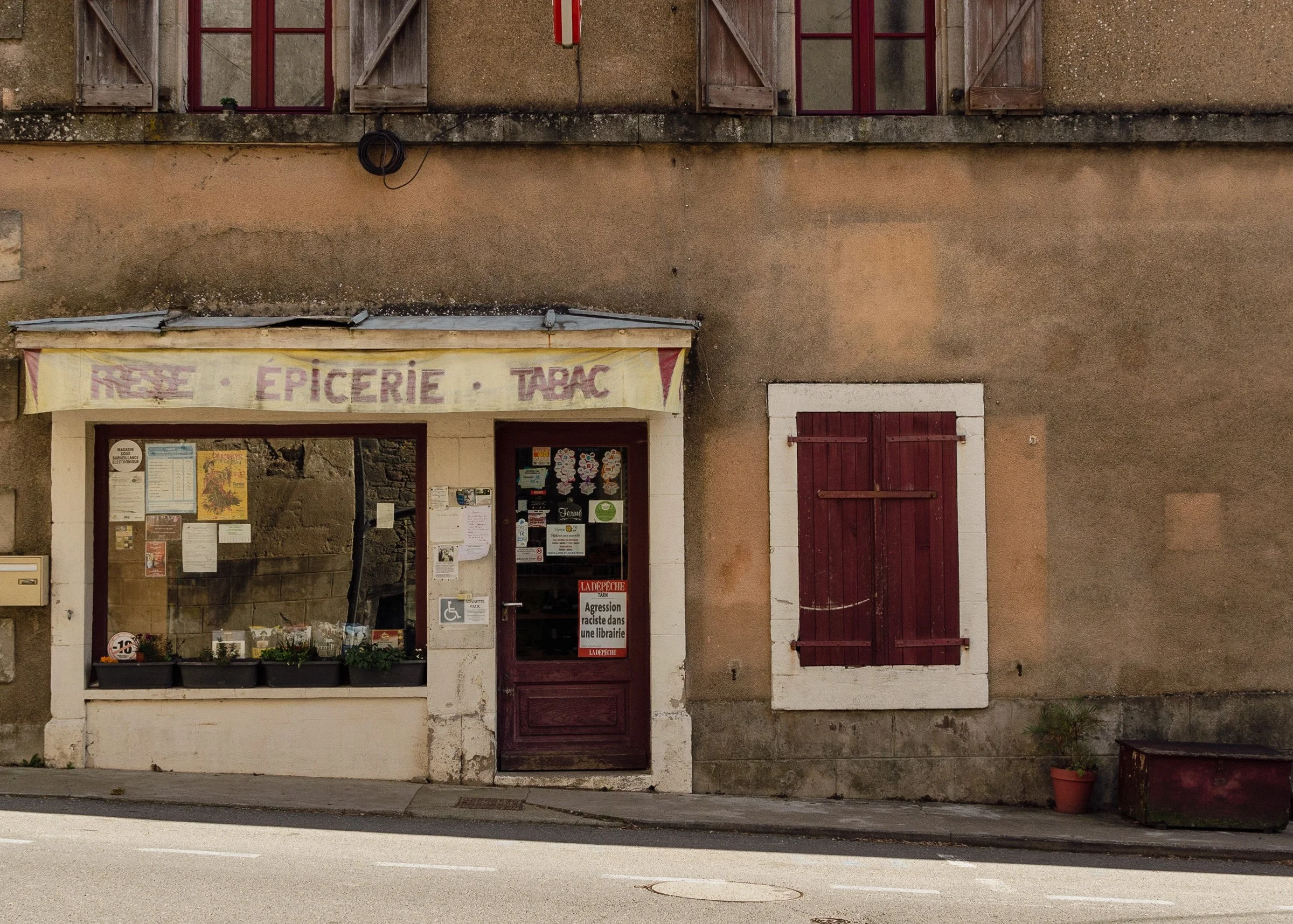
Tarn-et-Garonne
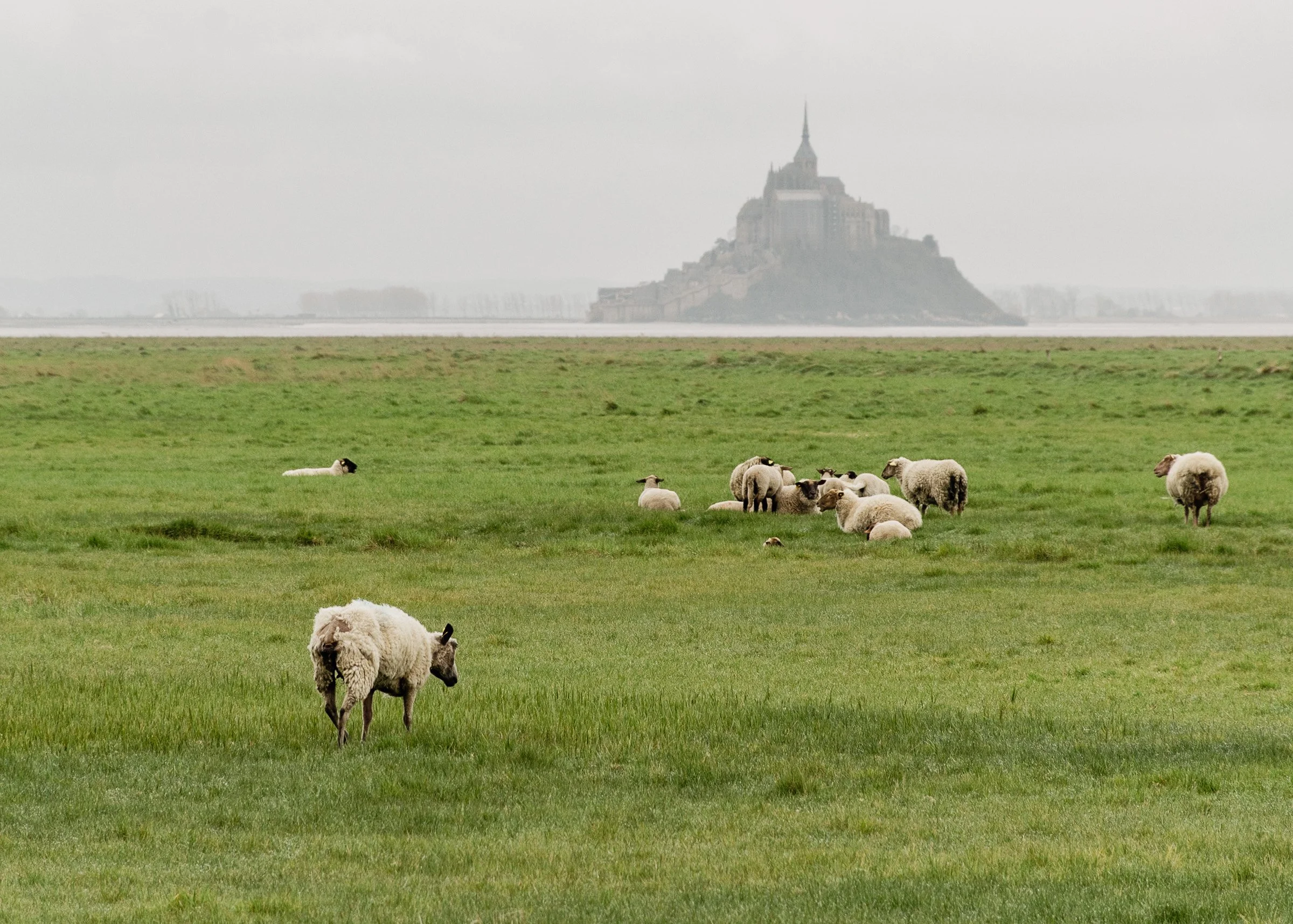
Manche

Côtes-d'Armor
Tarn

Maine-et-Loire
Charente
Loire-Atlantique
Morbihan
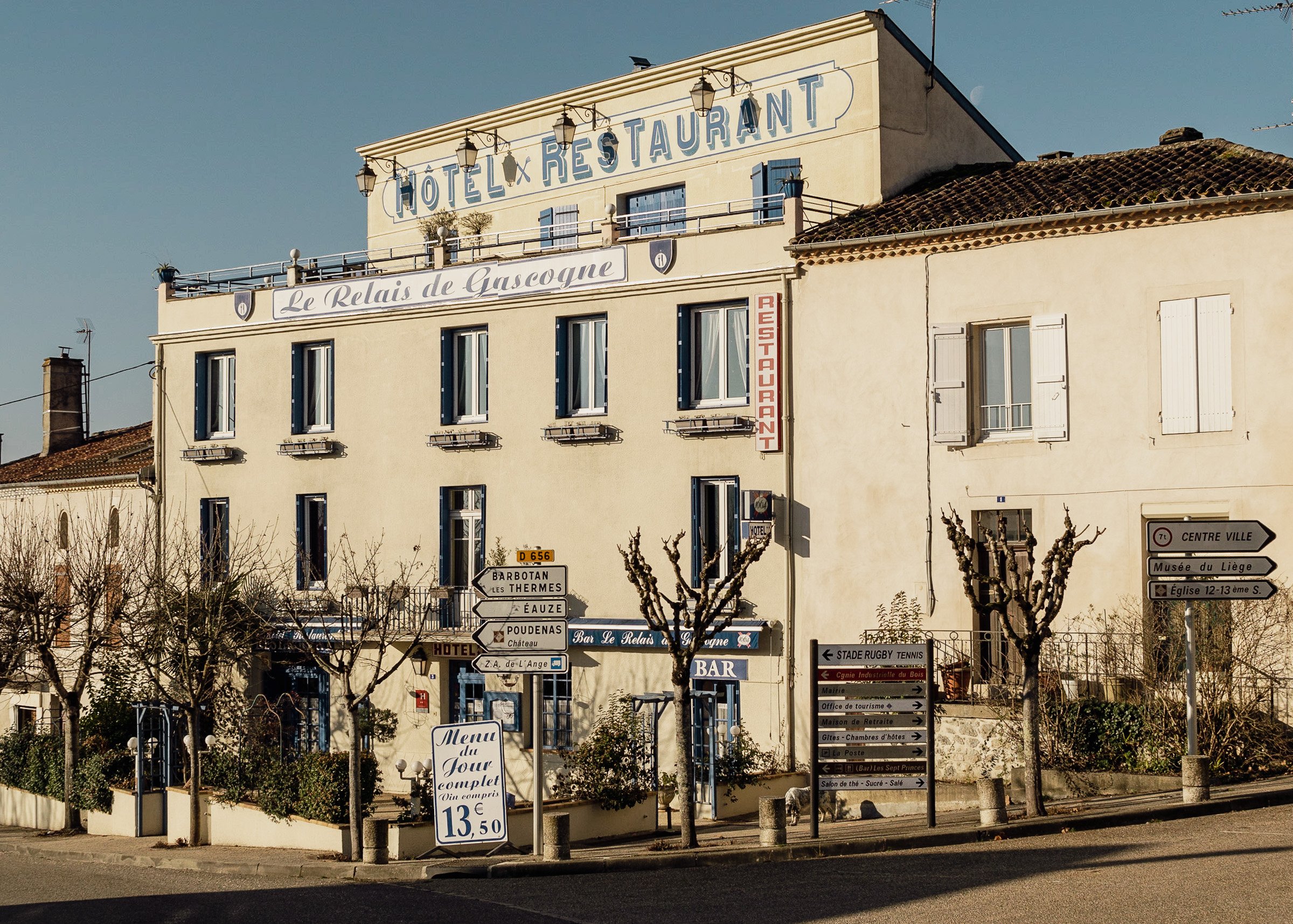
Lot-et-Garonne
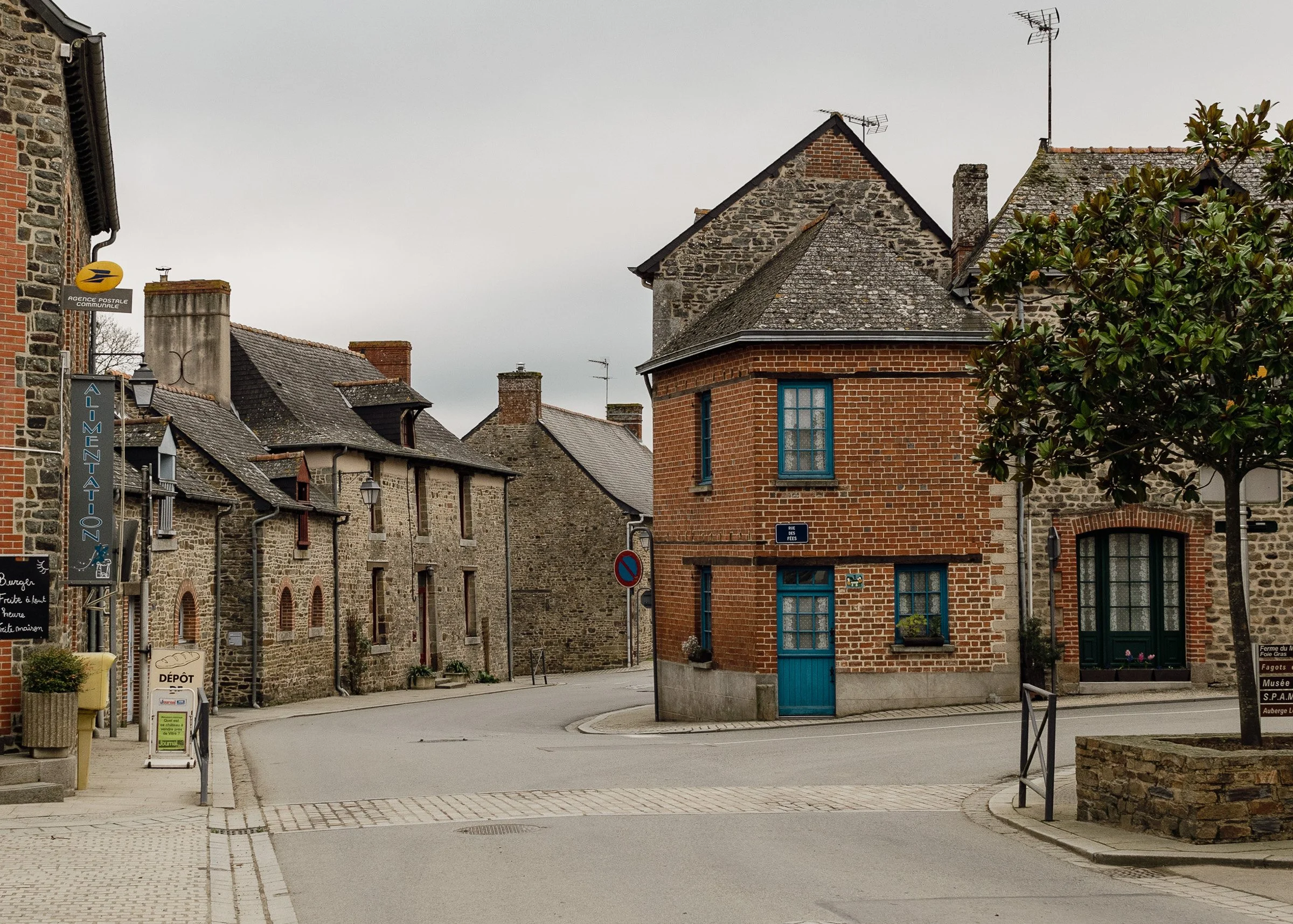
Ille-et-Vilaine
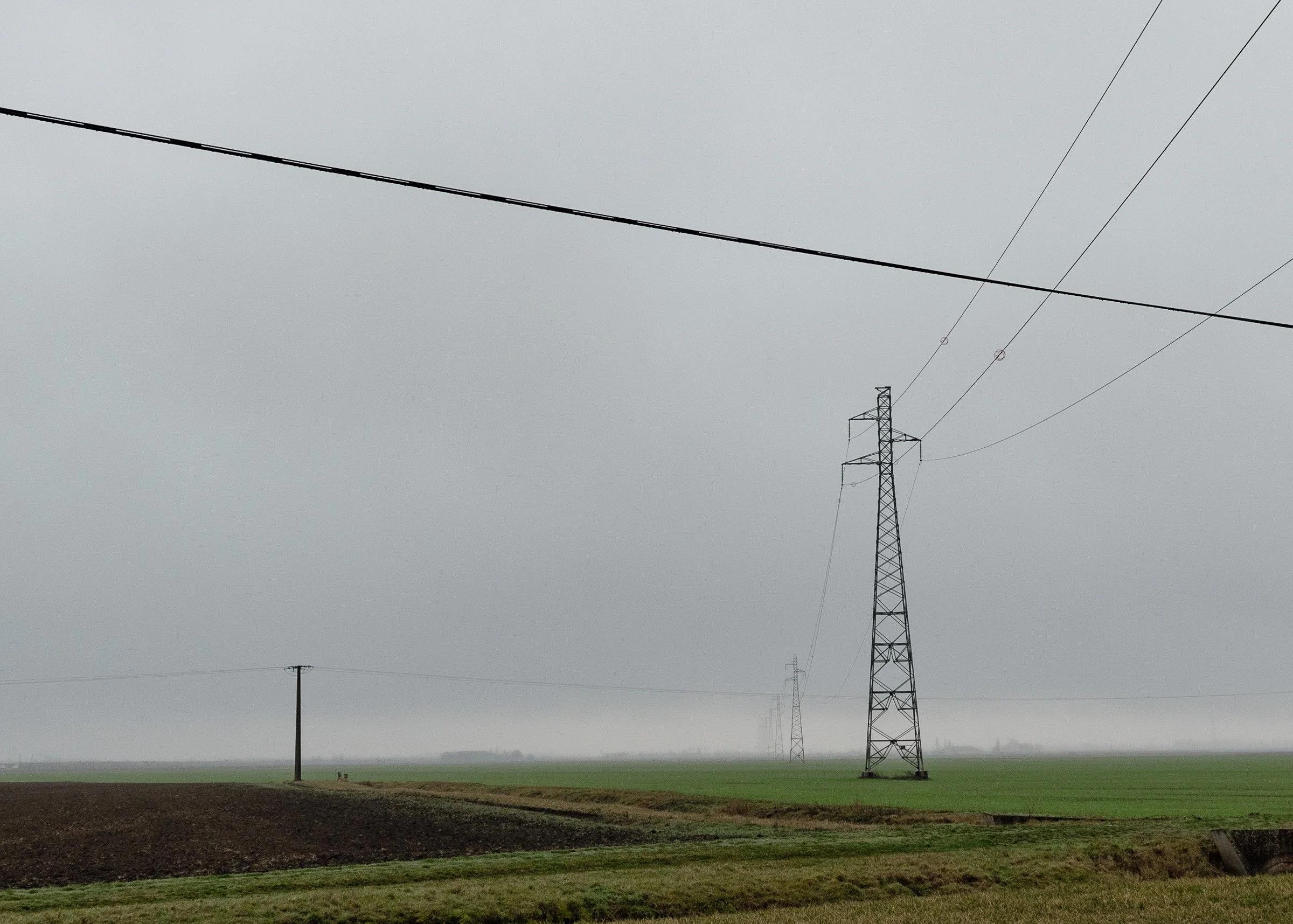
Vienne
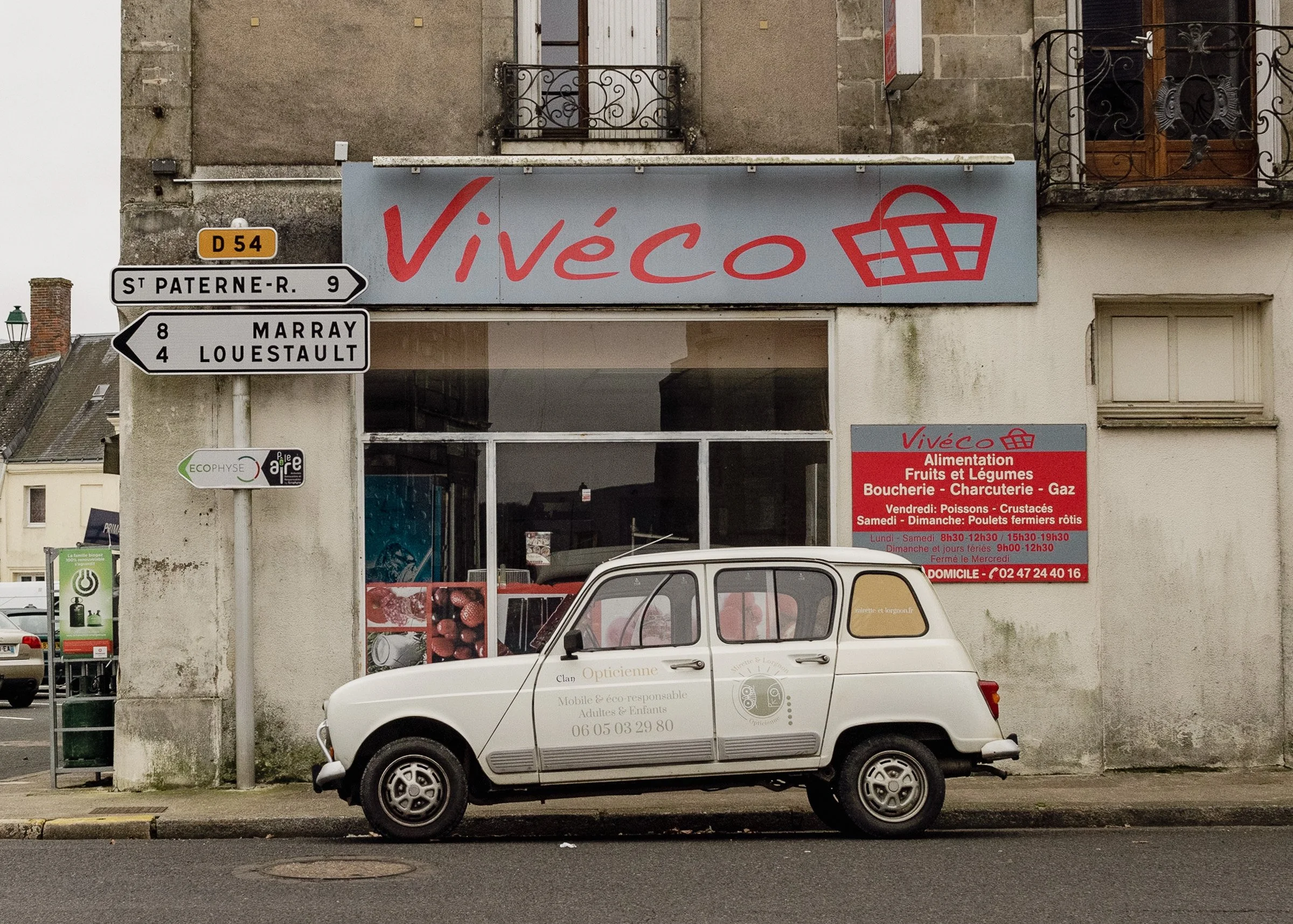
Sarthe
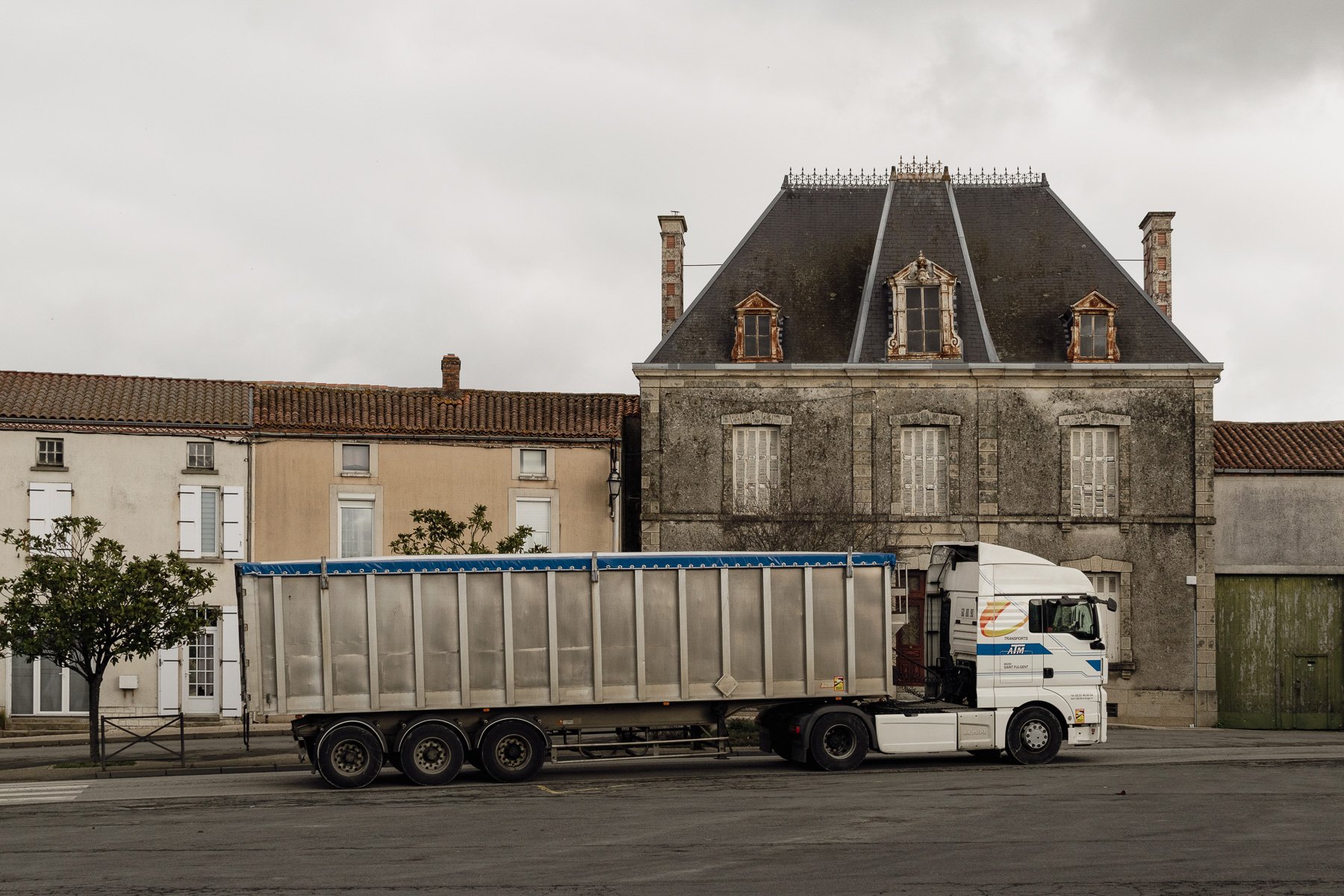
Deux-Sèvres
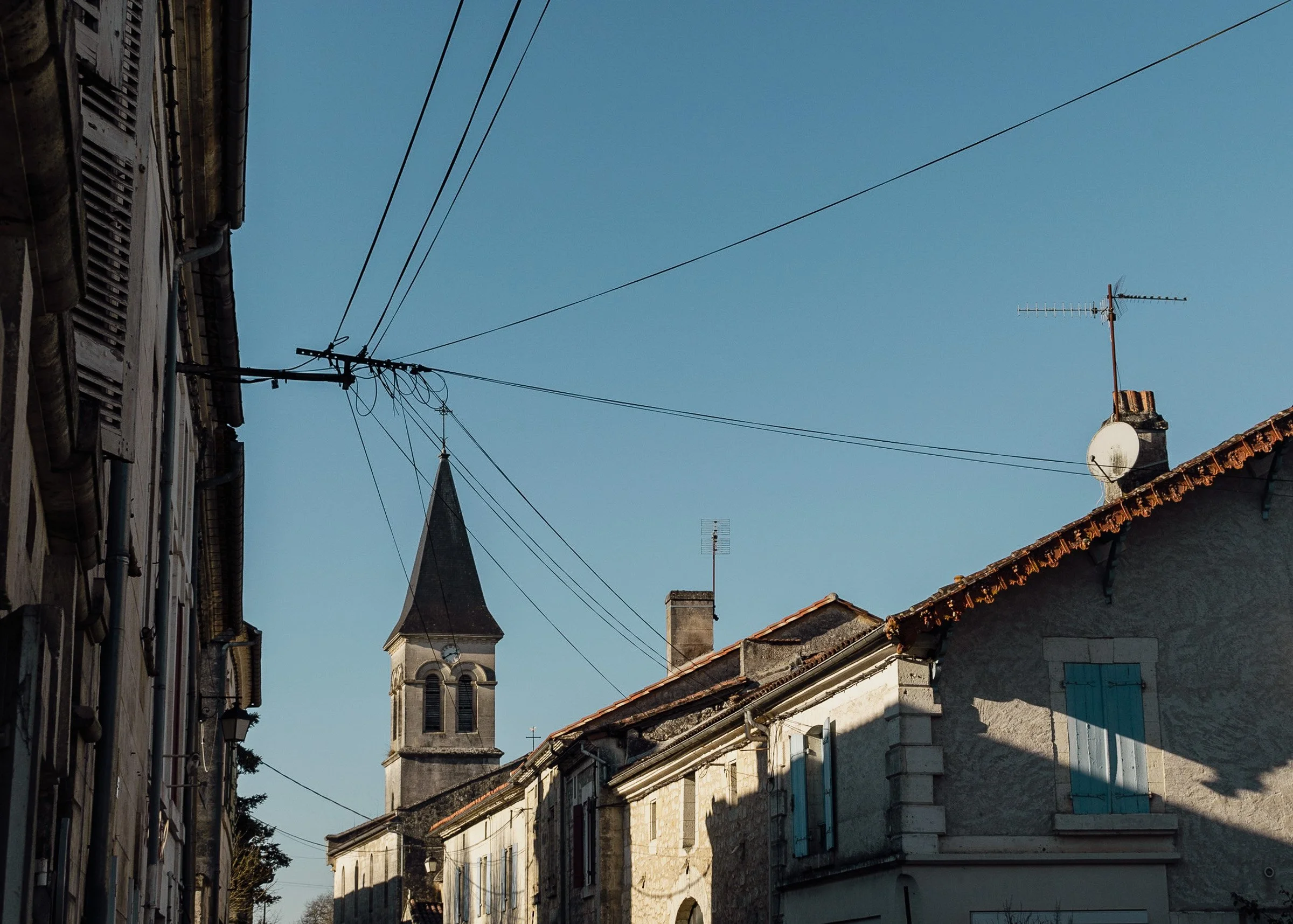
Indre-et-Loire
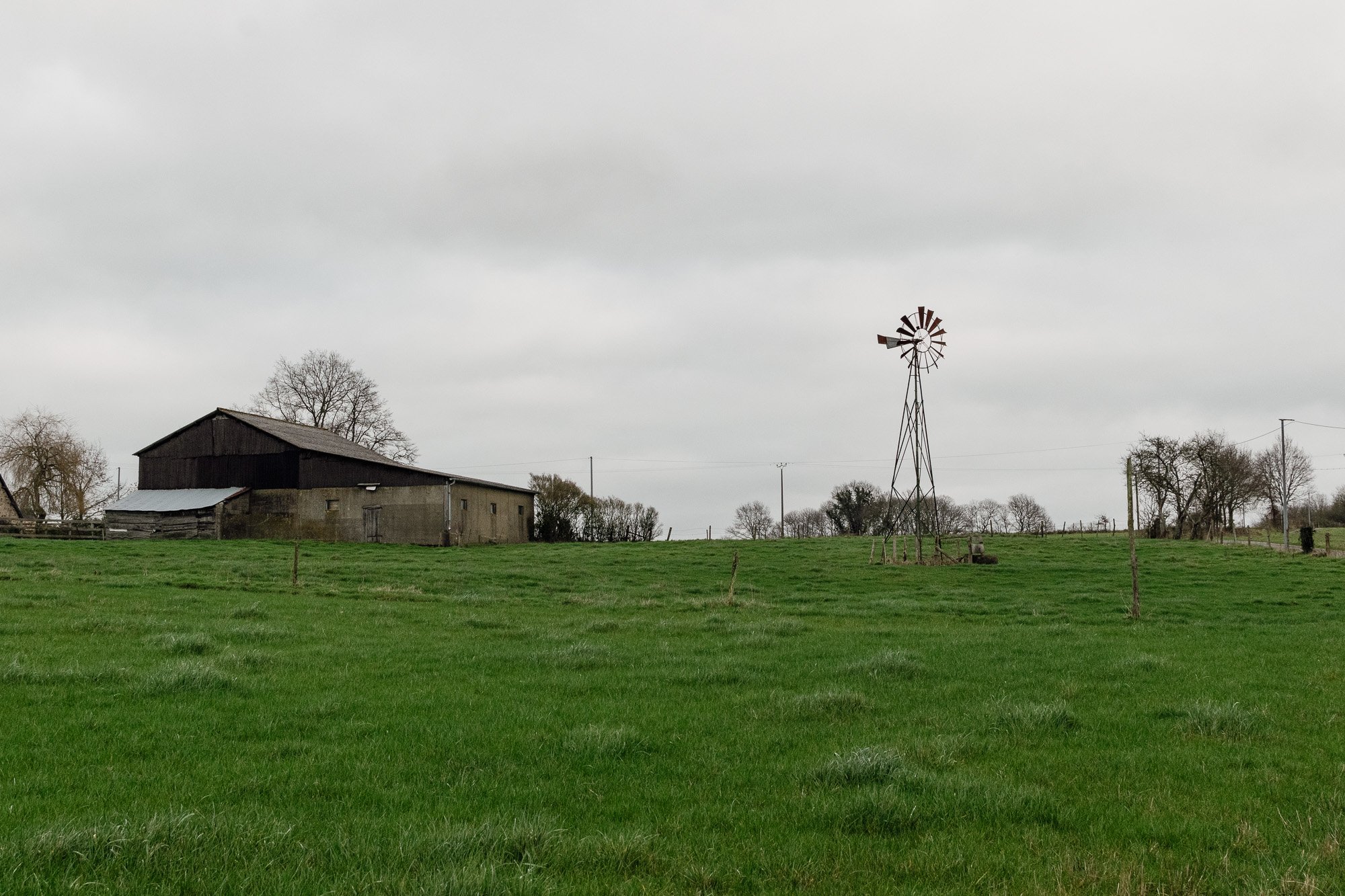
Mayenne
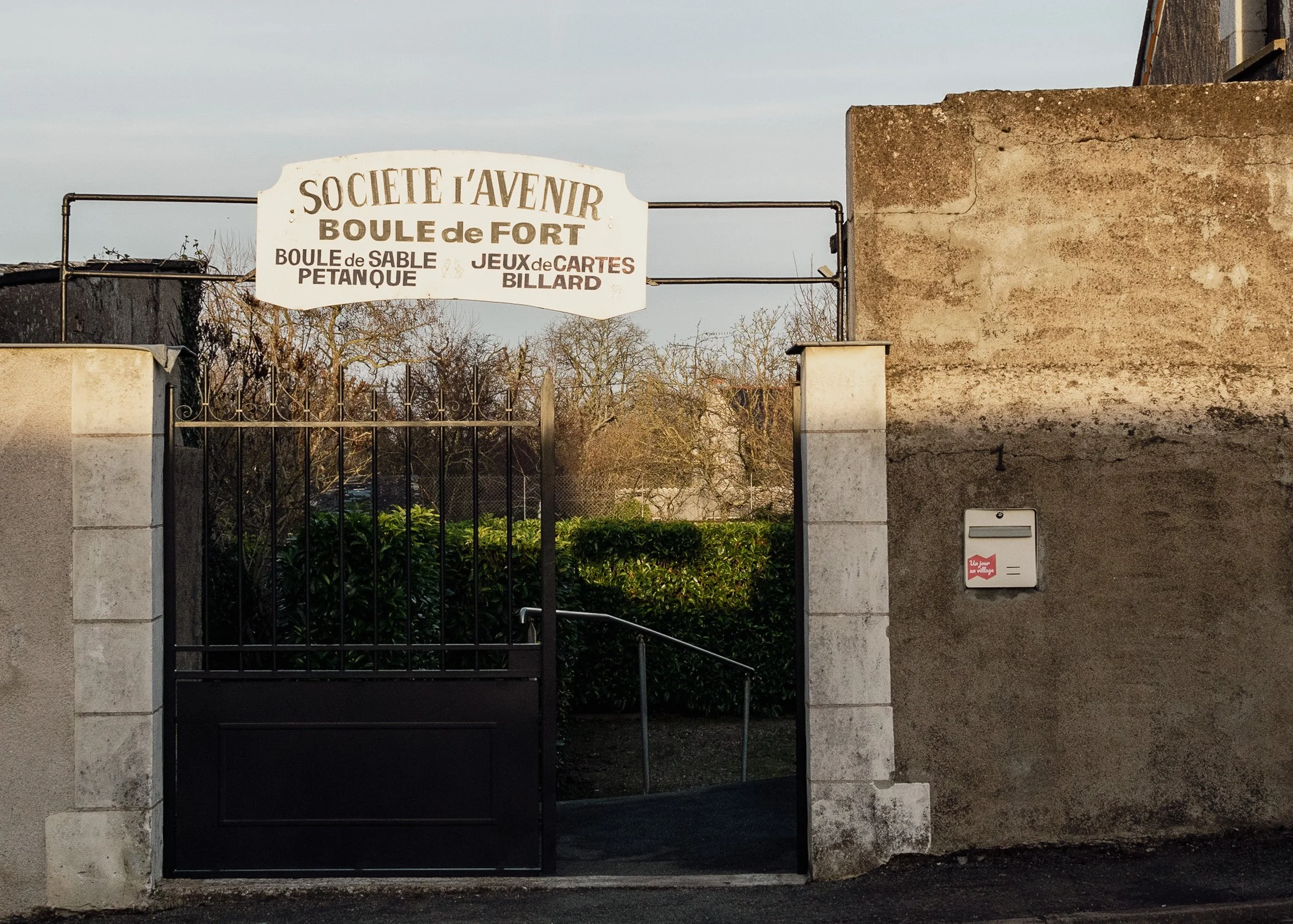
Maine-et-Loire
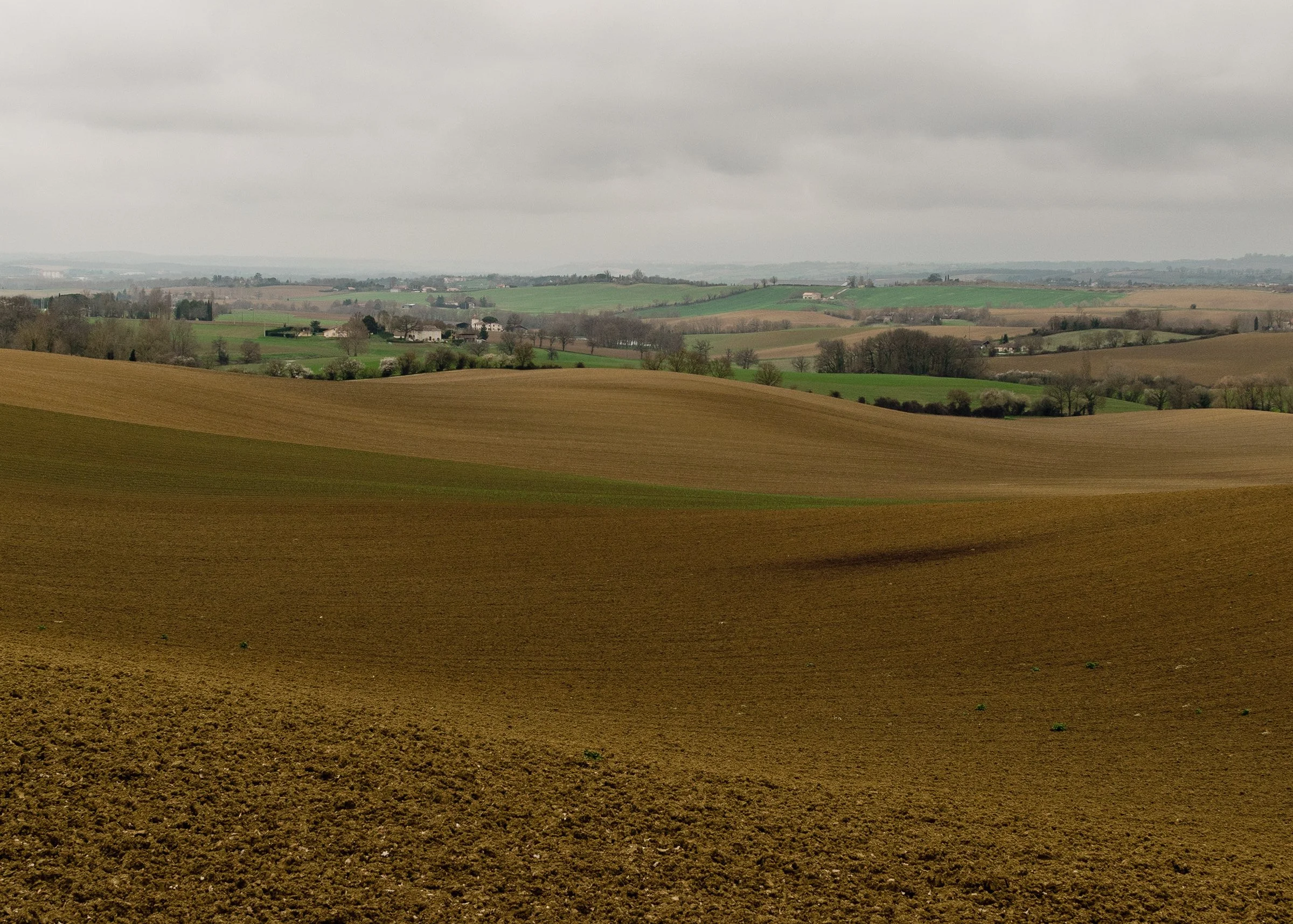
Hautes-Pyrénées
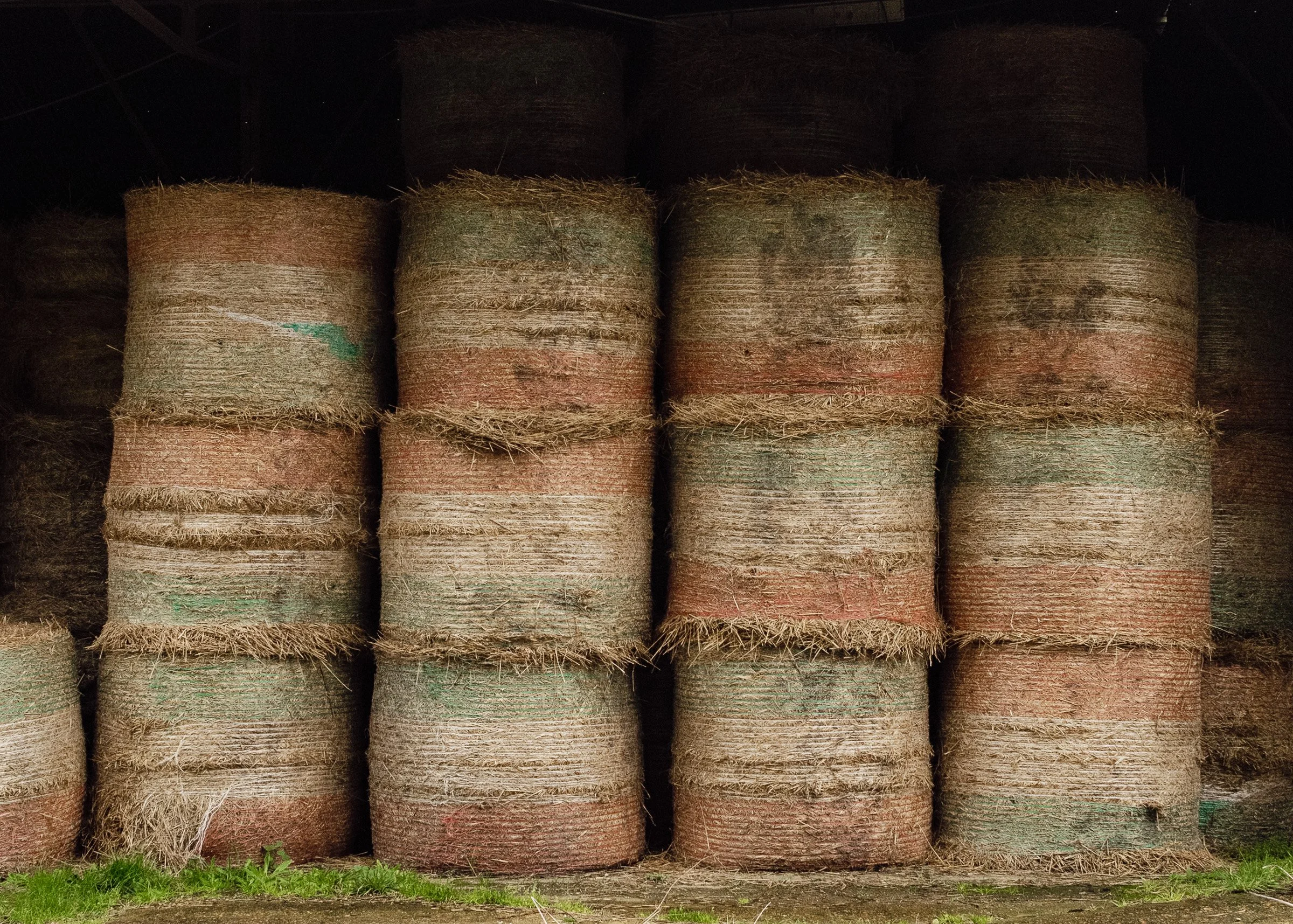
Sarthe
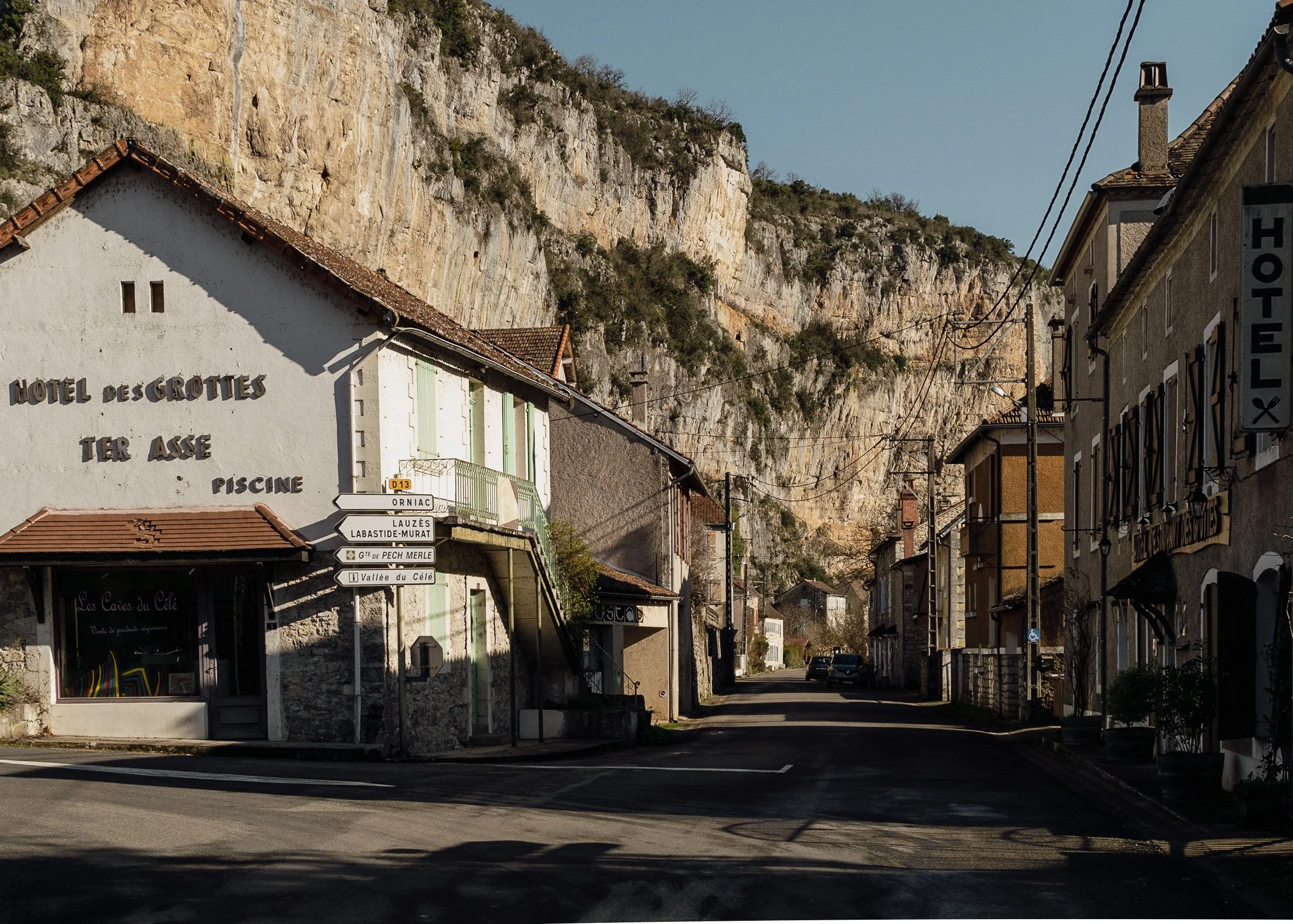
Lot
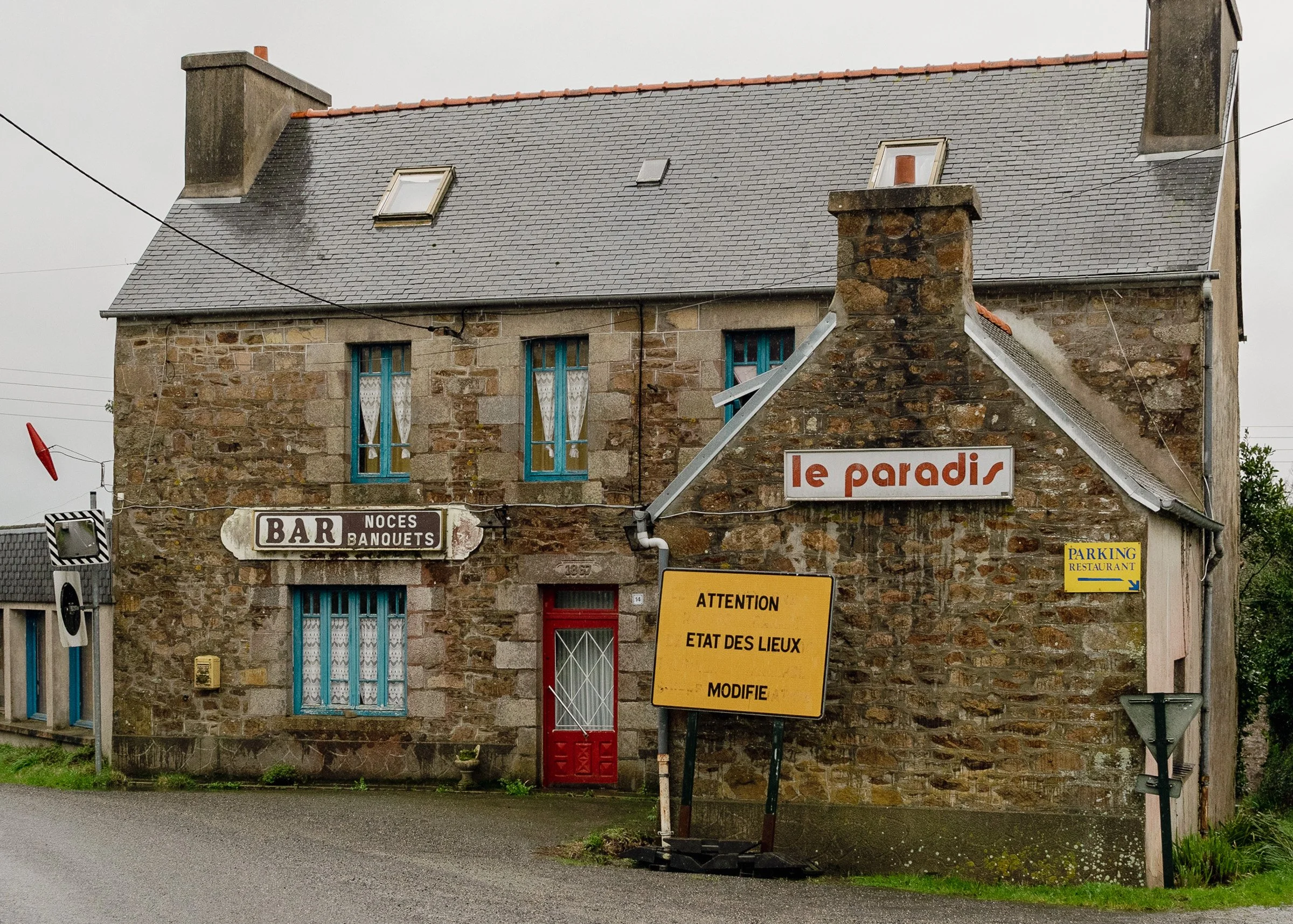
Côtes-d'Armor
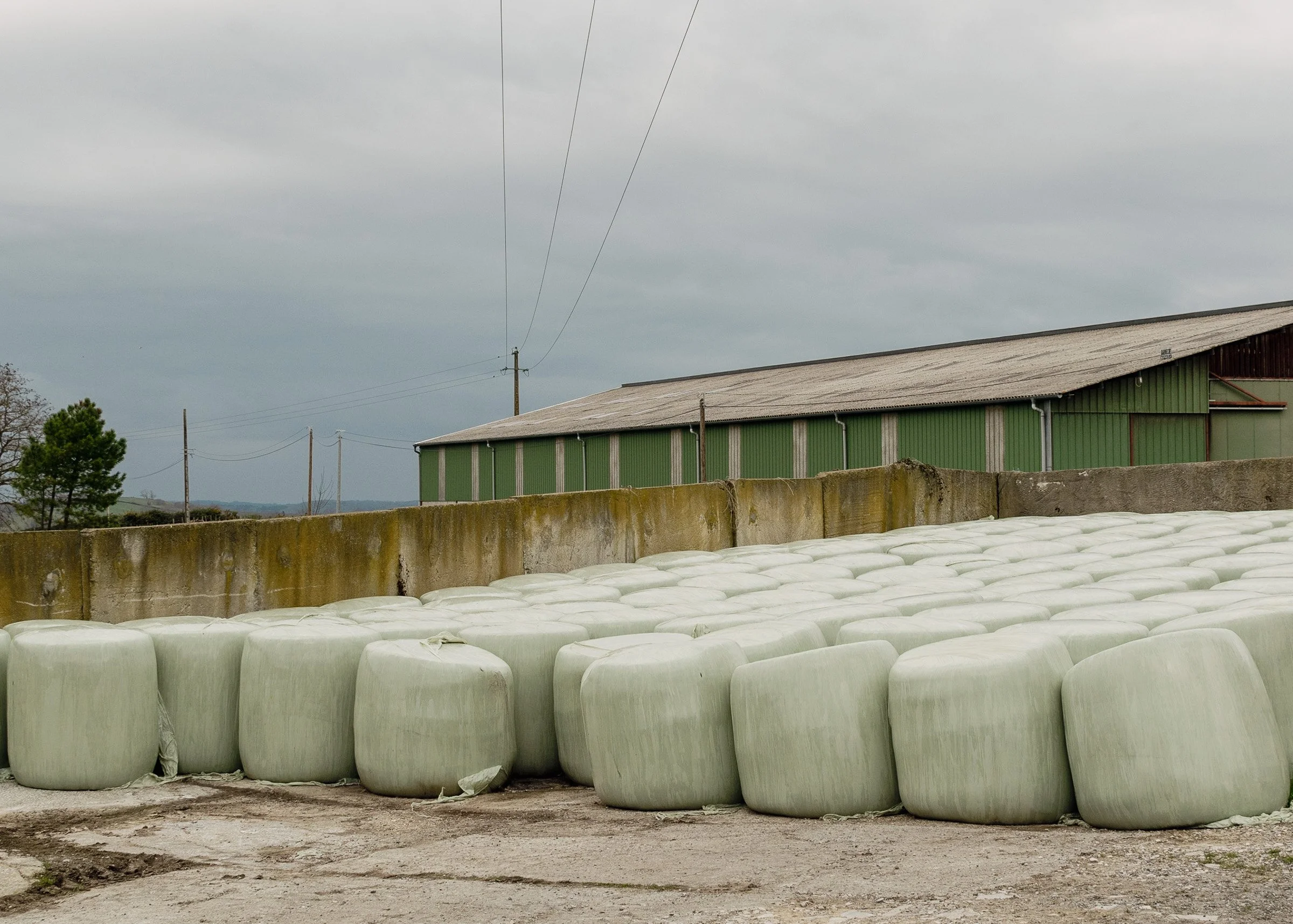
Vienne
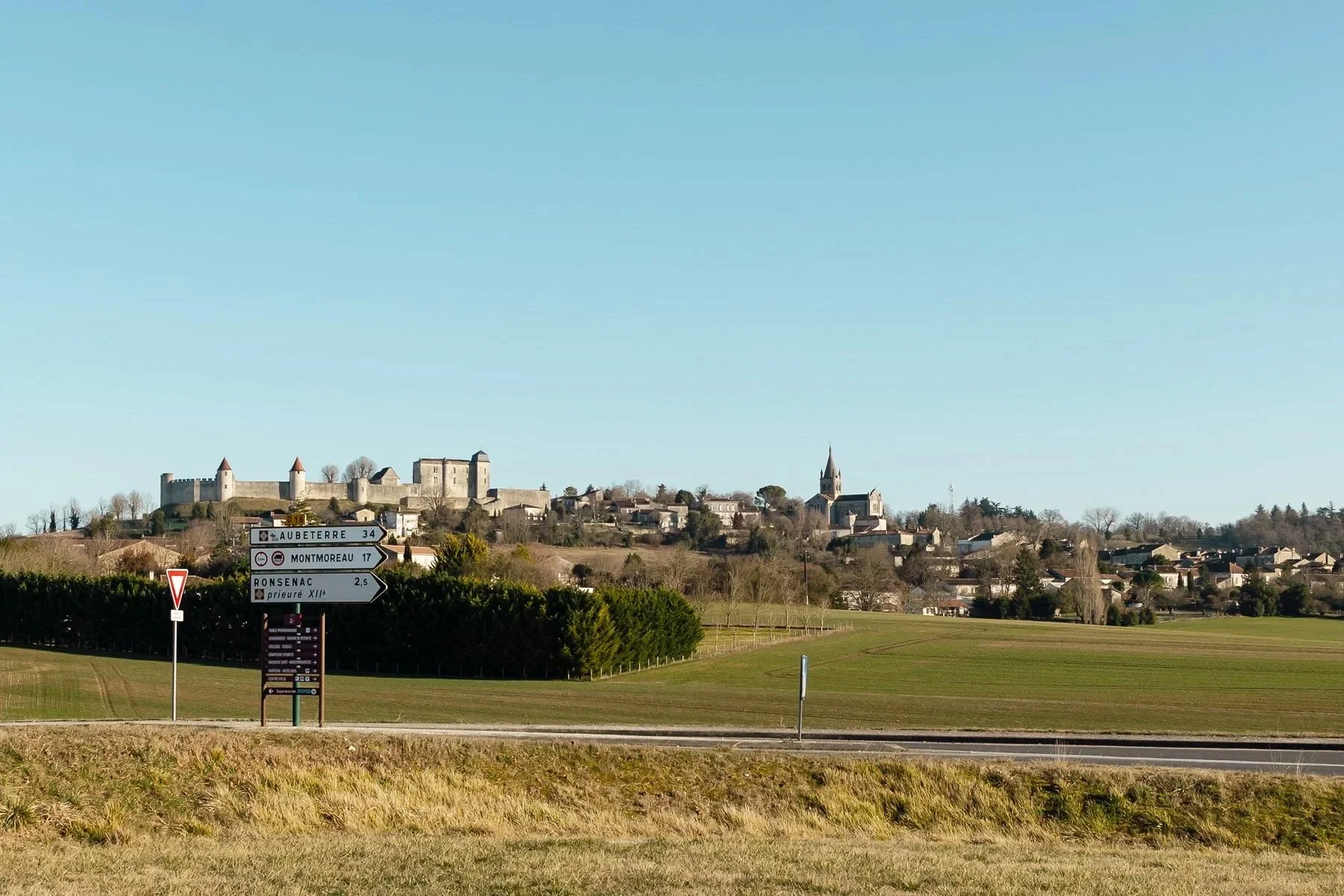
Charente
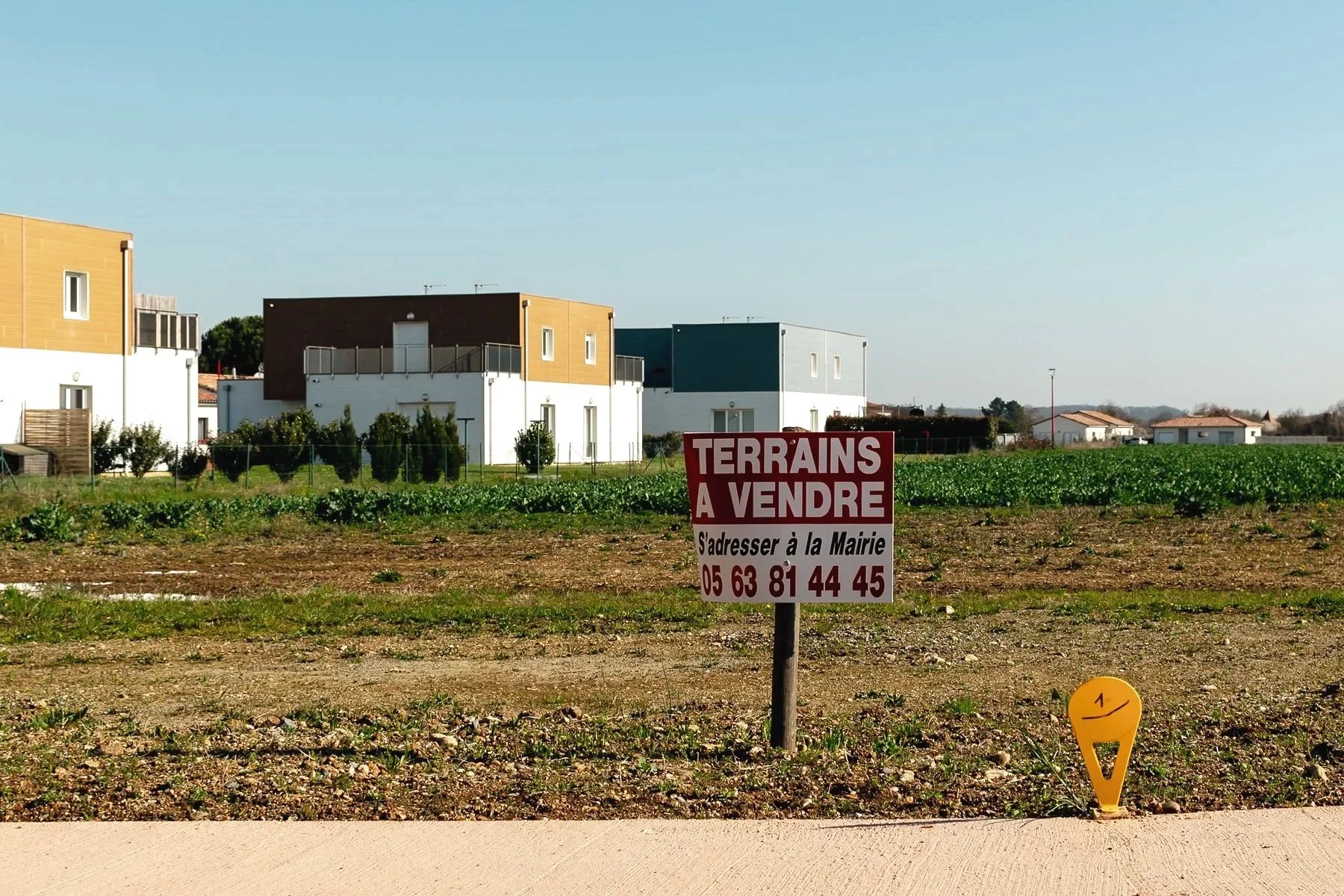
Tarn-et-Garonne
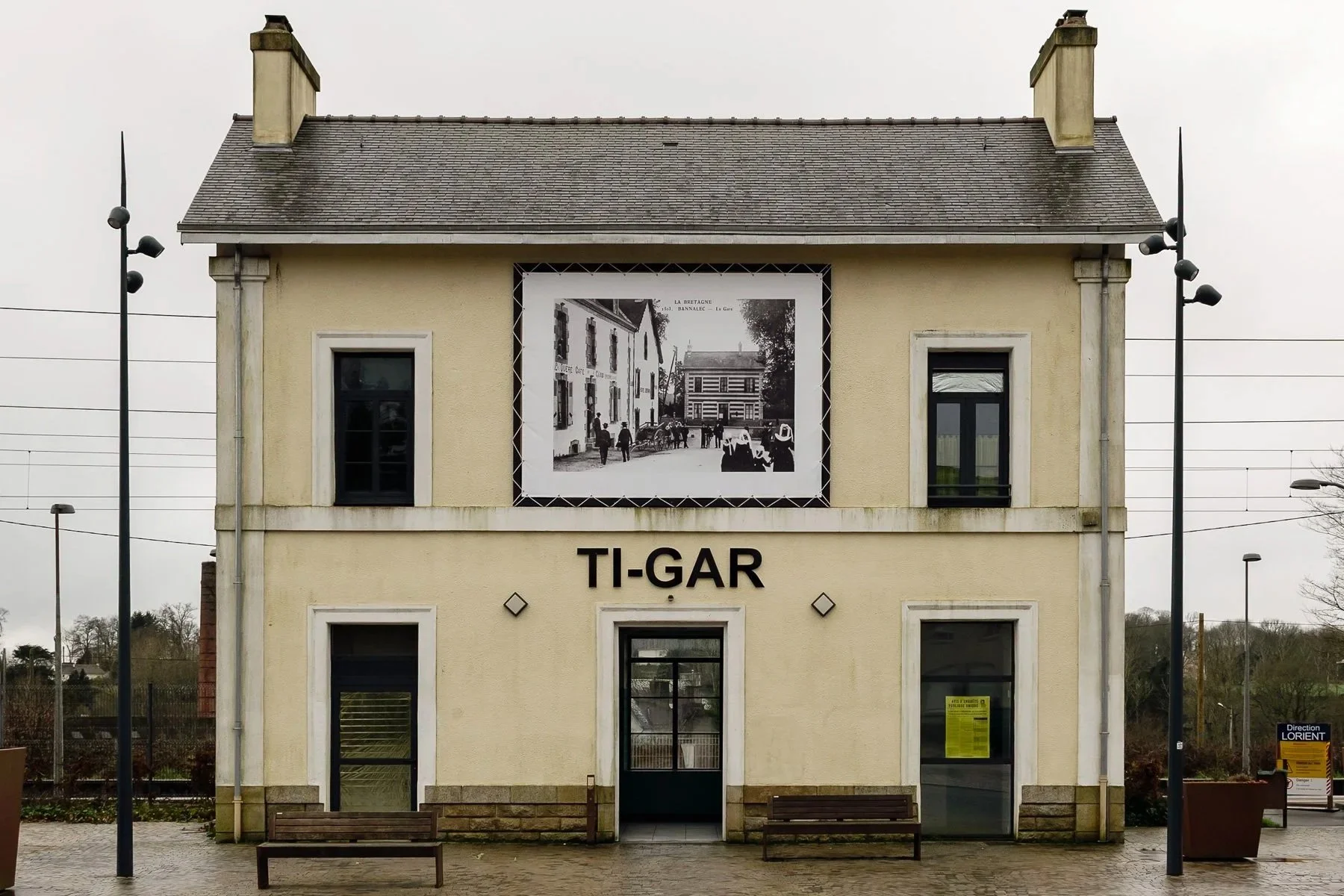
Finistère
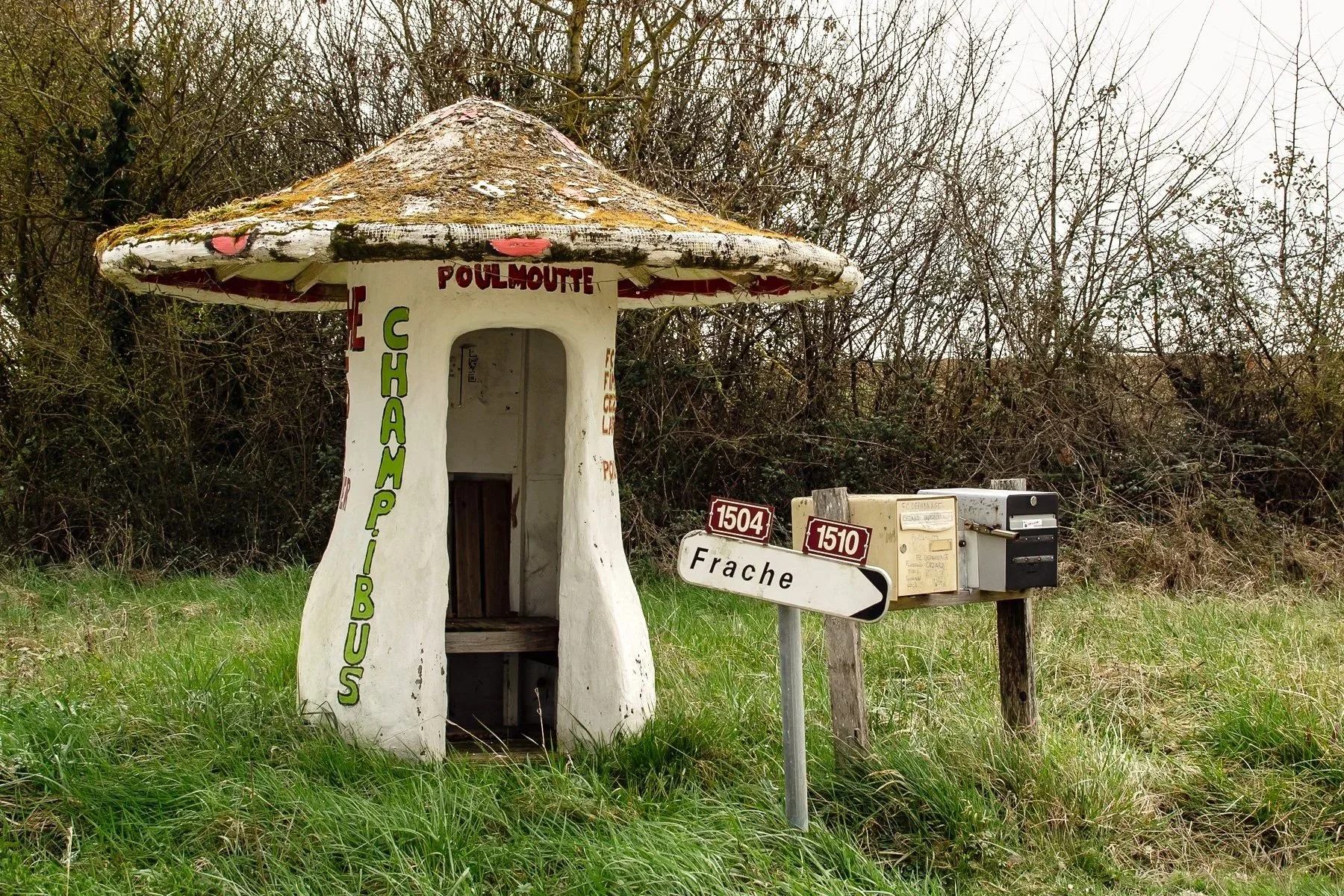
Tarn
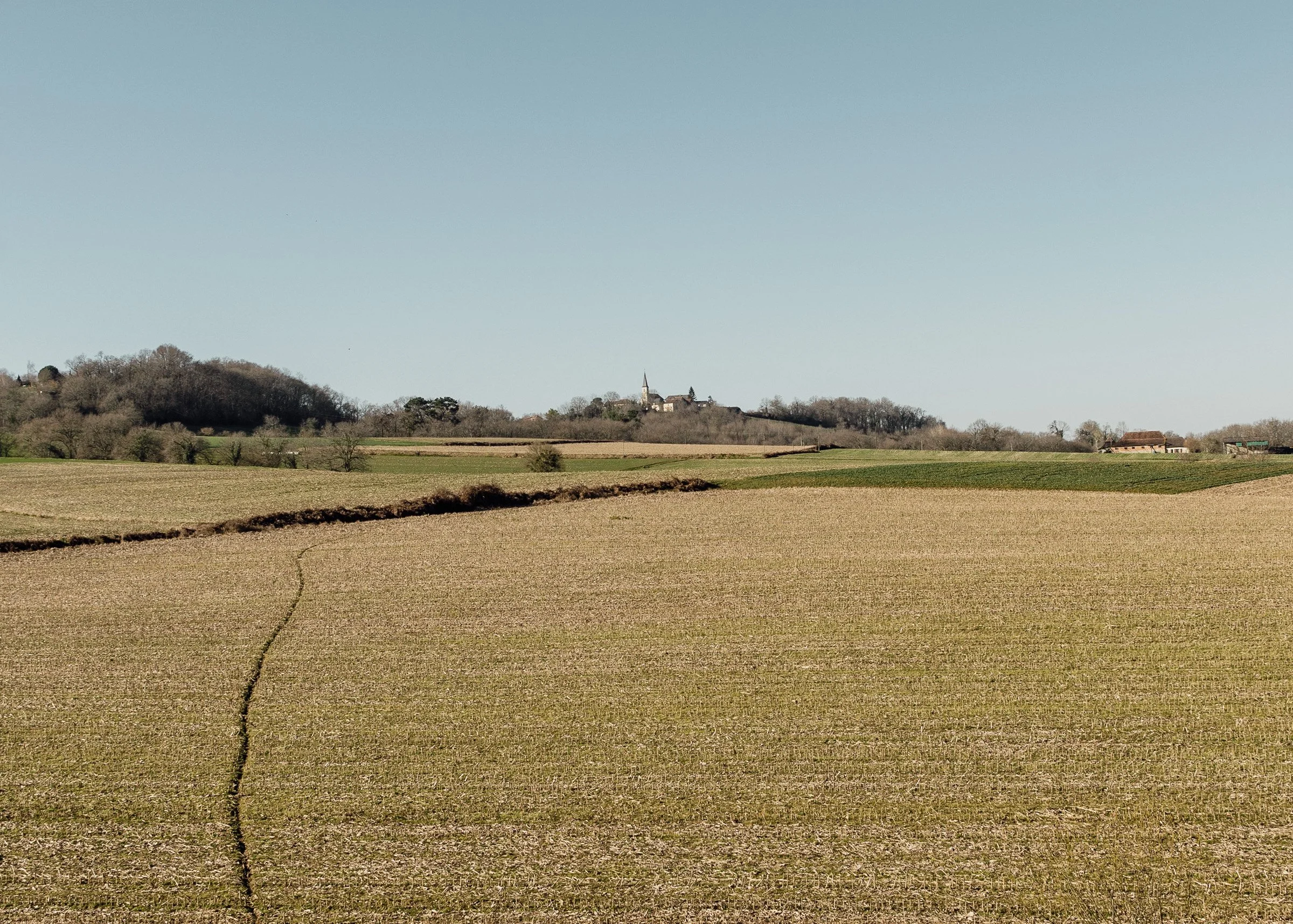
Gers
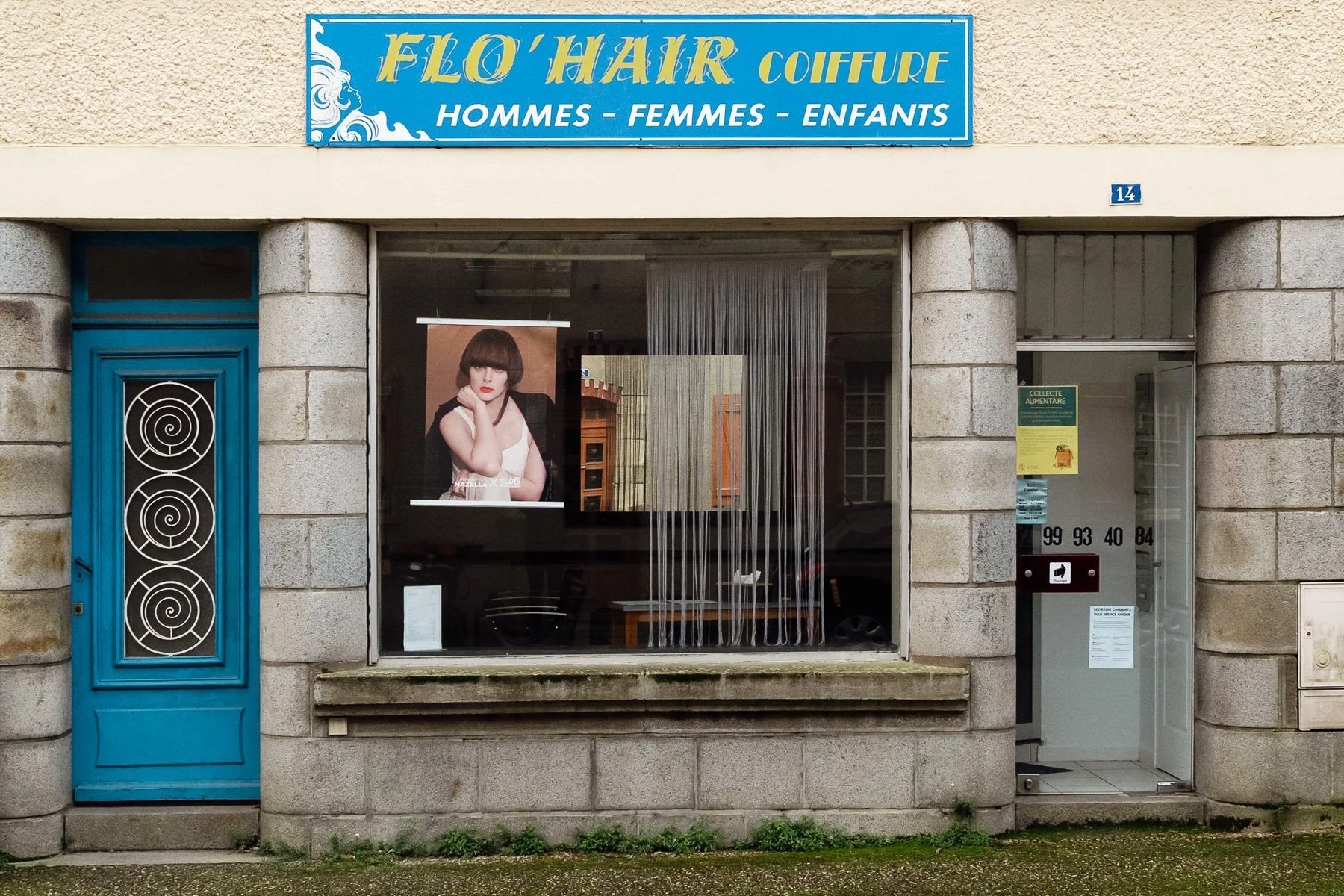
Ille-et-Vilaine
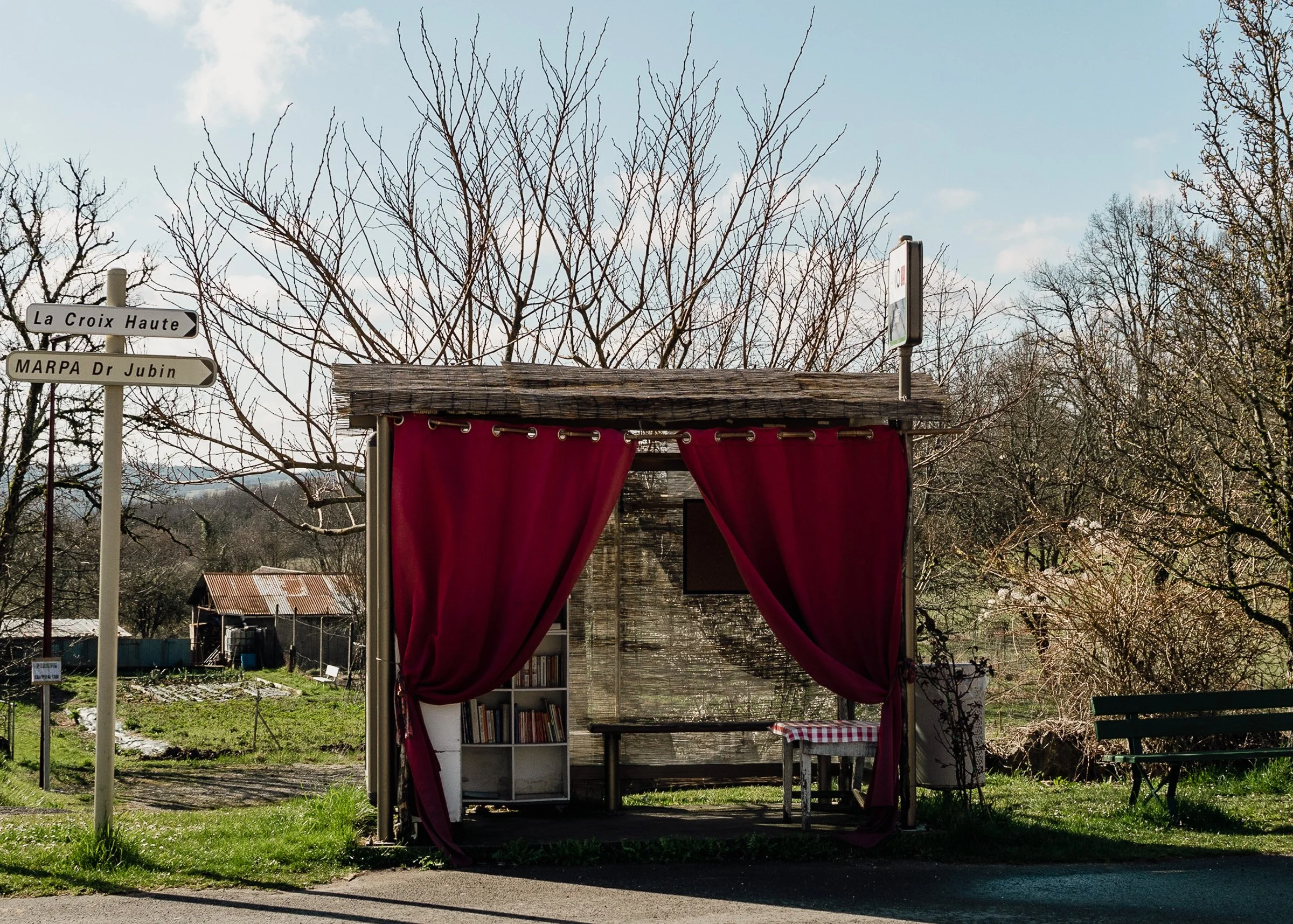
Lot